
Alain Juppé: French statesman, former prime minister and longtime mayor
Overview of Alain Juppé (born 1945), his education, key offices (prime minister 1995–1997), party roles, mayoralty of Bordeaux, ministerial posts, policy profile, controversies and later electoral bids.
Alain Marie Juppé (born 15 August 1945) is a French politician who has played a prominent role in France's center-right politics for decades. Trained as a senior civil servant, he became widely known as a close ally of President Jacques Chirac, served as Prime Minister of France from 1995 to 1997 and has held senior party and municipal offices. He is associated with the mainstream conservative tradition and has been a member of The Republicans (and its predecessor formations).
Image gallery
6 Images

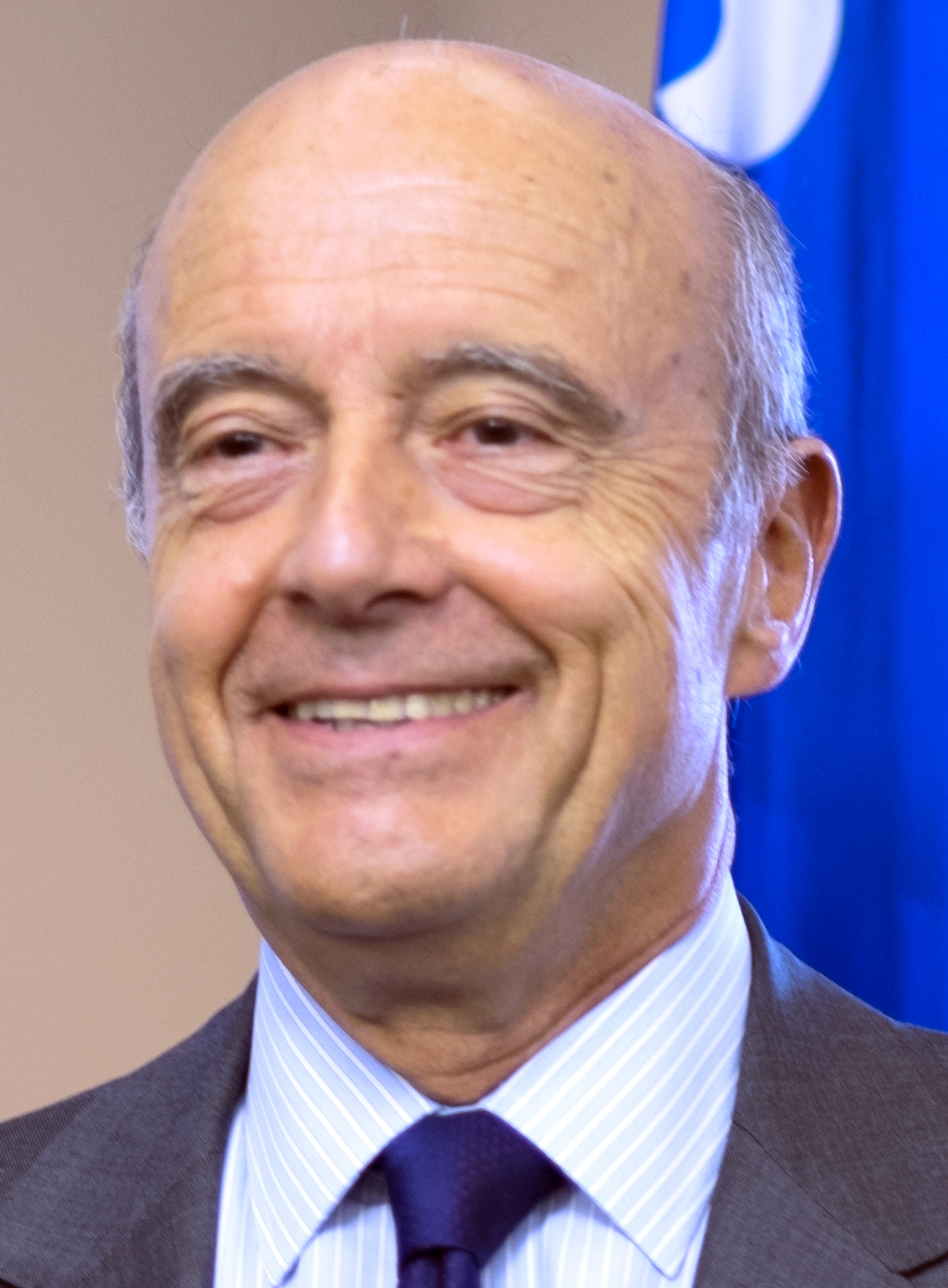


Early life and education
Juppé was born in Mont-de-Marsan in 1945. He attended France's elite public administration schools and completed studies at institutions commonly attended by senior officials, including the Institut d'études politiques de Paris (Sciences Po) and the École nationale d'administration (ENA). His training prepared him for a career alternating between senior civil service posts and politics; he served in government advisory roles before entering elected office.
Political career and offices
Over several decades Juppé held national, party and local responsibilities. His most visible appointments include:
- Prime Minister (1995–1997) under President Jacques Chirac, when his government pursued fiscal discipline and reforms aimed at reducing public deficits and reforming social protections.
- President of the party Union for a Popular Movement (UMP) from 2002 to 2004, overseeing organization and strategy for France's main center-right coalition at the time.
- Mayor of Bordeaux, a post that tied him to local urban renewal projects and civic modernization; he is often credited with initiatives that transformed Bordeaux's public transport and heritage-led regeneration mayor of Bordeaux.
- Ministerial roles in the early 2010s, serving as Minister of Defence and Veterans Affairs (2010–2011) and then as Minister of Foreign Affairs (2011–2012) in the governments of President Nicolas Sarkozy.
Policy profile and accomplishments
Juppé is commonly described as a pro-European, pragmatic conservative who advocated market-friendly reforms coupled with commitments to public order and social cohesion. His tenure as prime minister emphasized deficit reduction and structural reforms that sparked intense public debate. As mayor he supported urban projects, improved public transport and promoted Bordeaux's cultural attractions, policies that shaped the city's contemporary image.
Controversies and later career
His career was not without controversy. In 2004 Juppé was convicted in a case linked to the so-called "fictitious jobs" affair involving municipal staff; he received a suspended sentence and temporary loss of certain civil rights, a sanction that led him to step back from some positions before returning to public life. In the 2010s he resumed national roles and later sought his party's nomination for the presidency.
Electoral bids and party leadership
Juppé announced in 2015 his intention to enter the center-right primary for the 2017 presidential election, taking part in the first open primary of the right and centre. He advanced to the run-off after a strong showing in the first round of voting, but ultimately lost the nomination to François Fillon. The bid revived his profile as an experienced statesman and placed him among the leading figures of his political family.
Throughout a long public life, Juppé has been viewed both as an able administrator and a polarizing reformer. His combination of national government experience, party leadership—first in the Union for a Popular Movement and later affiliations with The Republicans—and municipal achievements in Bordeaux mark him as a significant figure in contemporary French politics. He has continued to be consulted on matters of public policy and remains a reference point in debates about the future direction of the center-right. For more on his later political positioning and campaign details, see material related to his 2015 announcement of a party primary candidacy and subsequent participation in the 2016–2017 selection process.
Further reading and archival sources are available via party and government records as well as municipal documentation from Bordeaux and national archives that track his ministerial responsibilities and public statements. For concise summaries of offices he held and the timeline of his service, refer to official biographies and contemporary press coverage.
Related articles
Author
AlegsaOnline.com Alain Juppé: French statesman, former prime minister and longtime mayor Leandro Alegsa
URL: https://en.alegsaonline.com/art/113458