
Agnetha Fältskog: Swedish singer, songwriter and former ABBA member
Agnetha Fältskog (born 1950) is a Swedish singer and songwriter who achieved national success in the 1960s and international fame as a lead vocalist of ABBA. She later pursued solo work and occasional returns to recording.
Agnetha Åse Fältskog (born 5 April 1950) is a Swedish singer, songwriter and musician who rose from solo success in Sweden to international prominence as one of the lead vocalists of the pop group ABBA. Her career began with a self-titled debut album in 1968 and developed through the 1970s when ABBA's victory at the 1974 Eurovision Song Contest propelled the group onto the global stage. She remains one of the best-known voices from that era and a central figure in modern Swedish popular music.
Image gallery
10 Images


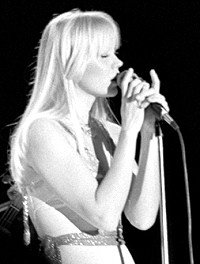
Early career and rise
Fältskog first achieved attention as a teenage singer-songwriter in her native region, writing and recording songs in Swedish that showcased a clear, melodic soprano and a knack for pop craft. Her early records established her as a household name in Sweden and led to collaborations that eventually fed into the international project that became ABBA. During these formative years she honed both performance and studio skills that would serve her through later commercial success.
ABBA years and international success
As a member of ABBA, Fältskog contributed distinctive lead and harmony vocals on many of the group's most famous recordings. The ensemble combined polished production, memorable melodies and theatrical presentation to reach audiences worldwide. Fältskog's voice was often singled out for its crystalline tone and emotional directness on ballads as well as upbeat tracks. ABBA's catalogue and cultural impact grew through the 1970s into the early 1980s, making each member, including Fältskog, internationally recognized.
Solo work, hiatus and comebacks
After ABBA disbanded, Fältskog pursued a solo career with several albums in the 1980s that met with commercial and critical attention in Europe. Following an extended period away from recording and public life she returned with a studio album in 2004 and later projects that reaffirmed her vocal strengths while reflecting a more private artistic approach. She has at times avoided the spotlight, choosing selective interviews and performances rather than continuous media exposure.
Style, influence and notable facts
Fältskog is known for a bright, lyrical soprano timbre, intimate interpretive phrasing and an ability to convey vulnerability in ballads as well as clarity in uptempo songs. Her early songwriting in Swedish and later English-language recordings helped bridge national and international pop traditions. Beyond music she has been associated with occasional acting and published work, and her career is frequently cited when discussing the internationalisation of Swedish pop music.
Key phases and legacy
- 1960s: national breakthrough with Swedish-language recordings.
- 1970s–early 1980s: global fame as ABBA lead vocalist.
- 1980s: solo artist with European success.
- 2000s onward: selective returns to recording and renewed critical appreciation.
Fältskog's contribution to popular music is often framed by both the enduring popularity of ABBA's songs and her recognizable solo performances, which continue to attract listeners and scholarly interest in the history of contemporary pop. For further reading on Sweden's musical export and ABBA's place in pop history see entries on Swedish music and the wider pop genre.
Related articles
Author
AlegsaOnline.com Agnetha Fältskog: Swedish singer, songwriter and former ABBA member Leandro Alegsa
URL: https://en.alegsaonline.com/art/113384
Sources
- books.google.com : Disco, Punk, New Wave, Heavy Metal, and More: Music in the 1970s and 1980s
- express.co.uk : Will reclusive Abba star Agnetha Faltskog agree to a £20m comeback?
- theguardian.com : Abba's Agnetha Fältskog is causing a stir – with her first album in nine years