
Agostinho Neto: Angolan physician, poet, and first president
Overview of António Agostinho Neto (1922–1979), his role in Angola's independence, leadership of the MPLA, literary work, political orientation, and legacy.
António Agostinho Neto (1922–1979) was a central figure in Angola's 20th-century history: a trained physician, an influential poet, and the inaugural president of independent Angola. He led the Popular Movement for the Liberation of Angola (MPLA) during the struggle against Portuguese colonial rule and became head of state when Angola declared independence in 1975. His life combined political activism and cultural production, and he remains a widely recognized symbol in modern Angolan memory.
Image gallery
6 Images



Early life, professions, and public roles
Neto trained in medicine and practiced as a physician before entering full-time political activity. He was widely regarded as both a political leader and an intellectual, using poetry and public speeches to articulate anti-colonial ideas and national aspirations. His dual identity as a doctor and a writer informed his public image and helped him connect with a broad constituency.
Political leadership and the independence movement
Neto rose to prominence as a leader of the political organisation the MPLA, which became one of the principal movements resisting colonial rule. Under his leadership the MPLA fought for Angolan self-determination during a prolonged anti-colonial conflict. When the Portuguese Estado Novo regime collapsed and colonial ties were severed, the MPLA declared the independence of Angola on 11 November 1975, and Neto assumed the presidency.
Politics, international alignments and the civil war
After independence the Angolan state quickly became entangled in Cold War dynamics and internal rivalry. The new government adopted socialist-oriented policies and cultivated alliances with countries that supported anti-colonial and leftist movements. Foreign military and diplomatic support to rival groups contributed to a multi-sided civil war that shaped Angola's early post-independence decades.
Literary work and cultural influence
Neto was also a respected poet whose writing addressed colonial oppression, national dignity, and the personal costs of political struggle. His verse is often noted for blending political urgency with emotional reflection, and it played a role in mobilizing popular sentiment for independence. His literary reputation endures across Lusophone Africa and in studies of anti-colonial literature.
Legacy and death
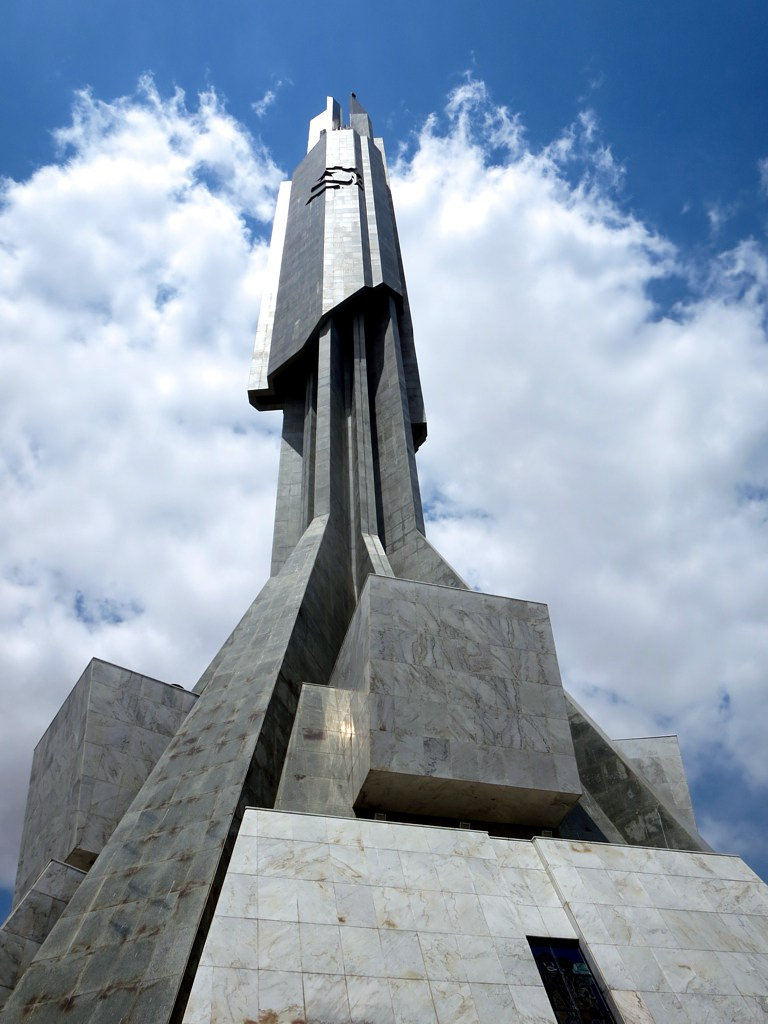
Neto died of illness in 1979 while receiving treatment abroad; he passed away in Moscow, Russia. His death prompted a succession process within the MPLA and marked a turning point in Angolan politics. Many institutions, streets and public memorials in Angola bear his name, and the cultural and political legacy of his work remains a subject of public commemoration.
Notable facts
- He combined medical training with literary activity and political leadership.
- He led the MPLA during the independence struggle and served as the country's first president.
- His poetry addressed themes of colonialism, identity and resistance and influenced later generations.
- His presidency took place at the intersection of African decolonisation and Cold War geopolitics.
For further reading on Neto's life, political writings and poetry, consult contemporary histories of Angolan independence and collections of Lusophone African literature. Scholarly treatments examine both his role as a statesman and his continuing cultural significance within Angola and the broader Portuguese-speaking world. Additional resources and archival documents are available through academic libraries and specialised collections on African decolonisation.
Questions and answers
Q: Who was Agostinho Neto?
A: Agostinho Neto was an Angolan politician and poet who served as the first President of Angola from 1975-1979.
Q: What was his role in the war for independence in Angola?
A: Agostinho Neto led the Popular Movement for the Liberation of Angola (MPLA) in the war for independence in Angola that lasted from 1961-1974.
Q: When and where did Agostinho Neto die?
A: Agostinho Neto died on September 10, 1979, in a hospital in Moscow, Russia.
Q: How old was Agostinho Neto when he died?
A: Agostinho Neto was 56 years old when he died.
Q: What was the cause of Agostinho Neto's death?
A: Agostinho Neto died of inoperable cancer.
Q: What was Agostinho Neto's political affiliation?
A: Agostinho Neto was affiliated with the Popular Movement for the Liberation of Angola (MPLA).
Q: Was Agostinho Neto only involved in politics, or did he have other professions?
A: In addition to being a politician, Agostinho Neto was also a poet.
Related articles
Author
AlegsaOnline.com Agostinho Neto: Angolan physician, poet, and first president Leandro Alegsa
URL: https://en.alegsaonline.com/art/113386
Sources
- pambazuka.org : "Angola: Is this the country Agostinho Neto dreamt of? - Pambazuka News"
- books.google.com : Encyclopedia of World Biography: Michael-Orleans
- books.google.com : Agostinho Neto
- books.google.com : Africa Research Bulletin: Political, social, and cultural series