
Adelina Patti (1843–1919)
Adelina Patti was a preeminent 19th-century operatic soprano celebrated for her bel canto technique, international career, high fees, recordings, and long influence on vocal performance.
Overview
Adelina Patti (10 February 1843 – 27 September 1919) was one of the most admired operatic sopranos of the 19th century. Born to an Italian musical family, she became an international star whose performances in Europe and the United States drew enormous audiences and high fees. Patti's career spanned decades: she first sang in public as a child in 1851 and continued to appear before audiences into the early 20th century, giving what is recorded as her final public performance in 1914.
Image gallery
10 Images


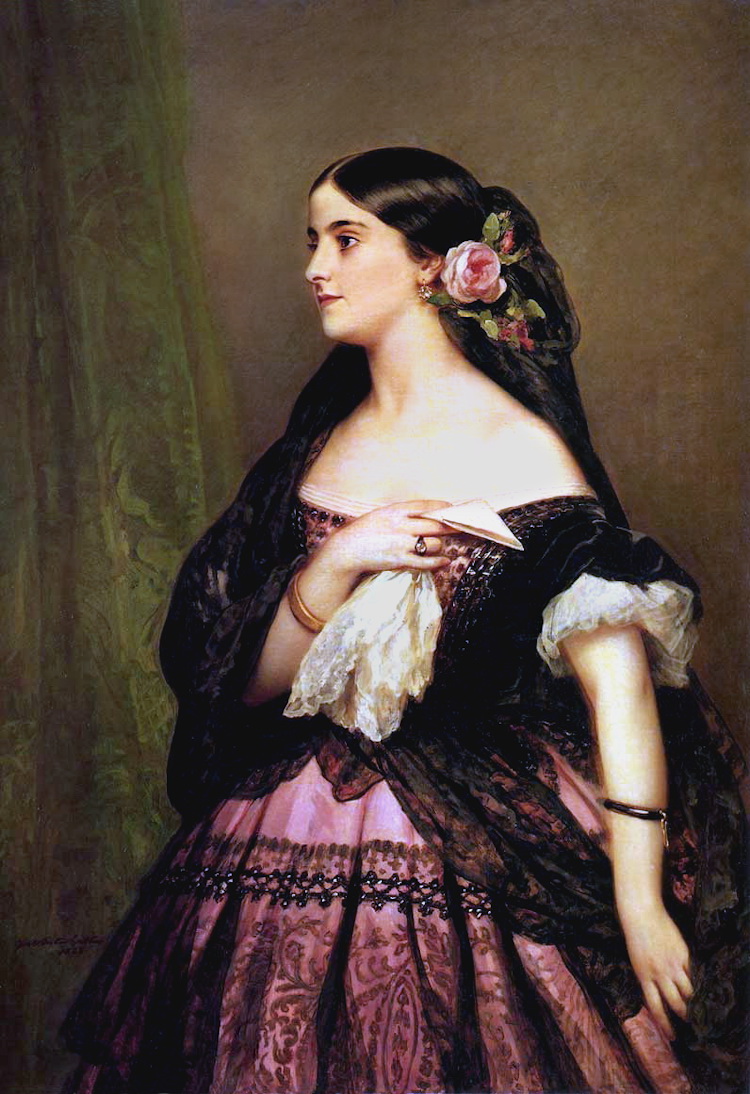

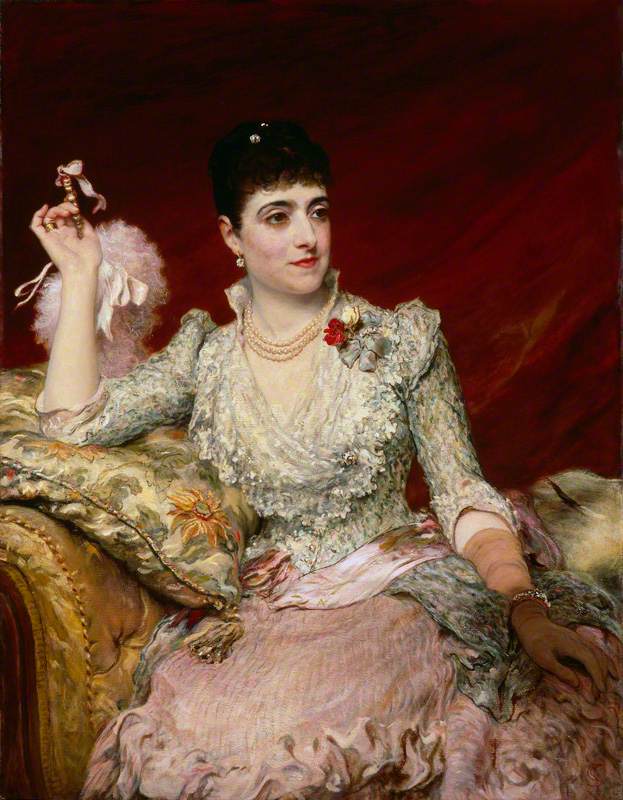

Career and repertoire
Patti was closely associated with the bel canto repertoire and the vocal works of Rossini, Donizetti and Bellini, prized for roles that required agility, purity of tone and elaborate ornamentation. Her programs in major music capitals combined opera arias, showpieces and concert settings, making her a fixture on the most important stages of the Victorian era. Reportedly she could command very large sums for single engagements, a measure of her commercial as well as artistic stature.
Vocal style and critical reception
Reviewers and colleagues admired Patti for a silvery, even-toned soprano, precise coloratura and an ability to shape phrases with elegance. Critics often emphasized her technique and tasteful restraint rather than theatrical excess. While vocal fashions shifted toward heavier Verdi and verismo roles late in the century, Patti remained celebrated for the finesse and control typical of the earlier bel canto tradition.
Later life, recordings and legacy
In later years Patti retired from regular stage work but continued to make selected appearances and, late in life, produced a small number of early gramophone recordings that preserve aspects of her singing. She also maintained a well-known residence in Britain, and her career left a lasting impression on singers, teachers and audiences who valued clarity, style and pianissimo singing. For a concise starting point on further reading, see additional resources.
Notable facts
- Debuted in public as a child in 1851 and remained active into the 1910s.
- Specialized in bel canto repertoire and celebrated for vocal agility.
- Made early commercial recordings that are used today to study 19th-century style.
Patti's reputation as a preeminent diva of her age rests on a blend of technical excellence, popular appeal and an unusually long public life, making her a defining voice of the 19th-century operatic stage.
Related articles
Author
AlegsaOnline.com Adelina Patti (1843–1919) Leandro Alegsa
URL: https://en.alegsaonline.com/art/113314
Sources
- newspapers.library.in.gov : The Indianapolis journal, 7 April 1901, p. 14, col. 4