
Adam Elliot: Australian stop-motion animator
Overview of Adam Elliot, an Australian stop-motion filmmaker known for claymation shorts and the feature Mary and Max; award-winning creator of Harvey Krumpet.
Adam Elliot is an Australian stop-motion filmmaker celebrated for handcrafted clay animation and character-driven storytelling. He was born on January 2 and in the early 2000s came to international attention; sources commonly list his birth year as 1972. Often described simply as an animator, Elliot builds miniature figures and sets by hand and directs frame-by-frame performances that blend humor and pathos.
Image gallery
2 Images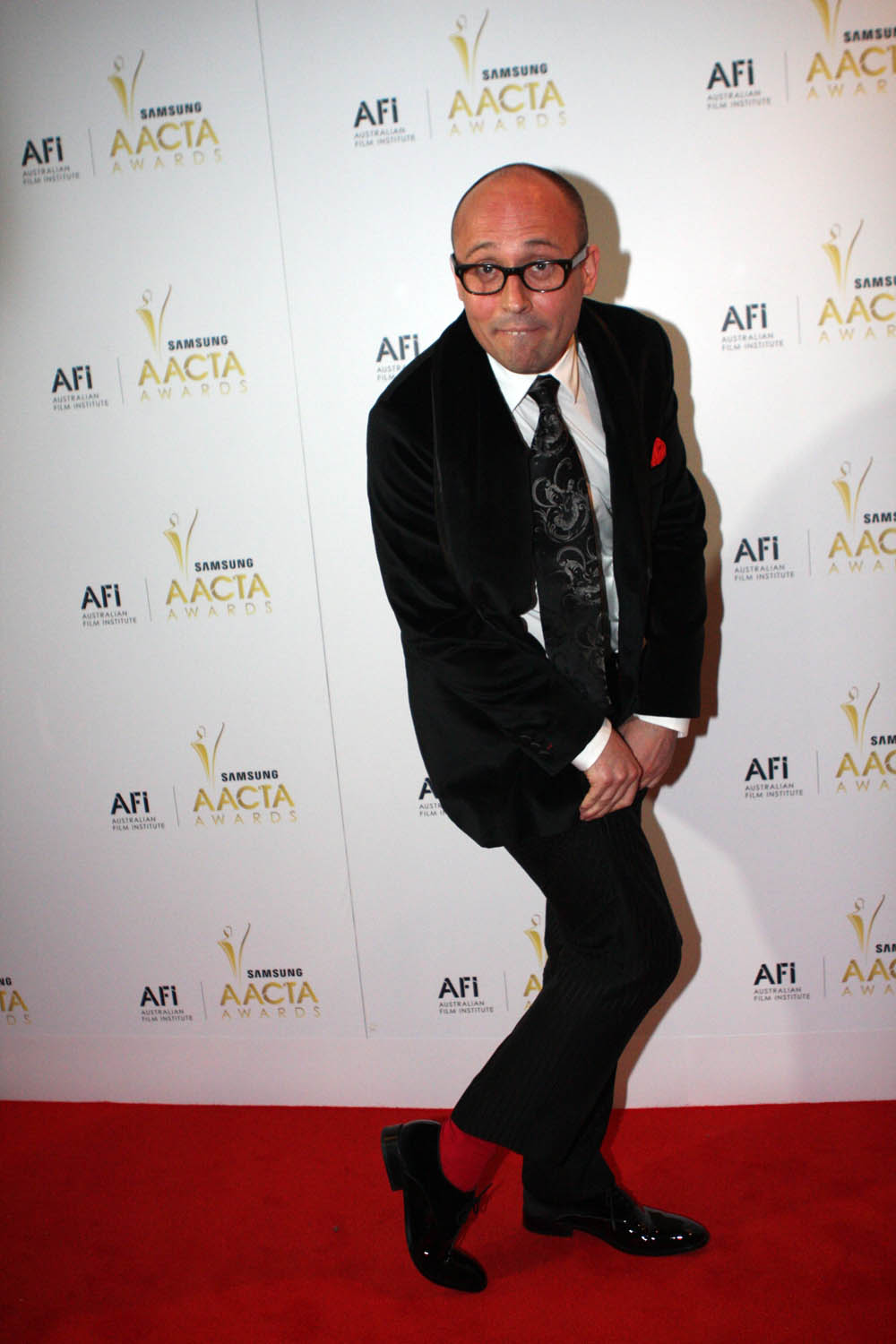
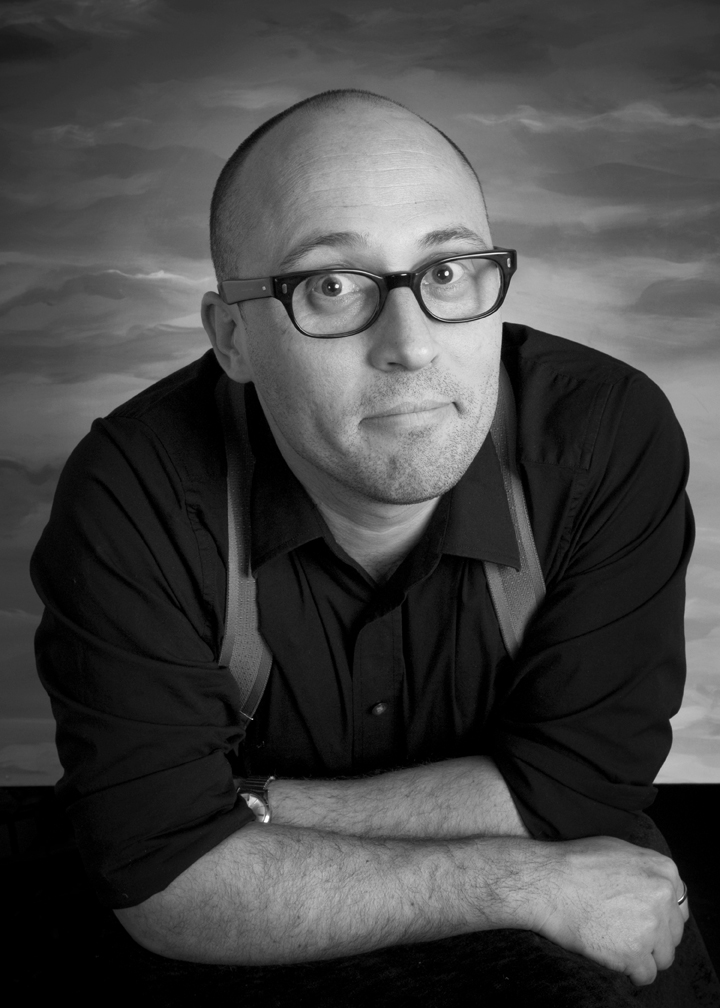
Style and technique
Elliot works in stop-motion using clay or plasticine figures that are posed and photographed one frame at a time. This approach — frequently called claymation — emphasizes tactile textures and small, deliberate gestures. His films typically feature simple, immaculately detailed interior environments, carefully timed comic beats and voice performances that bring out subtle emotional shifts.
Major works and recognition
His short film Harvey Krumpet won wide acclaim and received the Academy Award for Best Animated Short Film in 2003. Elliot also wrote and directed the stop-motion feature Mary and Max, which broadened his audience and solidified his reputation for bittersweet narratives about loneliness, friendship and human frailty. Domestically he has earned multiple honors from the Australian Film Institute and other national festivals.
Themes, influence and importance
Elliot’s work is notable for combining deadpan comedy with sincere emotional stakes: characters often cope with social isolation, mental health challenges or everyday absurdities. His films have influenced independent animators who favor hand-made techniques over computer-generated imagery, and they are frequently studied in courses on animation and short film storytelling.
Selected filmography and awards
- Harvey Krumpet (short) — Academy Award winner; festival screenings and international distribution (Harvey Krumpet).
- Mary and Max (feature) — critically acclaimed stop-motion feature exploring an unlikely pen-friendship.
- Various earlier shorts and commissioned pieces that won Australian Film Institute recognition and other festival prizes.
For readers seeking further information about his career, technique and interviews, consult festival websites, filmmaker profiles and animation surveys which document his methods and awards. Additional background and credits are available through film archives and artist pages linked on major databases (Melbourne and Australian resources, professional listings). General overviews and award records appear in published festival reports and award databases (technical profiles, biographical summaries, date references).
Related articles
Author
AlegsaOnline.com Adam Elliot: Australian stop-motion animator Leandro Alegsa
URL: https://en.alegsaonline.com/art/113288
Sources
- abc.net.au : "Harvie Krumpet creator Adam Elliot :: ABC Queensland"