
Year 839 (AD 839)
An overview of the year 839 (AD 839) in the Julian calendar, its chronological placement and general historical context across Europe, the Byzantine world, the Islamic realms, and East Asia.
Overview
The year 839 (AD 839) was a common year of the early medieval period. In the proleptic Julian calendar it is recorded as a year that began on Wednesday. As with other years of the 9th century, surviving evidence for events in 839 comes mainly from chronicles, annals, charters and later compilations, so precise details and dates are often uncertain.
Image gallery
1 Image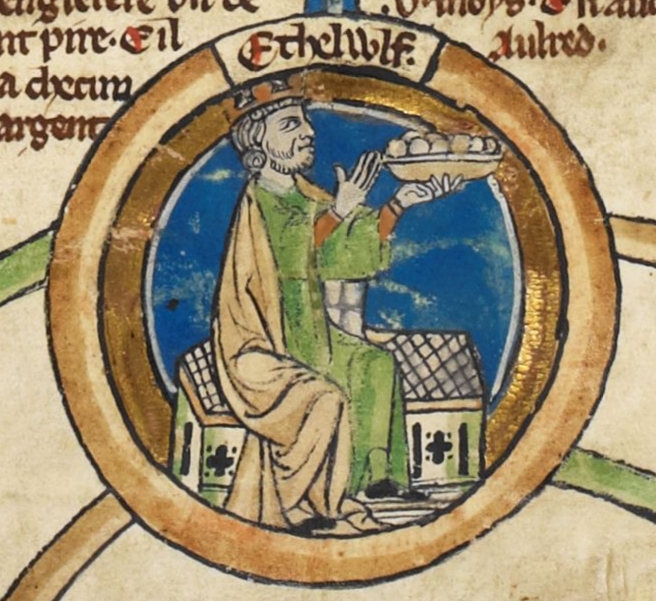
Calendar and chronology
The Julian calendar, which was used throughout much of Europe at the time, organizes the year into twelve months and was still the standard civil calendar in many regions. Modern historians refer to this year as 839 in the Anno Domini system; contemporary writers used a variety of local dating systems, and medieval compilers sometimes retrofitted events to the AD count. For calendrical reference see the Julian calendar entry.
Historical context
The year falls in a period of active political change across Eurasia. In Western Europe the legacy of the Carolingian era shaped politics, with dynastic disputes and regional power centers emerging. Norse seafarers continued to make raids, trade, and establish settlements around the North Sea and the Irish Sea during the broader Viking Age. The Byzantine Empire remained a major Mediterranean power, while in the Islamic world the Abbasid Caliphate presided over a flowering of learning, administration and regional dynamics. In East Asia, imperial courts and regional states maintained diplomatic, military and cultural exchange across long distances.
Records and types of events
Direct records for 839 are fragmentary. Chroniclers of the period typically noted battles, successions, church affairs, legal acts and natural phenomena such as famines or comets. Archaeological finds and later narrative histories help fill gaps, but many specific incidents cannot be dated with high confidence to this single year.
Notable figures
- Charles the Fat — commonly dated as born in 839; he later became a Carolingian ruler who held imperial authority in parts of Western Europe in the late 9th century.
Significance
As with most individual years of the early Middle Ages, 839 is best understood as part of longer trends: political fragmentation in Western Europe, the continued reach of Byzantine and Islamic institutions, and the mobility of peoples such as the Norse. The year illustrates how medieval chronology is reconstructed from scattered sources and why many entries for single years are necessarily concise and cautious.
For more detailed calendrical information and conversions, see specialized resources on the Julian calendar and medieval chronology.
Related articles
Author
AlegsaOnline.com Year 839 (AD 839) Leandro Alegsa
URL: https://en.alegsaonline.com/art/113075