
Year 530 (DXXX): overview, events and historical context
An overview of the year 530 (DXXX): calendar designation, major political and military developments, cultural context across Eurasia and the Americas, and its place in chronology.
Overview
The year 530 (DXXX) was a common year in the Julian calendar, traditionally described as a year beginning on Tuesday. It falls in the early medieval period often dated as 530 AD or 530 CE. Contemporary people rarely used the single-year numbering we use now; instead they recorded events by regnal years, indictions or local eras. Modern historians group the events of 530 into larger patterns of imperial rivalry, legal and religious change, and regional transformation.
Image gallery
2 Images
Calendar and naming
In modern chronological terms 530 is written DXXX in Roman numerals. As a calendrical statement it is sometimes described as "a common year starting on Tuesday"; this formulation refers to reconstruction of the calendar starting on Tuesday under the older Julian calendar. The use of the Anno Domini year-numbering system spread in Europe several centuries after the events it names.
Major political and military developments
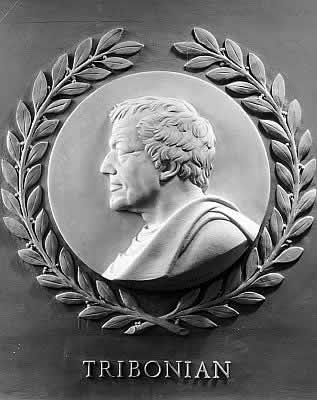
The year sits amid sustained conflict between the Eastern Roman (Byzantine) Empire and the Sassanian Persian state. Byzantine military activity under commanders such as Belisarius produced notable victories and shaped the frontier in the Near East. At the same time Emperor Justinian I pursued administrative and legal reforms that would culminate in the compilation of what later became known as the Corpus Juris Civilis.
Regional snapshots
- Near East: Imperial border warfare and fortification efforts continued to define relations between Byzantium and Persia.
- Western Europe: Former Roman provinces were governed by successor kingdoms where local aristocracies and bishops played growing roles.
- East Asia: Northern and Southern dynastic states in China experienced political fragmentation and cultural exchange.
- The Americas: Complex societies in Mesoamerica and the Andes were in stages of regional development without direct contact with Eurasian events.
Culture, law and religion
Religious debates, church administration and monastic life continued to shape social life across Eurasia. Justinian's legal reforms — a long-term project begun in this period — aimed to codify Roman law and to strengthen imperial authority. Artistic and intellectual currents, transmitted by trade and ecclesiastical networks, connected distant provinces even as political centres competed for supremacy.
Significance and chronology
Year 530 is best understood as a snapshot inside broader transformations: the consolidation of post-Roman polities, the rivalry of two great eastern empires, and evolving legal and religious institutions that influenced medieval Europe and the Near East. When consulting sources for this year, historians combine chroniclers' narratives with archaeological and legal records to reconstruct events and long-term trends.
Related articles
Author
AlegsaOnline.com Year 530 (DXXX): overview, events and historical context Leandro Alegsa
URL: https://en.alegsaonline.com/art/112965