
337 (AD) — Death of Constantine and the Division of the Roman Empire
Year 337 (AD) saw the death of Constantine the Great, a violent purge of the imperial household and the division of the Roman Empire among his sons, shaping mid-4th-century politics and Christianity's role in government.
337 (AD) was a common year in the Julian calendar that became notable chiefly for events in the Roman Empire. The year is most remembered for the death of Constantine I and the immediate political transformations that followed. These developments had consequences for imperial succession, church–state relations, and the stability of Late Antiquity.
Image gallery
4 Images


Events
- Death of Constantine the Great. Constantine, founder of Constantinople and a pivotal figure in the empire's conversion to Christianity, died in 337. Contemporary accounts emphasize his role in promoting Christian worship and reorganizing imperial administration.
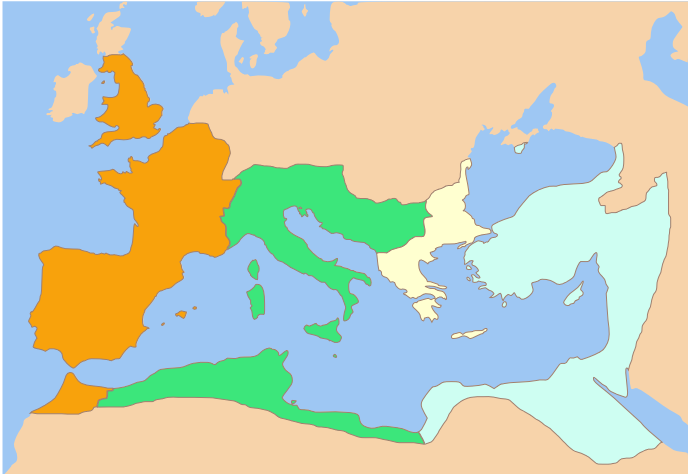
- Imperial succession and division. After Constantine's death, his three surviving sons—Constantine II, Constantius II and Constans—assumed power and partitioned the imperial territories among themselves, establishing a new arrangement of shared rule.
- Widespread purge. In the months after the emperor's death many members of the imperial family and senior officials were killed or removed, an episode that abruptly reshaped court politics and reduced rival power centers.
The year sits within a period when Christianity was gaining unprecedented imperial support. Constantine's reign had already altered legal and religious policy, encouraging church building, clerical privileges, and involvement of emperors in theological disputes. His death left those changes as part of the institutional framework the new rulers inherited.
Administrative and military questions dominated the immediate aftermath. The division of territory among Constantine's sons followed an older Roman practice of splitting power among heirs, but it also created overlapping jurisdictions and rivalries that contributed to later conflicts. Provincial commanders, court factions and members of the extended imperial house all vied for influence during the transition.
Significance and legacy
- The events of 337 accelerated a phase of dynastic competition in the fourth century, influencing subsequent civil wars and the careers of later emperors.
- Constantine's death marked a turning point in the Christianization of imperial institutions: his policies and foundations remained, but their future direction depended on his successors' priorities.
- More broadly, 337 exemplifies how personal succession and elite violence could rapidly alter the political landscape of Late Antiquity, with lasting regional and religious consequences.
While accounts of precise details vary in the surviving sources, the broad contours of 337 are clear: a defining imperial death, a hasty and imperfect settlement among heirs, and a purge that removed many rivals. Together these events set the stage for the mid-fourth-century struggles that continued to shape the Roman world.
Related articles
Author
AlegsaOnline.com 337 (AD) — Death of Constantine and the Division of the Roman Empire Leandro Alegsa
URL: https://en.alegsaonline.com/art/112832