
Year 274 (CCLXXIV)
Year 274 (CCLXXIV) was a common year of the Julian calendar. It saw Emperor Aurelian complete reunification of the Roman Empire and continued power struggles in China during the early Jin period.
Year 274 (CCLXXIV) is recorded as a common year starting on Thursday in the Julian calendar. Contemporary sources describe events through the perspective of regional rulers and military campaigns; modern chronologies use the Anno Domini system to place the year within late antiquity. For the classical world, 274 is best known for political and military reunification under Rome's emperor.
Image gallery
1 Image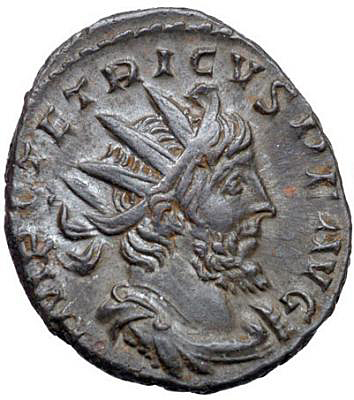
Roman Empire
By 274 the emperor Aurelian had effectively restored central Roman authority after a period of fragmentation in the third century. His campaigns against breakaway regimes culminated in the reintegration of the Gallic and eastern Palmyrene territories into imperial control, a process often completed during 272–274. Aurelian was celebrated by contemporaries and later historians for reestablishing order, reorganizing some frontier defenses, and promoting policies to stabilize the currency and imperial administration.
Religion, administration and reform
Aurelian is associated with renewed emphasis on imperial cult and the rising prominence of solar imagery in official propaganda. He undertook administrative measures intended to reinforce the centre of power and to secure supply lines for the legions. These initiatives reflected broader attempts by third‑century emperors to reverse fragmentation and economic strain.
Other regions
In East Asia the Jin dynasty, founded in 265, continued as the dominant power on the mainland, while the southern state of Eastern Wu remained independent until its eventual submission later in the century. Across Persia, the Sasanian Empire maintained its established territories and rivalries with Rome, and in many provinces local developments followed long‑running patterns of military and civic life rather than sudden, well‑documented events.
Notable themes and significance
- Reunification: Aurelian's actions around 274 marked a turning point in the Crisis of the Third Century by restoring Roman territorial integrity.
- Imperial restoration: Military success led to enhanced prestige for the emperor and prompted administrative measures to strengthen the state.
- Continuity and change: While major empires consolidated, many regions experienced gradual social and economic adjustments rather than abrupt change.
For concise chronological information see the year notation CCLXXIV and calendar context in the Julian system common year starting on Thursday. Further details about specific battles or provincial actions are recorded unevenly in surviving sources and are reconstructed by modern historians from inscriptions, coins and later narratives.
Related articles
Author
AlegsaOnline.com Year 274 (CCLXXIV) Leandro Alegsa
URL: https://en.alegsaonline.com/art/112761