
Year 291 (CCXCI) — late 3rd-century events and context
Summary of the year 291 (CCXCI): calendar placement, political background in the Roman Empire and China, known conflicts, and the year's historical significance.
Overview
The year 291 (written CCXCI in Roman numerals, CCXCI) was a common year that, according to the Julian reckoning of the time, began on a Thursday in the civil calendar (Julian calendar). Surviving records for individual years in the late third century are uneven; many local events are poorly documented, so historians place greater emphasis on longer developments spanning several years.
Image gallery
1 Image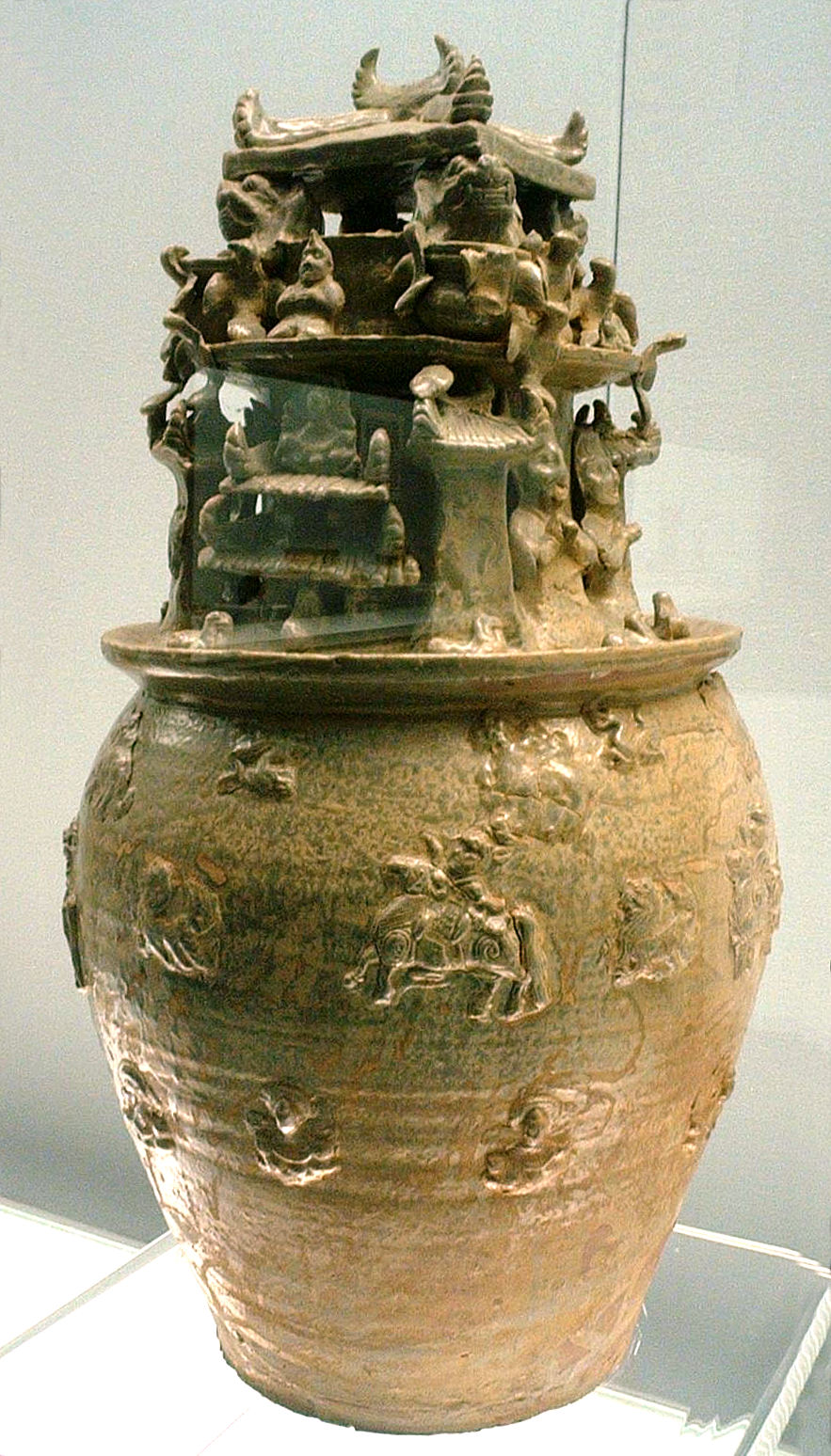
Political and military context
In the Roman world this year falls within the reign of Diocletian, who had become emperor in 284 and worked to restore stability after decades of turmoil. Diocletian pursued military and administrative policies that strengthened imperial control; these efforts culminated in the later formalization of shared imperial rule in the tetrarchy (established in 293). Military activity against border threats and programmatic reforms of provincial administration and fiscal systems characterize the period.
East Asia: start of a dynastic struggle
In China, the year 291 marks the beginning of a sharp internecine conflict within the ruling Jin house. The struggle among royal princes and high officials for control of the imperial government—commonly called the War of the Eight Princes—began about this time and would have profound consequences for the stability of the Jin dynasty, contributing to extended civil war and fragmentation in the early fourth century.
Notable themes and consequences
- Imperial consolidation: leaders moved to secure borders and reorganize government structures to prevent the rapid turnovers seen earlier in the century.
- Elite conflict: dynastic and aristocratic rivalries in China foreshadowed decades of instability and migration of peoples.
- Source limitations: surviving annals, inscriptions and later chronicles provide fragmentary evidence, so precise dating of many events is tentative.
Why the year matters
Year 291 is best seen as part of broader late third-century transformations. Rather than a moment defined by a single famous event, it sits within transitional processes—administrative reform and military stabilization in the Roman Empire, and the outbreak of internal factional warfare in Jin China—that shaped the political map of Eurasia for decades to come.
Related articles
Author
AlegsaOnline.com Year 291 (CCXCI) — late 3rd-century events and context Leandro Alegsa
URL: https://en.alegsaonline.com/art/112770