
Year 240 (CCXL) — overview of a mid-3rd century year
Summary of the year 240 (CCXL): calendar placement, political context across the Roman and Sasanian empires and East Asia, and its place in the wider Crisis of the Third Century.
Overview
The year 240 (CCXL) is conventionally recorded in Roman chronology as CCXL. In chronological tables it is noted as a leap year starting on Wednesday of the Julian calendar, and is also referred to by its Roman numeral form CCXL. Like many single-year entries from the mid-3rd century, 240 is best understood through the broader political and social trends of Late Antiquity rather than by a long list of isolated events.
Image gallery
1 Image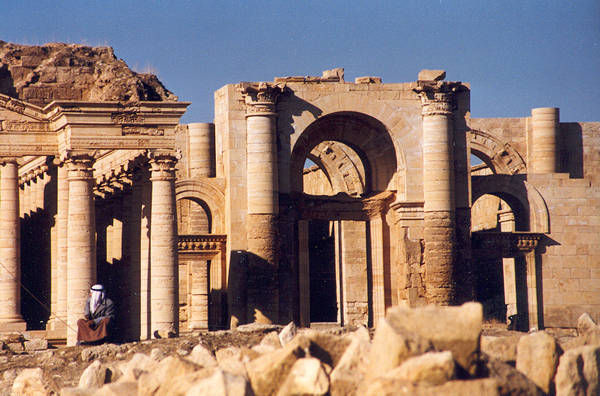
Political context
The Roman Empire in 240 was part of the period historians call the Crisis of the Third Century: political instability, frequent changes of rulers, military pressures on multiple frontiers and fiscal strain. Gordian III occupied the imperial throne after the upheavals of the later 230s, while military commanders and provincial governors retained strong local influence. The year falls between larger conflicts and should be seen as part of ongoing efforts to stabilize imperial authority.
To the east, the Sasanian dynasty that replaced the Parthians in the early 3rd century continued to consolidate power. Traditional chronologies place a change of rulers in the decades around 240, marking the Sasanian state’s growing role in Near Eastern politics and its rivalry with Rome.
East Asia and other regions
In China the era of the Three Kingdoms (Cao Wei, Shu Han, and Eastern Wu) shaped politics and warfare across the former Han territories. Local military campaigns, court factionalism and regional administration defined state activity; cultural and technological continuities from the Han period persisted despite fragmentation. In southern and central Asia, North Africa and the Americas, local societies followed their own trajectories; for many regions the historical record for this specific year is sparse.
Significance and themes
- Imperial transition and military influence on government.
- Continued conflict and diplomacy between Rome and Sasanian Persia.
- Regional fragmentation in China with ongoing cultural production despite political division.
Because documentary survival is uneven, historians reconstruct the importance of 240 by examining numismatic, epigraphic and literary sources from surrounding years. The year exemplifies a period in which imperial structures were tested, local powerholders were empowered, and long-term transformations in governance and society were underway.
Related articles
Author
AlegsaOnline.com Year 240 (CCXL) — overview of a mid-3rd century year Leandro Alegsa
URL: https://en.alegsaonline.com/art/112737