
25th century BC
The period from 2500 to 2401 BCE, during the later Early Bronze Age when urban states, monumental architecture, and long‑distance trade shaped Egypt, Mesopotamia, the Indus Valley and other regions.
The 25th century BC spans the years 2500 to 2401 BCE and falls within the later part of the Early Bronze Age. This century is characterized by mature urban societies, increasing specialization of labor, monumental building projects and expanding exchange networks across large parts of Eurasia and North Africa. Archaeology and contemporary inscriptions provide the main evidence for reconstructing events and cultural patterns.
Image gallery
1 Image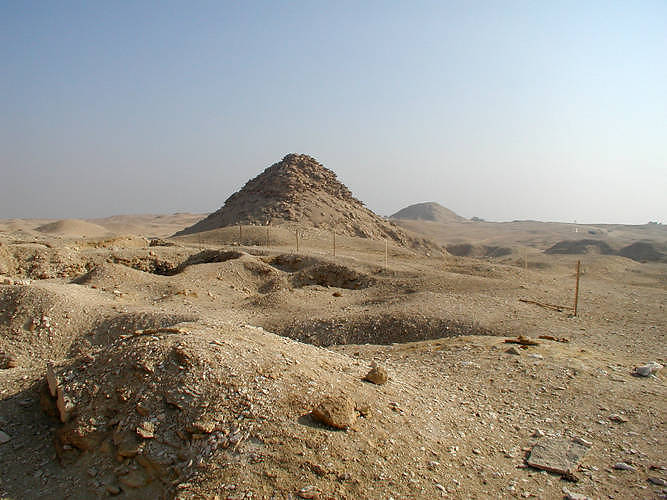
Major regions and developments
- Egypt: The Old Kingdom maintained centralized administration and state-sponsored building. Large pyramid complexes and funerary monuments continued to be central to royal ideology and elite culture.
- Mesopotamia: City-states in southern Mesopotamia remained important centers of administration, writing (cuneiform), irrigation agriculture and craft production, with periodic political change among competing polities.
- Indus Valley: Mature Harappan cities showed planned streets, standardized weights and craft specialization, and participated in long-distance exchange with Mesopotamia and the Persian Gulf region.
- Europe and elsewhere: Copper and bronze use spread in parts of Europe, and regional cultures showed increasing social differentiation. In East Asia and the Americas, complex Neolithic and early Bronze Age communities were evolving toward more hierarchical forms.
Technological advances included wider use of bronze for tools and ornaments, improvements in pottery and textile production, and continued development of wheeled transport and sailing vessels. These facilitated trade in raw materials such as metals, stone and timber as well as finished goods and luxury items.
Culture, monuments and economy
Monumental architecture and organized labor projects—especially tombs, temples and public works—reflected and reinforced social hierarchies. Artistic production combined local traditions with influences carried along trade routes. Administrative systems relied on writing, accounting tokens and seals to manage resources and taxation.
Sources and chronology
Dating this century depends on archaeological stratigraphy, radiocarbon measurements, and synchronisms in inscriptions; exact years can vary between scholarly chronologies. For a simple chronological reference see 2500–2401 BCE. Interpretations remain provisional and are refined as new excavations and analyses appear.
Although many political names and specific events are poorly attested, the 25th century BC stands out as a period when centralized states, interregional commerce and technological change combined to shape enduring economic and cultural patterns across several continents.
Related articles
Author
AlegsaOnline.com 25th century BC Leandro Alegsa
URL: https://en.alegsaonline.com/art/112749