
2015 Mina stampede in Mecca
A deadly crowd crush on 24 September 2015 in Mina near Mecca during the annual Hajj. Official Saudi figures reported hundreds killed and many injured; counts and the sequence of events remained disputed.
Overview
On 24 September 2015 a large and deadly crowd crush occurred in the Mina district near Mecca during the annual Hajj pilgrimage. The incident took place amid one of the busiest phases of the Hajj when large numbers of pilgrims move between ritual sites. Saudi authorities provided an official casualty count; other governments and observers disputed those figures and the precise sequence of events.
Image gallery
9 Images


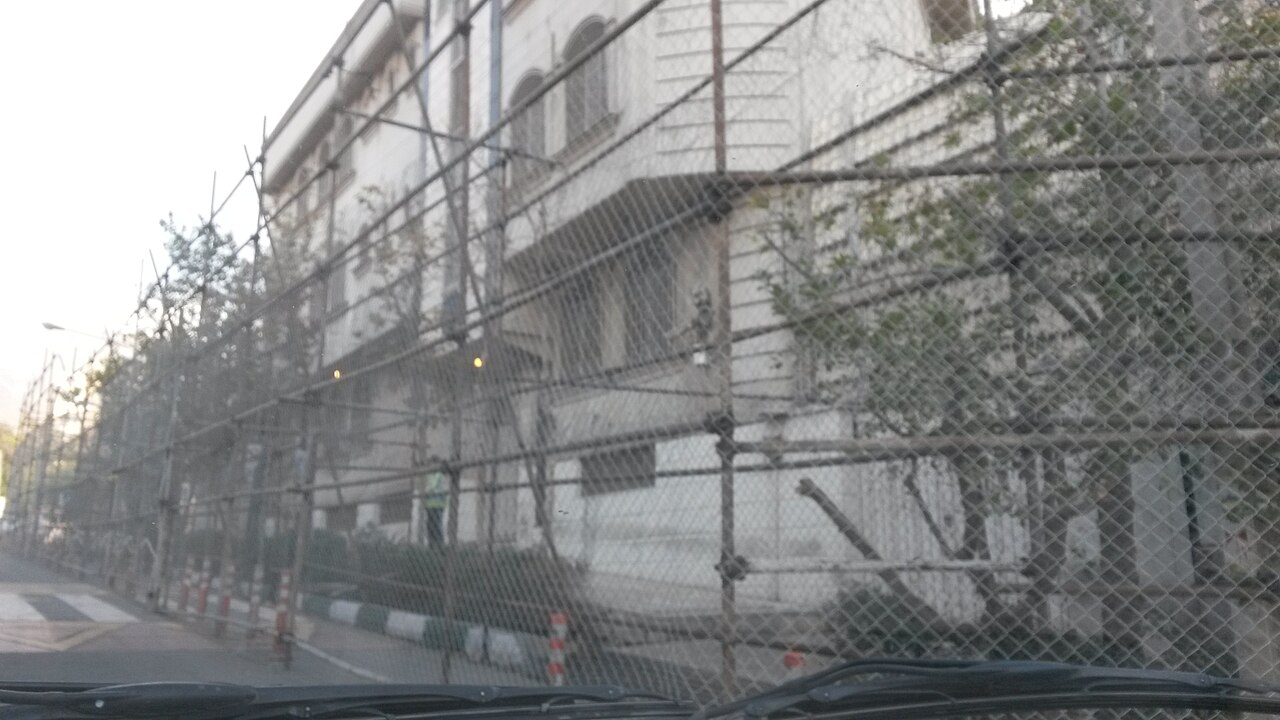




Location and circumstances
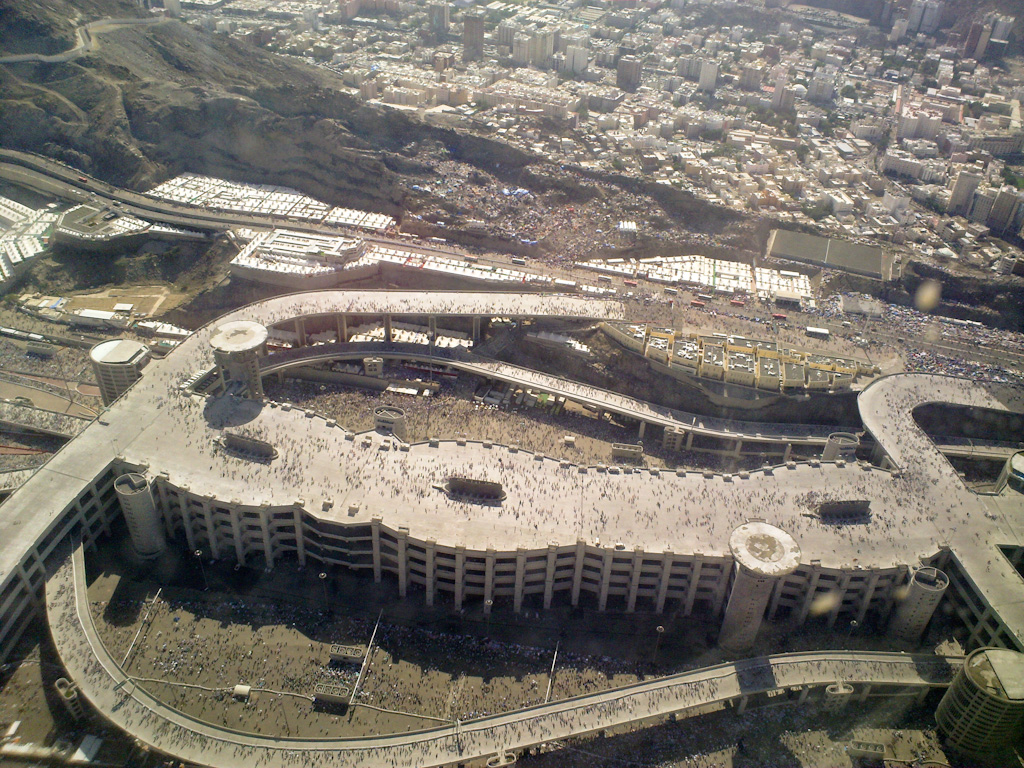
Mina is a tented valley east of Mecca where pilgrims stay and travel to perform the stoning of the devil (Ramy al‑Jamarat) and other rites. The crush happened on multi‑lane roadways and junctions used by streams of pilgrims. Eyewitness accounts described dense converging groups and confusion at a major intersection; investigators later noted that crowd density, constrained passageways and movement of people in opposite directions can all create dangerous pressure situations.
Casualties and differing reports
Saudi officials released an official toll reporting hundreds of deaths with additional injuries and missing persons. Some countries with large numbers of affected citizens reported different counts and urged fuller accounting. Because of the international composition of victims and the chaotic conditions, tolls and national lists of the missing evolved in the days and weeks after the event.
Causes, response and investigations
Analyses of Hajj crowd incidents emphasize factors such as extreme crowding, narrow passages, unexpected merging of flows and inadequate situational awareness. Emergency services and hospitals in the region treated thousands of casualties, and Saudi authorities conducted inquiries. Several countries and international bodies called for transparent investigations and improved crowd‑management measures going forward.
Aftermath and significance
The Mina tragedy highlighted the challenges of managing very large pilgrim movements in confined spaces and prompted debates about safety planning, monitoring and international cooperation during the Hajj. It remains a reference point in discussions of mass‑gathering safety and has influenced subsequent crowd‑management practices and calls for improved data sharing between host authorities and pilgrims' home countries.
- Key issues: crowd density, route design, communication and emergency access
- Context: part of the annual Islamic pilgrimage to Saudi Arabia involving millions of participants
For background on the pilgrimage and logistics of Hajj, see general resources and official Hajj guidance from relevant authorities. Further reporting and official statements documented national responses and ongoing efforts to prevent similar incidents in the future.
Related articles
Author
AlegsaOnline.com 2015 Mina stampede in Mecca Leandro Alegsa
URL: https://en.alegsaonline.com/art/112551
Sources
- bbc.com : "Hajj stampede: At least 717 killed in Saudi Arabia"