
Bibliothèque nationale de France — France’s national library in Paris
The Bibliothèque nationale de France (BnF) is the French national library and a major research institution in Paris, holding rich historical collections, modern archives, and a large digital library.
The Bibliothèque nationale de France, commonly called the BnF, is France’s national library and a central repository for the nation’s published and archival heritage. It serves librarians, researchers and the general public, preserves historical documents, and supports scholarship and cultural programming. The institution is identified with France’s cultural policy and has branches and reading rooms in Paris as well as outreach programs across the country. For official information and services see the institution’s site: Bibliothèque nationale de France.
Image gallery
10 Images







History and development
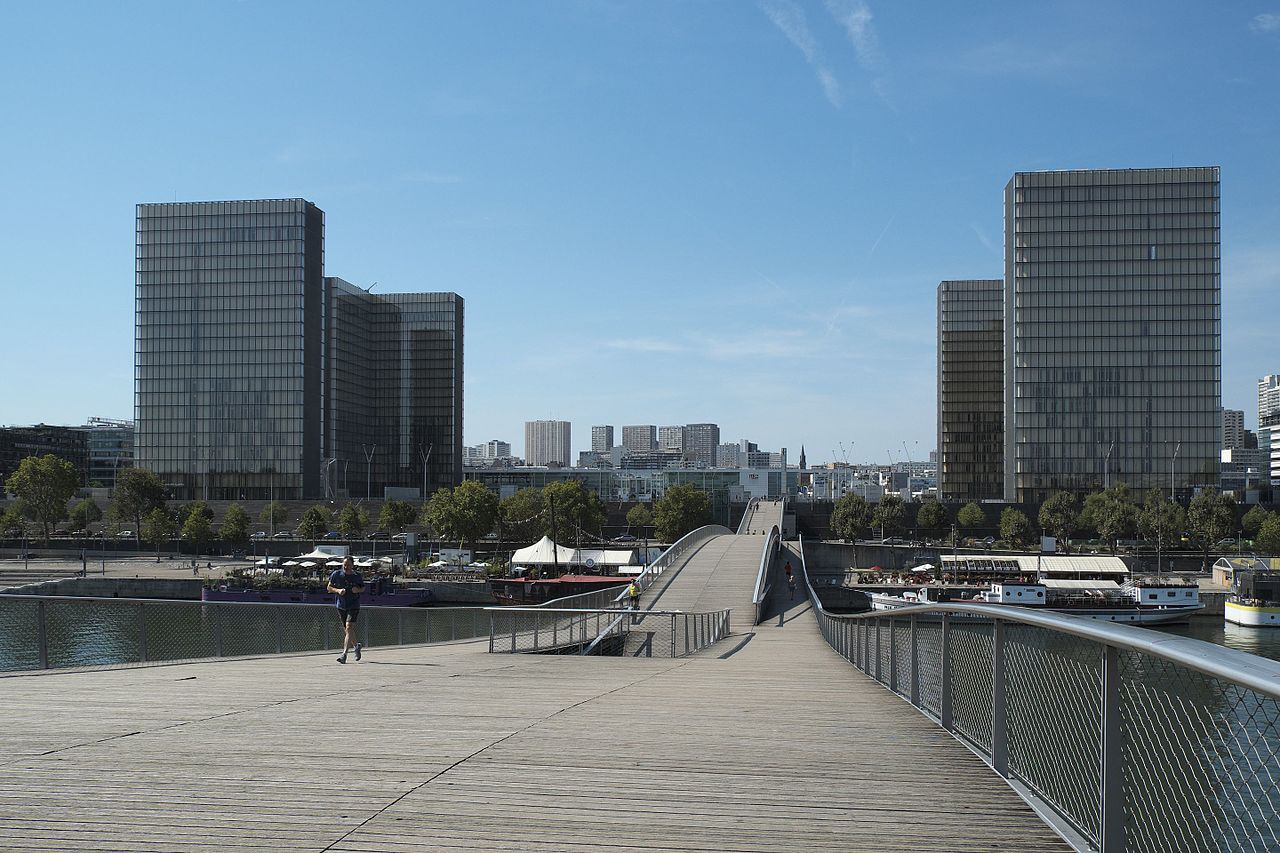
The BnF traces its roots to the royal collections assembled in the late Middle Ages and expanded under successive monarchs. During the upheavals of the French Revolution the royal library became a national institution; over the centuries it grew through legal deposit, acquisitions and donations. In the 19th and 20th centuries the library modernized its cataloguing, built added facilities and developed specialized departments for manuscripts, maps, prints and more. A major architectural addition was the modern François-Mitterrand library complex, begun in the late 20th century, which centralized large parts of the modern collections.
Main sites and organization
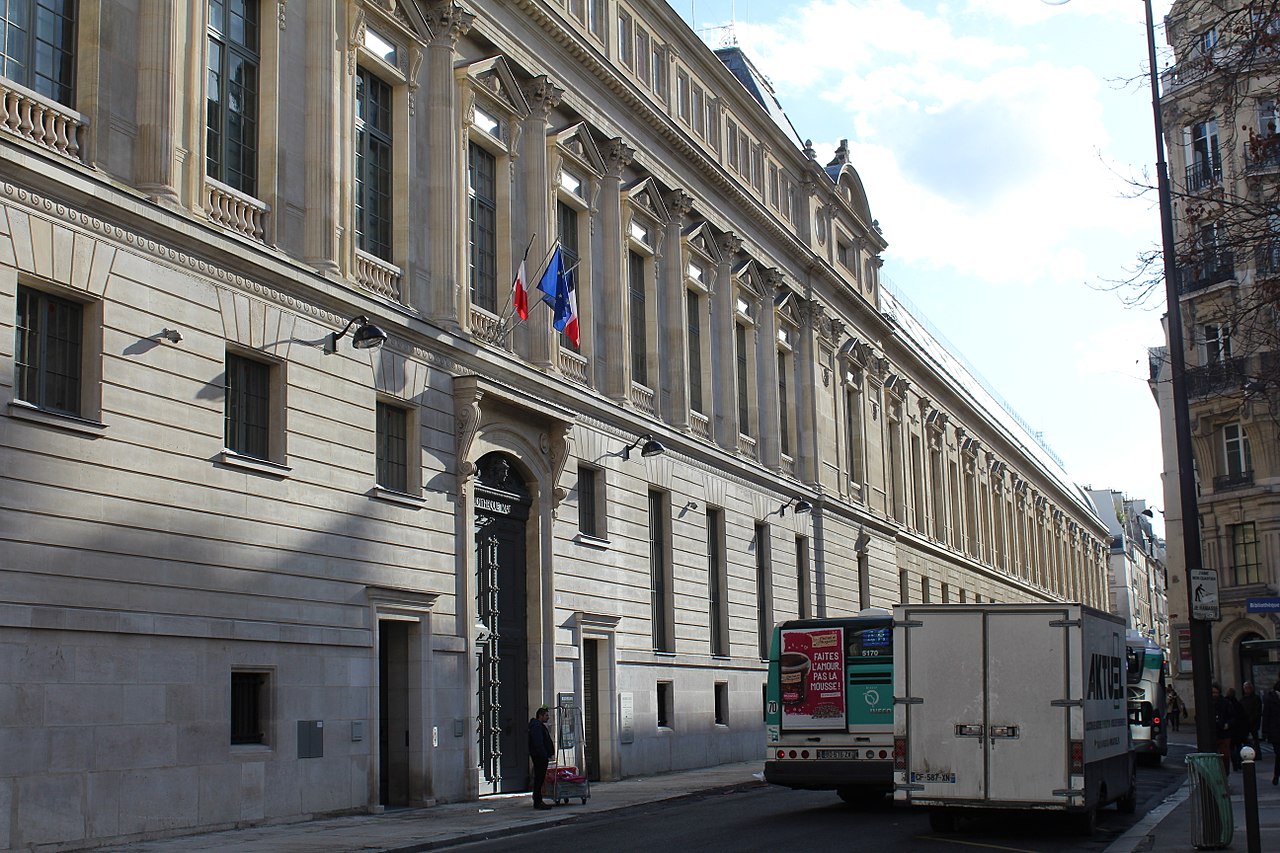
The BnF is organized across several sites with complementary roles. The historic Richelieu site houses rare manuscripts, prints and specialized research services, while the François-Mitterrand site contains the principal modern collections, reading rooms and public exhibition spaces. Other locations manage maps, music, audiovisual archives, and conservation laboratories. Each site combines public reading rooms, cataloguing units and preservation facilities to manage specific categories of material.
Collections and holdings
The library holds a vast and varied range of materials created or collected in France and beyond. Major categories include:
- Manuscripts and medieval codices, including illuminated works;
- Printed books from early presses to contemporary publications;
- Newspapers, periodicals and ephemeral publications;
- Maps, atlases, prints, photographs and graphic arts;
- Music scores, sound recordings, coins and medals.
Services, preservation and digitization
The BnF operates public reading rooms, research support services and exhibitions, and it enforces legal deposit rules that require publication copies to be lodged with the national library. Conservation teams work to stabilize and restore fragile items, and the institution has developed extensive digitization programs to increase access. Its digital library provides online access to thousands of items and supports remote research, education and cultural outreach.
Importance and distinctions
As France’s national library, the BnF plays a central role in preserving cultural memory, supporting scholarship and making collections available to diverse audiences. It is noted for its historic treasures, large modern holdings and evolving digital services. Visitors and researchers should check site-specific access rules and catalogs in advance, and many resources are searchable or viewable through the BnF’s online portals and digital collections.
Related articles
Author
AlegsaOnline.com Bibliothèque nationale de France — France’s national library in Paris Leandro Alegsa
URL: https://en.alegsaonline.com/art/11248
Sources
- portal.unesco.org : unesco.org
- nytimes.com : "France Detects a Cultural Threat in Google,"
- tools.wmflabs.org : 48°50′01″N 2°22′33″E / 48.83361°N 2.37583°E / 48.83361; 2.37583
- commons.wikimedia.org : Bibliothèque nationale de France