
2009–10 NHL season overview and key features
Summary of the National Hockey League's 2009–10 season: schedule, structure, Olympic break, European games, playoff timing and notable organizational facts.
Overview
The 2009–10 season was the 92nd campaign of the National Hockey League and marked the 100th season since the formation of its precursor, the National Hockey Association. The regular season began on October 1, 2009 and concluded on April 11, 2010; the postseason extended into early June 2010 and ended with the awarding of the Stanley Cup following the playoff tournament.
Image gallery
5 Images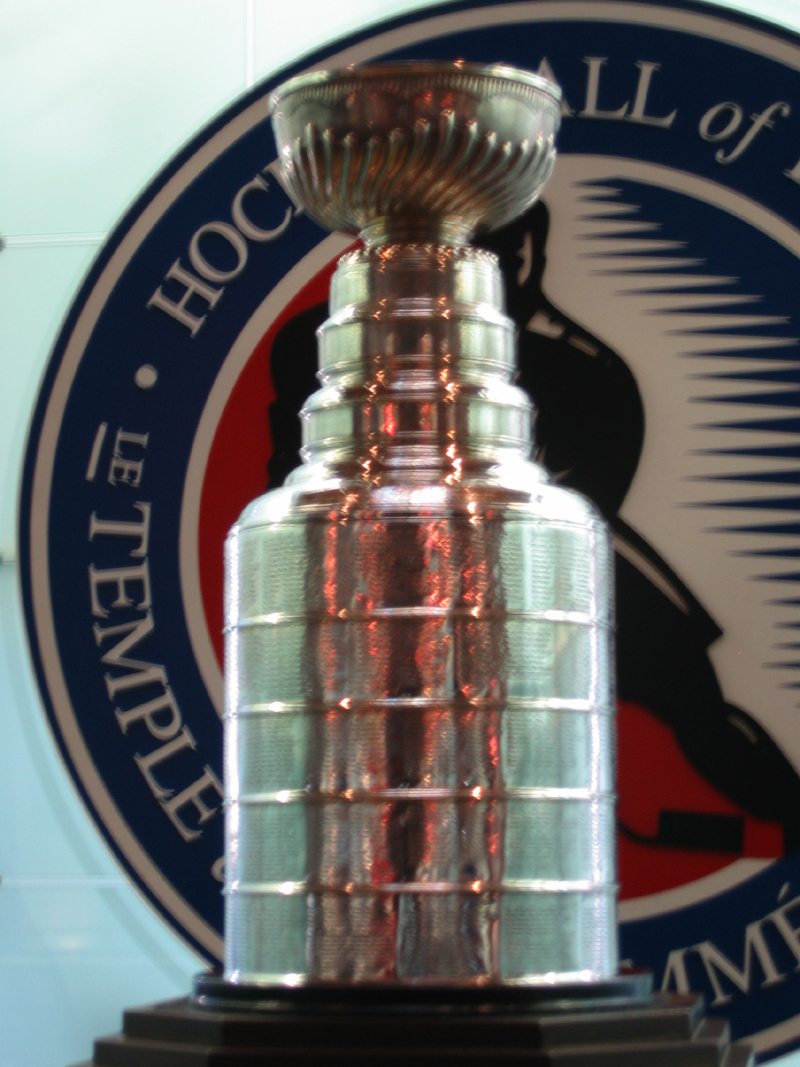


Structure and schedule
Thirty clubs competed across the two-conference format that has defined modern NHL play. Each team played a full regular-season schedule, followed by the traditional Stanley Cup playoffs involving the top qualifiers from each conference. The season program included international initiatives and an extended break to accommodate the Winter Olympic tournament.
Distinctive features of the season
- Mid-season Olympic break from February 15 to 28, 2010 to allow NHL players to represent their countries at the 2010 Winter Olympics in Vancouver (2010 Winter Olympics, Vancouver).
- No NHL All-Star Game was held in 2010 because of the Olympic hiatus.
- Four regular-season games were played in Europe on October 2 and 3 as part of the league's effort to promote hockey internationally.
Competition and postseason
The regular season determined seeding for the Stanley Cup playoffs, a multi-round elimination tournament culminating in the Stanley Cup Final. The playoffs are the season's focal point: best-of-seven series decide conference champions and, ultimately, a league champion.
Context and significance
This season is notable for its Olympic interruption, the European regular-season games that continued the NHL Premiere initiative, and for marking a centennial milestone measured from the NHA’s founding. For further reference on the league, its history, and the postseason events, consult the NHL overview and related tournament pages: NHL, NHA, 2010 Stanley Cup playoffs.
Legacy and notable facts
The 2009–10 schedule illustrated how the NHL balanced global promotion, international competition, and the traditional North American season structure. The decision to pause for the Olympics and forgo an All-Star Game demonstrated the league’s emphasis on international competition that year, a choice that influenced scheduling approaches in subsequent seasons.
Questions and answers
Q: What was the 2009-10 NHL season?
A: The 2009-10 NHL season was the 92nd season of the National Hockey League and the 100th season since the founding of the predecessor National Hockey Association.
Q: When did the 2009-10 NHL season start and end?
A: The 2009-10 NHL season started on October 1, 2009, including four games in Europe on October 2 and 3, and ended on April 11, 2010.
Q: Were there any mid-season breaks during the 2009-10 NHL season?
A: Yes, there was a mid-season break from February 15 to 28, which occurred to allow NHL players to participate in the 2010 Winter Olympics in Vancouver.
Q: Why was there no NHL All-Star Game for 2010?
A: There was no NHL All-Star Game for 2010 because of the Winter Olympics break.
Q: How long did the 2010 Stanley Cup playoffs last?
A: The 2010 Stanley Cup playoffs lasted from April 11, 2010, to early June 2010.
Q: How many games were played in Europe during the 2009-10 NHL season?
A: Four games were played in Europe during the 2009-10 NHL season, on October 2 and 3.
Q: When was the National Hockey Association founded?
A: The National Hockey Association, the predecessor to the National Hockey League, was founded 100 seasons ago from the 2009-10 NHL season.
Related articles
Author
AlegsaOnline.com 2009–10 NHL season overview and key features Leandro Alegsa
URL: https://en.alegsaonline.com/art/112421
Sources
- nhl.com : "2009-2010 Standings by Division - NHL.com"
- nhl.com : "2009–2010 Standings by Conference"
- sports.espn.go.com : "NHL tiebreaking procedures"
- nhl.com : "Player Stats: 2009–2010 Regular season: All Skaters – Total Points"
- nhl.com : "Player Stats: 2009–2010 Regular season: Goalie – Goals Against Average"
- nhl.com : "2010 Stanley Cup Playoffs: Conference Quarterfinals"
- capitals.nhl.com : "Capitals to Celebrate Presidents' Trophy"
- philly.com : "Flyers oust Canadiens to advance to Stanley Cup finals"
- articles.chicagotribune.com : "Hawks look but don't touch Campbell Bowl"
- foxnews.com : "Sedin named Sporting News' player of the year"
- google.com : "Blackhawks win first Stanley Cup since 1961"
- sports.espn.go.com : "Crosby, Stamkos share Richard Trophy"