
1988 Formula One World Championship
The 1988 FIA Formula One World Championship, the 39th season, saw McLaren’s dominance and Ayrton Senna claim his first drivers' title amid an intense intra-team rivalry with Alain Prost.
The 1988 Formula One World Championship was the 39th running of the FIA series. It is best remembered for the near-complete dominance of the McLaren team and for delivering Ayrton Senna his first World Drivers' Championship. The season combined advanced turbocharged engine technology, distinctive car design approaches, and intense competition between top teammates.
Image gallery
10 Images


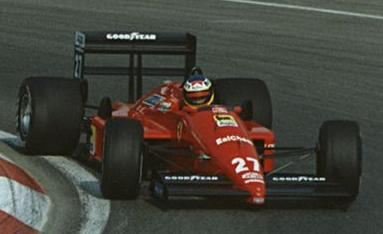
Overview
McLaren emerged as the season's leading team with a car and engine package that outperformed rivals across most events. The two McLaren drivers established a high-profile rivalry that often decided race outcomes and headlines. The championship highlighted the skill of its leading drivers, the importance of car reliability, and evolving regulations affecting engine development.
Key characteristics
Teams used highly developed turbocharged engines in the closing years of the turbo era, while chassis design focused on ground-effect aerodynamics and lightness. McLaren's combination of chassis and Honda power proved decisive. The title fight was primarily an internal contest, rather than a broad multi-team battle.
Teams and drivers
- McLaren — led the season with two top drivers whose rivalry shaped the title race.
- Other established constructors such as Ferrari, Williams, Lotus and Benetton competed, contributing to a strong grid.
- Notable drivers included seasoned champions and rising stars who went on to shape the sport in later years.
The season cemented Ayrton Senna as a leading figure in motorsport and confirmed Alain Prost as his closest rival that year. Senna's title was the first of three he would win in his career, and the season is frequently cited when discussing driver pair dynamics and team strategy.
Historically, 1988 stands out as a turning point: it marked the high point of turbocharged performance before rule changes and a subsequent ban altered the technical direction of Formula One. The patterns of dominance, driver rivalry, and technical innovation from this season have continued to be referenced in discussions of championship strategy and engineering evolution.
Related articles
Author
AlegsaOnline.com 1988 Formula One World Championship Leandro Alegsa
URL: https://en.alegsaonline.com/art/112215