
Ayrton Senna — Brazilian Formula One driver and three-time world champion
Ayrton Senna (1960–1994) was a Brazilian Formula One driver, three-time world champion, known for exceptional qualifying speed, wet-weather mastery, a fierce rivalry with Alain Prost, and a legacy in safety and philanthropy.
Overview
Ayrton Senna da Silva (21 March 1960 – 1 May 1994) was a Brazilian racing driver who competed at the highest level of international motorsport in Formula One. He won the drivers' World Championship three times (1988, 1990 and 1991) and is widely regarded as one of the most talented and influential figures in the history of motor racing. Admired for his intense focus, remarkable car control and extraordinary single-lap speed, Senna built a global reputation during a career that combined sporting success with strong public presence.
Image gallery
10 Images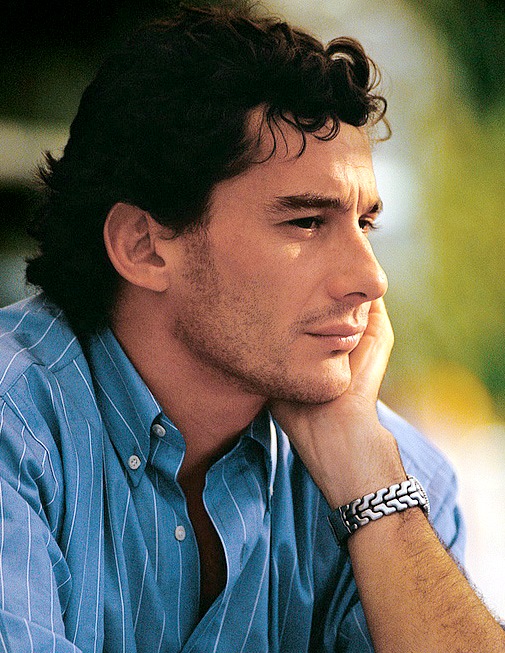


Early life and rise
Born in São Paulo, Brazil, Senna began karting as a child and progressed through junior single-seater categories in Brazil and Europe. He moved to Britain to compete in national series such as Formula Ford and British Formula 3, where his performance drew attention from team managers and sponsors. Those early years established his reputation for raw speed and uncompromising commitment to preparation.
Formula One career
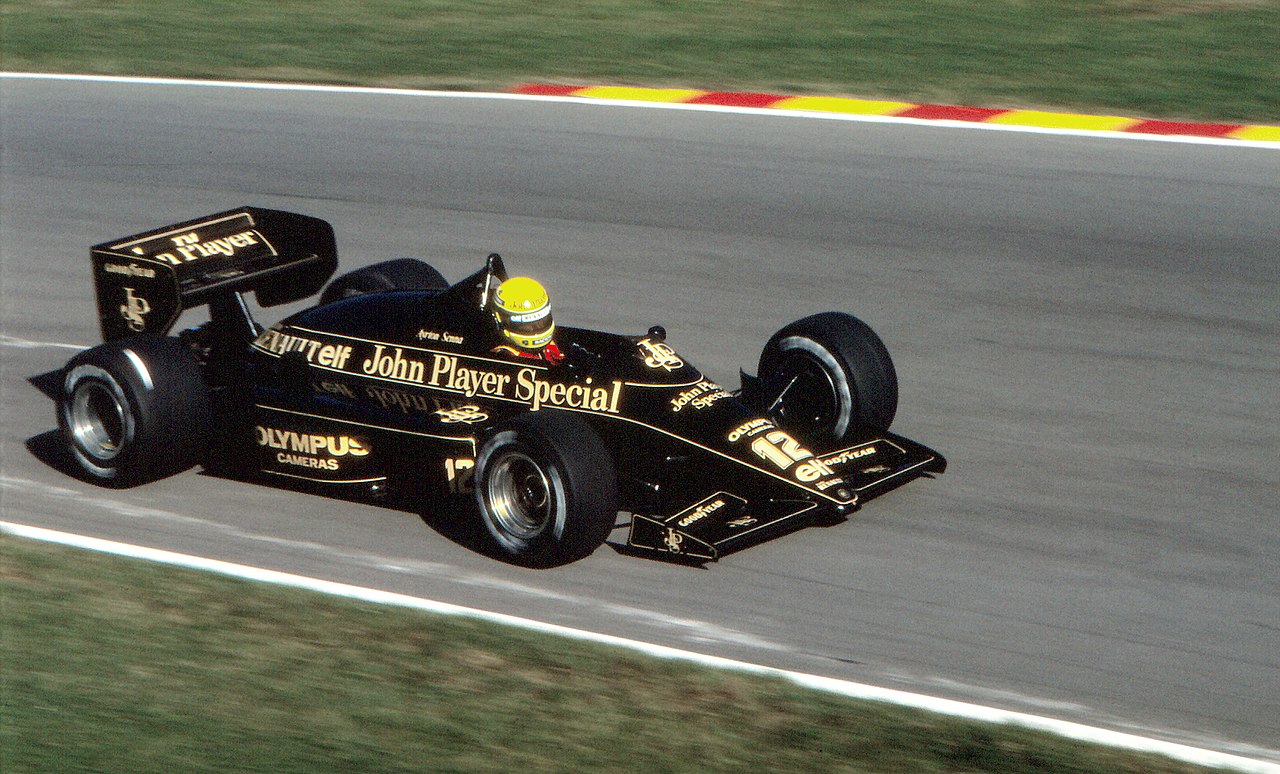
Senna entered Formula One in the mid-1980s and raced for several teams before joining McLaren, where he achieved most of his Grand Prix victories and championship titles. He was known for extracting exceptional performance from his car, particularly in qualifying, frequently starting races from pole position. Races such as his memorable wins in difficult conditions contributed to a legacy of courage and precision on track.
Driving style and rivalries
Senna combined an aggressive driving style with meticulous attention to detail. His performances in wet-weather races were especially celebrated; he seemed to find additional grip and confidence when conditions were challenging. His rivalry with Alain Prost, a teammate and later a principal competitor, produced intense and sometimes controversial moments that shaped the narrative of late-1980s and early-1990s Formula One.
Death and safety reforms
Senna died from injuries sustained in a crash at the Tamburello corner during the 1994 San Marino Grand Prix held at the Autodromo Enzo e Dino Ferrari (Imola). The incident was a watershed in motorsport safety, prompting the sport's governing bodies to accelerate reforms in circuit design, car construction, medical response and driver protection. Changes implemented in the years after his death aimed to reduce the risk of similar tragedies.
Legacy and philanthropy
Senna's impact extends beyond racing results. After his death, the family and supporters created initiatives to honor his memory and continue work in education and social development in Brazil. The Instituto Ayrton Senna, associated with his name, focuses on opportunities for children and young people and is part of his lasting legacy. Senna remains a cultural icon in Brazil and an enduring figure for motorsport fans worldwide.
In popular culture and honours
Senna's life and career have been the subject of numerous books, documentaries and exhibitions. His achievements and the dramatic arc of his career continue to inspire films and retrospectives that examine both his on-track mastery and his personal convictions. Commemorations in motorsport and public memorials underline his significance to fans and fellow drivers.
Notable facts
- Championships: Three-time Formula One World Champion (1988, 1990, 1991).
- Qualifying prowess: Widely celebrated for exceptional single-lap speed and frequent pole positions.
- Wet-weather skill: Considered among the best drivers in rain-affected races.
- Rivalry: His battles with Alain Prost were defining episodes of his era.
- Safety impact: His death led to significant safety reviews and reforms in international racing.
For introductory material about the sport and Senna's place within it, see resources on Formula One and historical coverage of the San Marino Grand Prix. Detailed race reports and archives provide further analysis of his races and seasons for readers seeking more in-depth study.
Questions and answers
Q: Who was Ayrton Senna?
A: Ayrton Senna was a Brazilian Formula 1 driver who won the championship three times.
Q: When did he win the championship?
A: He won the championship three times, in 1988, 1990, and in 1991.
Q: How did Ayrton Senna die?
A: Ayrton Senna died in an accident that took place on the Autodromo Enzo e Dino Ferrari during the 1994 San Marino Grand Prix.
Q: Where did the accident take place?
A: The accident took place on the Autodromo Enzo e Dino Ferrari, better known as Imola.
Q: When was Ayrton Senna born?
A: Ayrton Senna was born on March 21, 1960.
Q: How is Ayrton Senna considered?
A: Ayrton Senna is considered by many people to be the most skilled driver in the history of motor racing.
Q: What was Ayrton Senna's full name?
A: Ayrton Senna's full name was Ayrton Senna da Silva.
Related articles
Author
AlegsaOnline.com Ayrton Senna — Brazilian Formula One driver and three-time world champion Leandro Alegsa
URL: https://en.alegsaonline.com/art/114770