
1979 Formula One World Championship
Overview of the 1979 Formula One season, in which Jody Scheckter won the drivers' crown with Ferrari amid rapid aerodynamic development and a highly competitive field.
Overview
The 1979 Formula One World Championship culminated in a title for Jody Scheckter, driving for Ferrari. The season was contested by a mix of established manufacturers and privateer teams, and continued the late-1970s trend toward greater emphasis on aerodynamics and chassis engineering. Races were held across Europe and other traditional F1 venues, producing a closely fought calendar with several different race winners.
Image gallery
6 Images




Technical context and characteristics
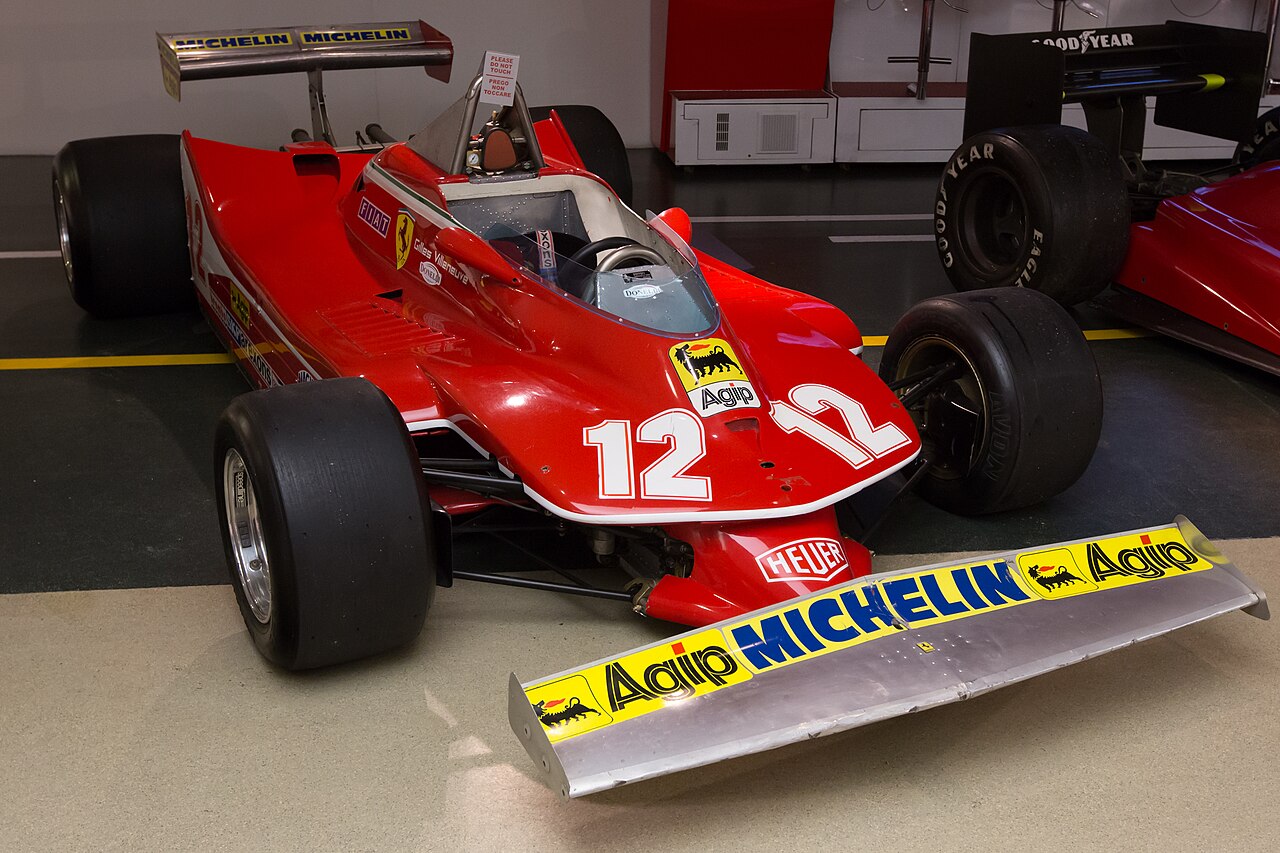
By 1979, ground-effect aerodynamics had become a defining feature of top teams' designs. Side skirts, venturi-shaped underbodies and stiffer suspension setups allowed cars to achieve much higher cornering speeds than in earlier years. Although turbocharged engines had been experimented with by some manufacturers, the season still saw many competitive entries powered by naturally aspirated engines such as the ubiquitous Cosworth DFV V8. Reliability, setup for ground-effect grip, and driver adaptability to aggressive aerodynamic behavior were decisive factors.
Season narrative and key competitors
The championship battle featured a mixture of established stars and emerging talents. Several teams scored wins during the year, and individual race results swung the momentum at different points. Scheckter's consistency and ability to capitalize on the strengths of his Ferrari played a major role in securing the drivers' honours. Teammates and rivals pushed developments and strategy throughout the season, making it a memorable chapter in late‑1970s Formula One.
Significance and legacy
The 1979 season is notable for highlighting how rapidly aerodynamic innovation can reshape competitive order in motorsport. It also marked an important chapter in Ferrari's modern history and in Jody Scheckter's career—the title remains a prominent part of his legacy. Lessons from vehicle design and racecraft in 1979 influenced team approaches into the early 1980s.
Notable facts
- Ground-effect design dominated technical development and influenced race setup and safety considerations.
- The championship illustrated the balance between raw speed, reliability and strategic consistency.
- The season is often cited when discussing the transition from purely mechanical grip to aerodynamic dependence in F1.
Related articles
Author
AlegsaOnline.com 1979 Formula One World Championship Leandro Alegsa
URL: https://en.alegsaonline.com/art/112155