
1982 Formula One World Championship
A turbulent and tightly contested season won by Keke Rosberg, notable for many different race winners, the rise of turbo power, and several serious accidents that shaped its legacy.
Overview
The 1982 Formula One World Championship was one of the most unpredictable seasons in the sport's history. The title was claimed by Keke Rosberg, whose consistency across a chaotic year beat a fragmented field of rivals. The season is remembered as a close fight for the championship, marked by frequent changes of race winners and high stakes both on and off the track.
Image gallery
10 Images





Characteristics of the season
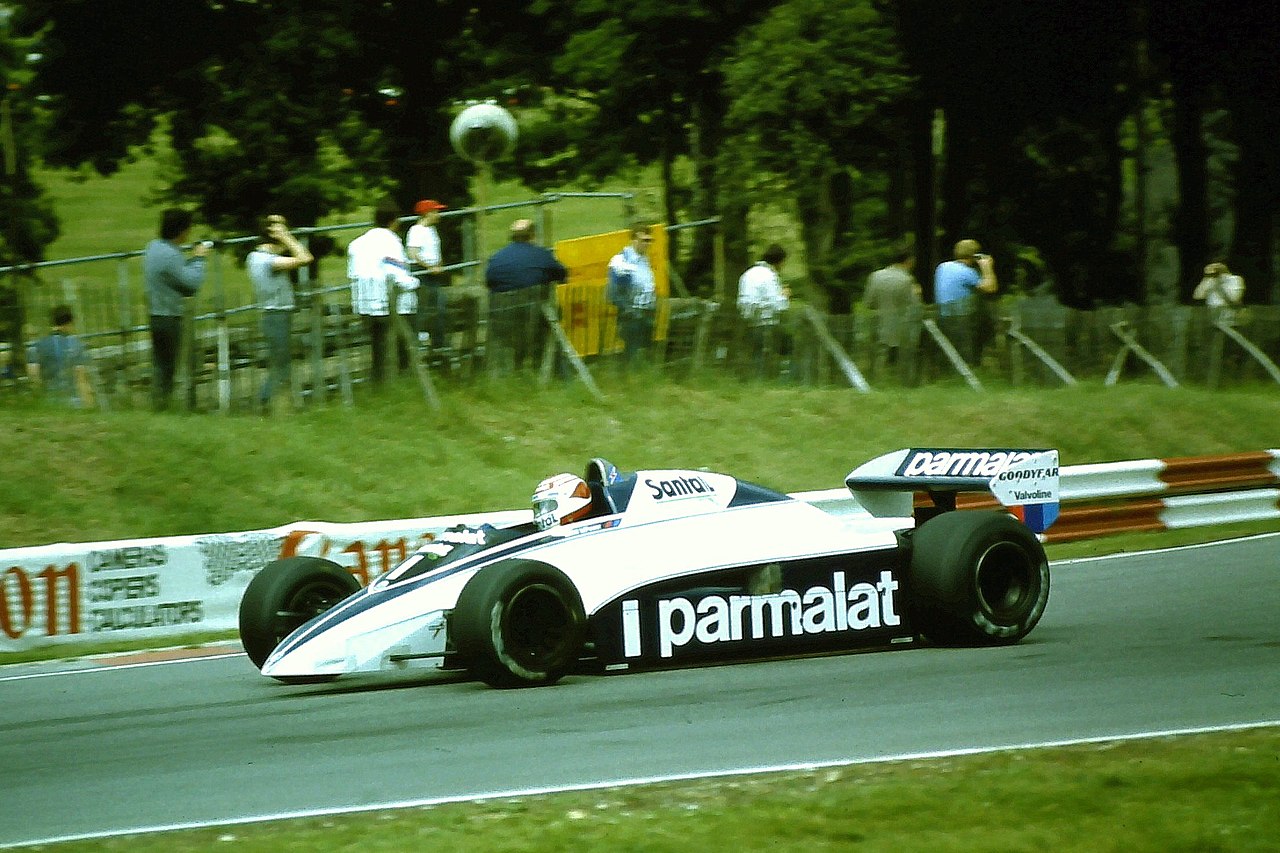
Racing in 1982 reflected a transition period in technology and competition. Turbocharged engines were becoming increasingly competitive alongside conventional naturally aspirated units, reshaping performance and strategy. Reliability was a major factor: many races produced unexpected podiums as favored cars suffered mechanical failures or accidents. Political tensions and sporting disputes also contributed to an unsettled atmosphere throughout the year.
Key competitors and notable incidents
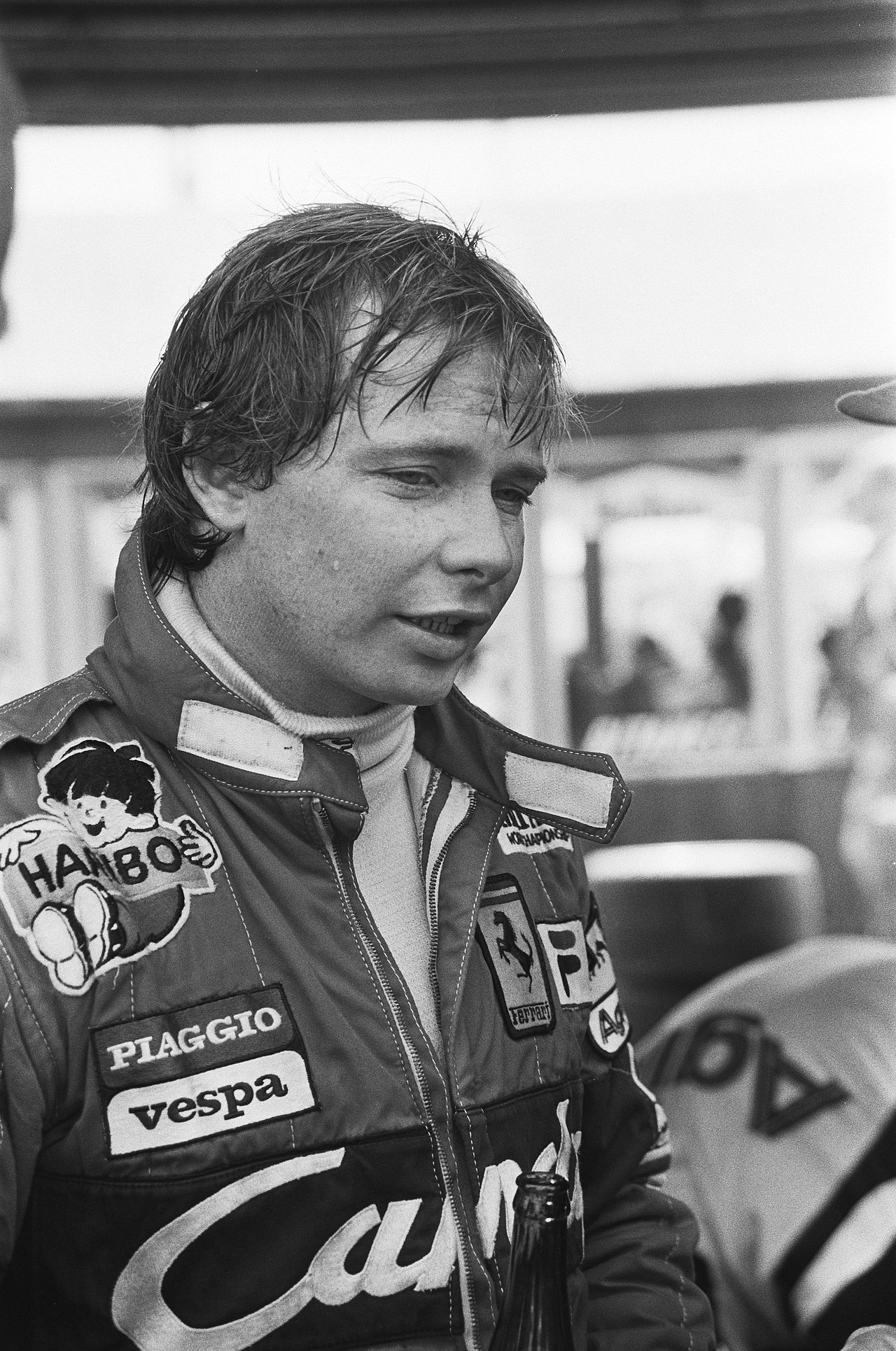
The grid featured established teams and drivers alongside emerging contenders. Ferrari, Williams and other constructors all played prominent roles. Keke Rosberg, who drove for Williams, secured the championship through steady points finishes; learn more about him here. Several dramatic and tragic moments deeply affected the season: Gilles Villeneuve was killed in a qualifying accident, and Riccardo Paletti died in a start-line crash, while Didier Pironi suffered a career-ending accident that deprived the championship of one of its leading challengers. These events had profound consequences for driver safety and for the title fight.
Race outcomes and legacy
Many different drivers won races during the year, making the title battle open until late in the season. The championship outcome underscored how consistency and survival could be as decisive as outright race victories. The disturbances of 1982 prompted renewed attention to safety, medical response, and regulations in Formula One, influencing changes that followed in later seasons.
Why 1982 matters
- It exemplified an era of technical change with turbo engines gaining prominence.
- The season highlighted the importance of reliability and consistency over individual race wins.
- High-profile accidents accelerated the sport's focus on safety improvements.
Overall, the 1982 championship remains a defining chapter in Formula One: a tumultuous, dramatic campaign that combined sporting uncertainty with events that reshaped the future direction of the series.
Related articles
Author
AlegsaOnline.com 1982 Formula One World Championship Leandro Alegsa
URL: https://en.alegsaonline.com/art/112176
Sources
- formula1.com : "1982 Race Results" · web.archive.org
- formula1.com : "1982 Driver Standings" · web.archive.org