
1969 Formula One season
The 1969 Formula One season crowned Jackie Stewart as World Champion. The year marked technical experimentation, growing commercial sponsorship, and the rise of Matra and the Cosworth DFV engine in top-level Grand Prix racing.
Overview
The 1969 Formula One season produced the first World Championship title for Jackie Stewart, who secured the drivers' crown driving for the Matra International team. The season illustrated a shift in Grand Prix racing toward greater technical development and commercial organisation, with established marques and private teams competing across a global calendar of championship events.
Image gallery
10 Images




Characteristics and technical trends
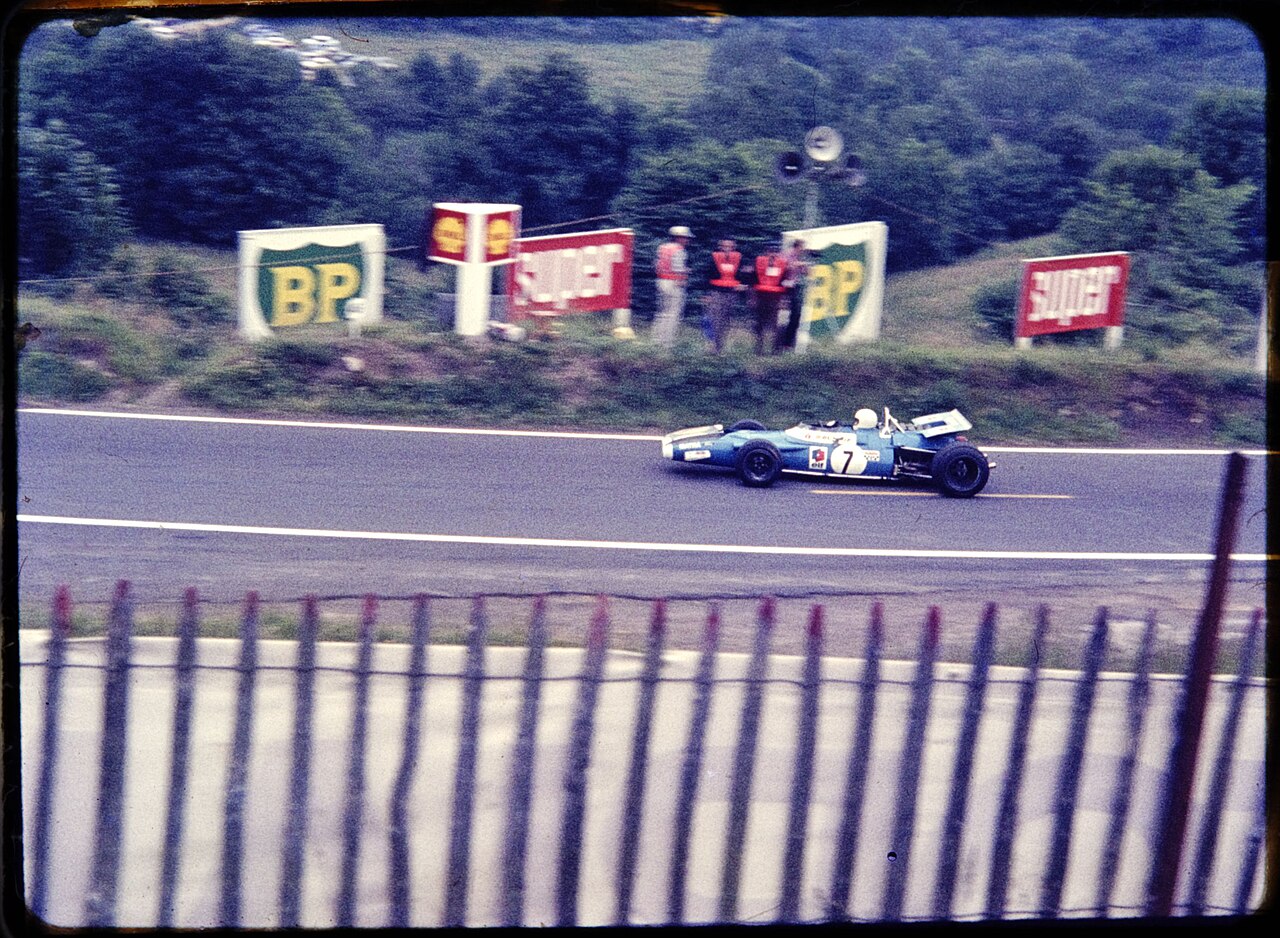
Cars in 1969 combined purpose-built chassis from constructors such as Matra, Lotus and Brabham with increasingly dominant engines like the Ford-Cosworth DFV. Aerodynamic experimentation — notably wings and mounting approaches — was becoming widespread, and teams were learning how these devices changed handling and reliability. The season also reflected the growing influence of commercial sponsorship, which altered team liveries and funding models.
Championship narrative and teams
Jackie Stewart achieved consistent results that put him at the head of the championship standings; his campaign was run by Ken Tyrrell's Matra International operation using a Matra chassis with the Cosworth DFV power unit. Alongside Matra and Tyrrell, established factories and private entries from Lotus, Ferrari, BRM, Brabham and others contested the title, creating close competition at many events.
Significance and legacy
The 1969 season is remembered for demonstrating the effectiveness of the DFV engine as a customer powerplant and for highlighting the role of small, well-run teams in challenging larger manufacturers. It also formed part of the era in which driver safety and circuit standards began to receive greater attention — a cause closely associated with Stewart's later reputation.
Notable facts
- Champion: Jackie Stewart won his first World Championship title.
- Technical: Aerodynamic devices and third-party engines shaped competitive performance.
- Teams: A mix of factory teams and privateers contested the title, under increasingly commercial arrangements.
Related articles
Author
AlegsaOnline.com 1969 Formula One season Leandro Alegsa
URL: https://en.alegsaonline.com/art/112103