
1956 Grand Canyon mid-air collision
A 1956 mid-air collision over Grand Canyon National Park between a United Airlines DC-7 and a TWA Constellation killed all 128 aboard and prompted major US air‑traffic reforms.
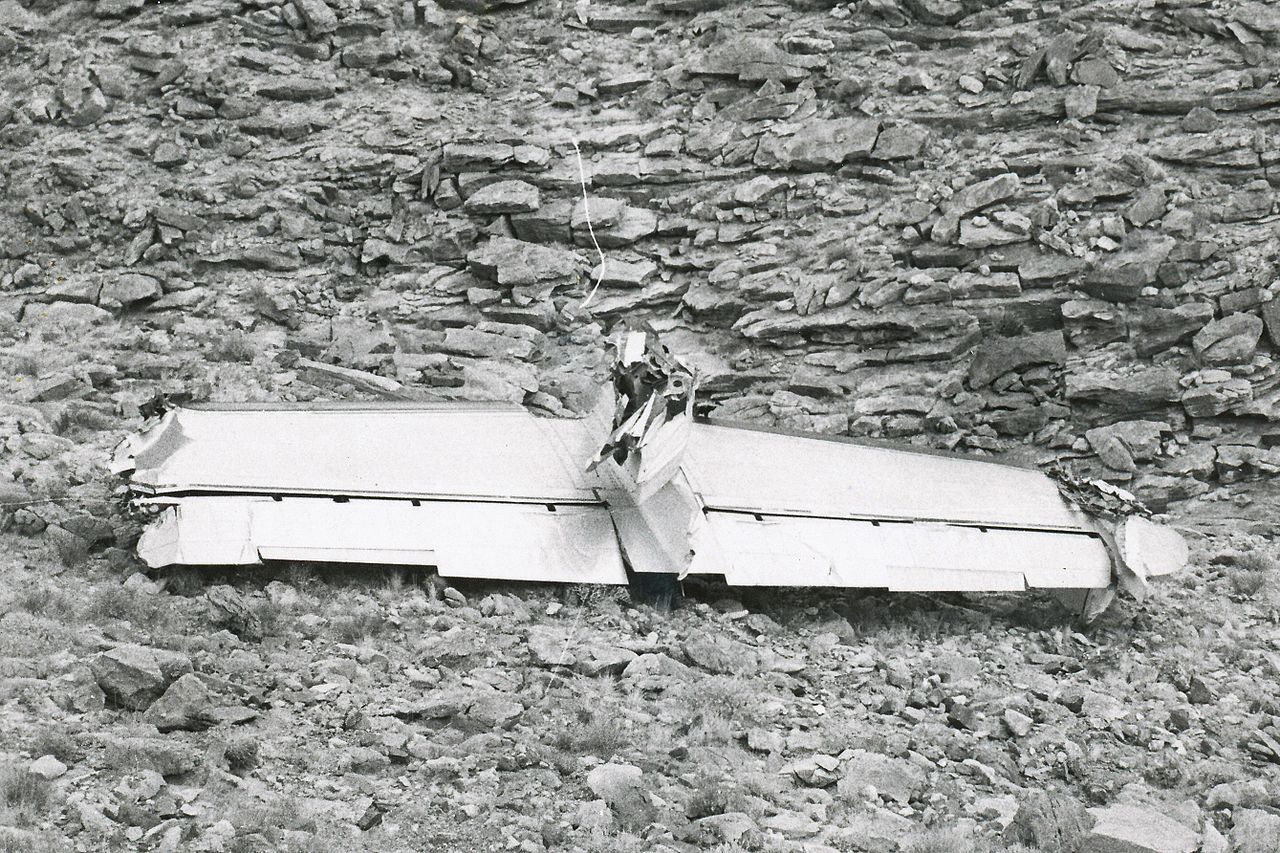
On 30 June 1956 two scheduled airliners collided over Grand Canyon National Park, killing everyone on board both aircraft. At about 11:31 a.m. Mountain Standard Time a United Airlines Douglas DC-7, operating as United Airlines Flight 718, struck a Trans World Airlines Lockheed L-1049 Super Constellation, operating as Trans World Airlines Flight 2. The impact and resulting wreckage fell into a remote section of the canyon; there were no survivors among the combined 128 passengers and crew.
Image gallery
10 Images




Overview
The crash was the first accident involving a commercial airliner in the United States with a death toll exceeding 100 and became a turning point in civil aviation safety. Occurring in uncontrolled airspace where radar coverage and positive air‑traffic control separation were limited, the disaster exposed the practical limits of the then-common see‑and‑avoid practice for high‑speed, high‑altitude airliners flying near each other.
Aircraft and circumstances
Two different long‑range piston airliners were involved: a Douglas DC-7, a four‑engine transport used by United, and a Lockheed L-1049 Super Constellation, a four‑engine transport used by TWA. Both aircraft were established types for coast‑to‑coast passenger service in the 1950s. The flights were en route on scheduled routes when they converged over the Grand Canyon area.
Investigation and findings
The Civil Aeronautics Board (CAB) led the formal investigation. The inquiry focused on airspace procedures, pilot actions, and the limited radar and radio facilities of the era. Investigators emphasized that without continuous radar surveillance and positive control, pilots relied heavily on visual separation and limited position reporting—techniques that proved inadequate for preventing the collision under prevailing conditions.
Consequences and reforms
The public and political reaction to the accident accelerated efforts to modernize air traffic control. The crash contributed to passage of the Federal Aviation Act of 1958, which reorganized federal aviation functions and led to creation of the Federal Aviation Agency (later the Federal Aviation Administration). Subsequent measures included expanded radar coverage, improved air‑traffic procedures, stricter route clearances, and investment in centralized control centers to reduce collision risk.
Legacy and memorial
The wreckage field within Grand Canyon National Park has been recognized for its historical significance and is treated sensitively; parts of the site were later designated a National Historic Landmark. The accident remains a frequently cited example in aviation history of how catastrophic events can trigger systematic safety improvements. Memorials and accounts of the event continue to inform studies of airspace management and the evolution of commercial flight safety.
- Date: 30 June 1956; time: about 11:31 a.m. MST.
- Aircraft: United Airlines Douglas DC-7 and TWA Lockheed L-1049 Super Constellation.
- Fatalities: 128 (all passengers and crew on both aircraft).
- Aftermath: major impetus for modern air traffic control and federal aviation reform.
Questions and answers
Q: When did the 1956 Grand Canyon mid-air collision happen?
A: The collision occurred on Saturday, 30 June 1956 at 11:31 am Mountain Standard Time.
Q: Which airlines were involved in the collision?
A: United Airlines Flight 718 and Trans World Airlines Flight 2 were the two planes involved in the collision.
Q: What types of aircraft were involved in the collision?
A: The aircraft involved in the collision were a Douglas DC-7 and a Lockheed L-1049 Super Constellation.
Q: Where did the collision occur?
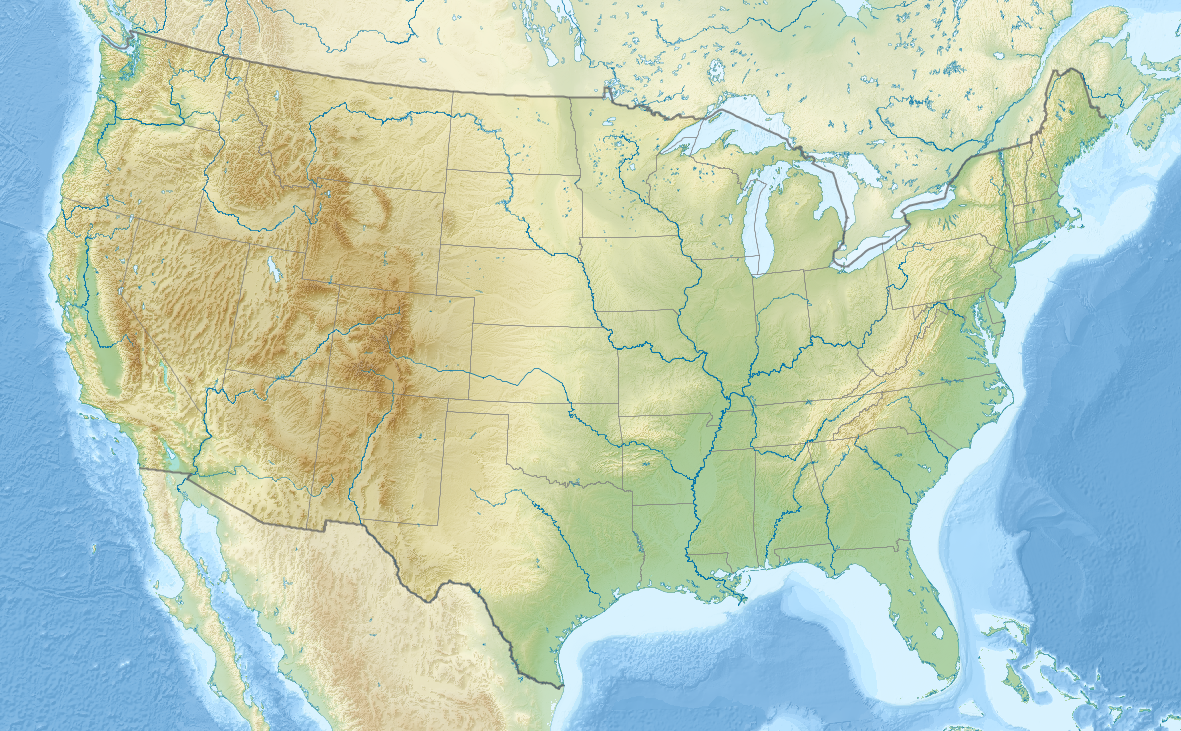
A: The mid-air collision happened over the Grand Canyon, which is situated within the boundaries of Grand Canyon National Park.
Q: How many people died in the collision?
A: All 128 passengers and crew members onboard both flights died in the collision.
Q: What was the significance of this mid-air collision?
A: The 1956 Grand Canyon mid-air collision was the first commercial airline crash with over 100 deaths, and it led to significant changes in flight control within the United States.
Q: What is the current status of the crash site?
A: The crash site is now considered as a National Historic Landmark.
Related articles
Author
AlegsaOnline.com 1956 Grand Canyon mid-air collision Leandro Alegsa
URL: https://en.alegsaonline.com/art/112038
Sources
- nps.gov : "Grand Canyon National Park to Commemorate Designation of New National Historic Landmark 1956 Grand Canyon TWA-United Airlines Aviation Accident Site"
- grandcanyon.org : "The 1956 Airliner Disaster at Grand Canyon"
- fss.aero : "Midair collision, Accident Investigation Report, Trans World Airlines Lockheed 1049A N6902C and United Air Lines Douglas DC-7 N6324C, over the Grand Canyon, Arizona, June 30, 1956"