
1952 Winter Olympics — Oslo, Norway
The VI Olympic Winter Games were held in Oslo, Norway, in 1952. The Games expanded women's events, showcased Nordic venues and athletes, and left a lasting legacy for winter sport infrastructure.
Overview
The 1952 Winter Olympics, officially the VI Olympic Winter Games, were staged in Oslo and surrounding venues in Norway. Held in February 1952, these Games marked the first time a Winter Olympics took place in a Scandinavian country and highlighted Norway's deep connection to winter sports.
Image gallery
8 Images





Venues and programme
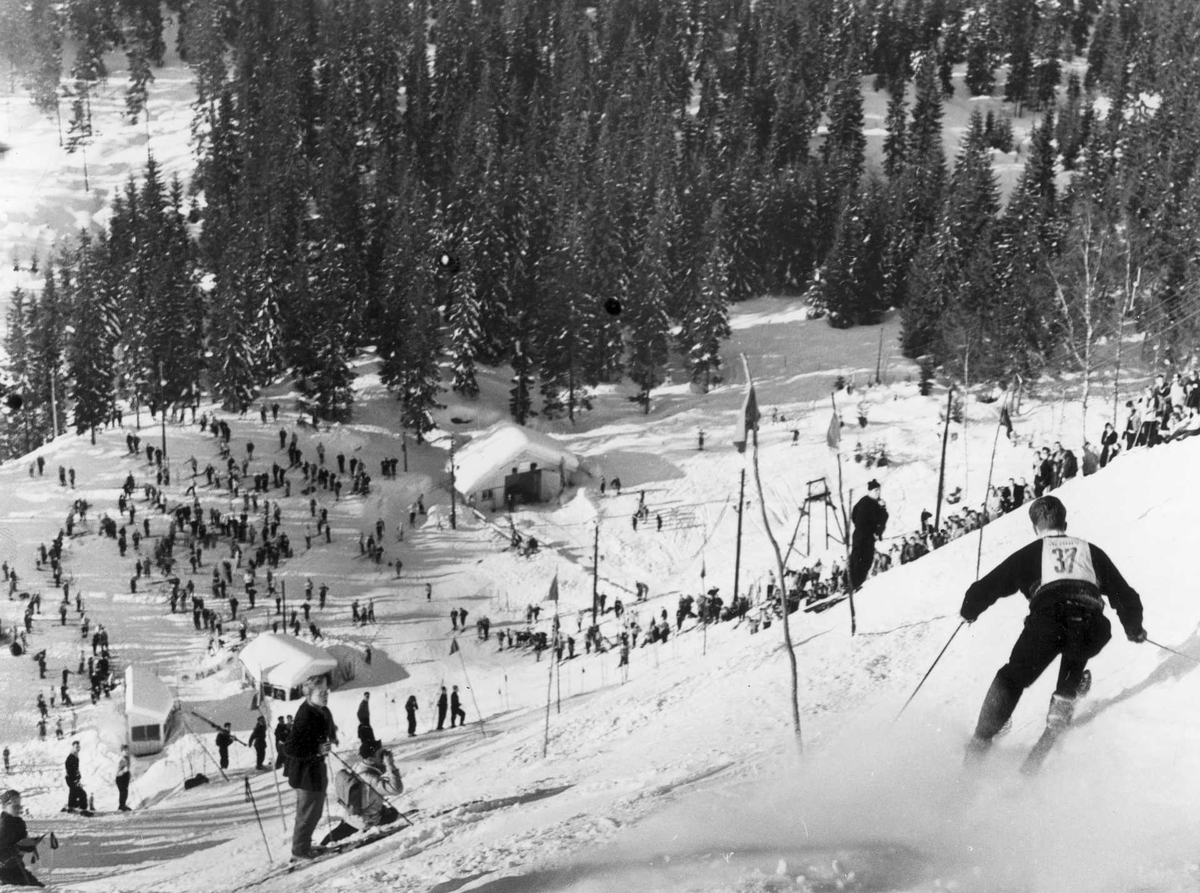
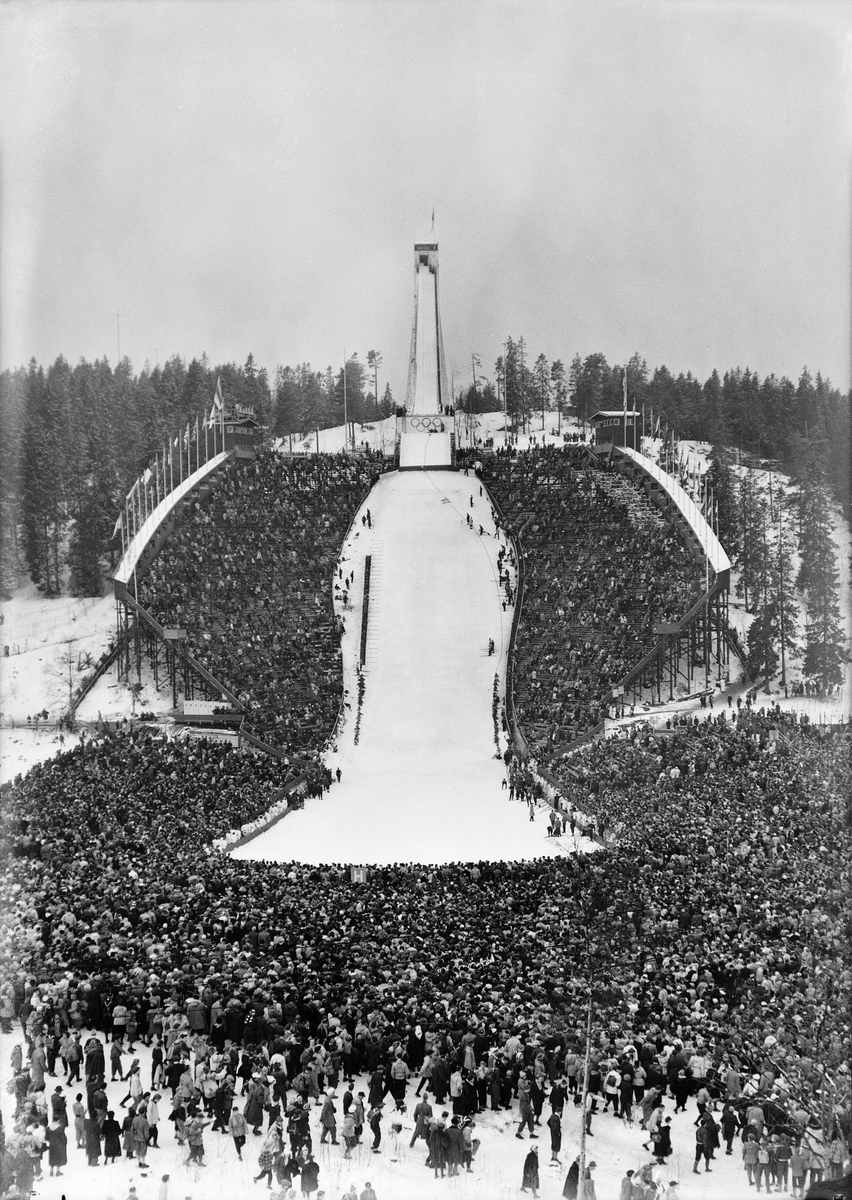
Events used a mix of urban and mountain sites familiar to Nordic skiers and spectators. Iconic locations such as the Holmenkollen ski jump hosted ski jumping and parts of the Nordic combined programme, while alpine courses and skating rinks were arranged at nearby mountain and city facilities.
Sports and innovations
The Games included the traditional Winter Olympic sports of the era: alpine skiing, cross-country skiing, ski jumping, Nordic combined, figure skating, ice hockey, speed skating and bobsleigh. A notable programme change was the introduction of a women's cross-country event, expanding opportunities for female athletes at the Winter Games.
Highlights and notable athletes
Norwegian competitors performed strongly on home snow, and individual athletes captured international attention. Speed skaters and cross-country skiers produced memorable performances that contributed to national pride and helped shape post‑war winter sport narratives in Europe and North America.
Legacy and significance
The Oslo Games are remembered for successful organization, enthusiastic spectator support, and lasting improvements to winter sport infrastructure in the region. They reinforced the cultural importance of skiing in Norway and demonstrated how a compact, well-chosen set of venues can host an Olympic winter programme effectively.
Further context
- These Games strengthened Winter Olympic traditions and helped guide future host cities in balancing urban and mountain facilities.
- They provided a platform for the gradual inclusion of more women's events in Nordic and alpine disciplines.
- For historical records and results, consult official Olympic reports and contemporary summaries of the 1952 programme.
Related articles
Author
AlegsaOnline.com 1952 Winter Olympics — Oslo, Norway Leandro Alegsa
URL: https://en.alegsaonline.com/art/112025