
1949 World Series — New York Yankees vs. Brooklyn Dodgers
Championship series between the New York Yankees and Brooklyn Dodgers in 1949, won by the Yankees 4–1; beginning of a Yankees championship run and a notable chapter in the New York baseball rivalry.
Overview
The 1949 World Series was the championship of Major League Baseball's 1949 season. It matched the American League champion New York Yankees against the National League champion Brooklyn Dodgers. The Yankees won the best-of-seven series four games to one, claiming what was recorded at the time as their twelfth world championship.
Image gallery
6 Images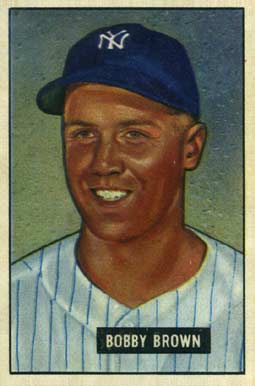


Context and significance
Set in the post‑World War II era of rising attendance and renewed national interest in baseball, the matchup continued a fierce intra‑city rivalry. The contest brought together two New York franchises at their historic home parks and reflected the era's concentration of star talent in the majors. For broader information on the sport's organization, see Major League Baseball.
Series details
Games were played at the Yankees' home ballpark and the Dodgers' Ebbets Field. The Yankees' roster and pitching depth produced a series advantage that resulted in a 4–1 outcome. Contemporary accounts emphasized the Yankees' balanced offense and steady pitching as decisive factors in the win. The series is catalogued among notable World Series matchups; see World Series histories for context.
Venues and structure
- Home parks: Yankee Stadium (Yankees) and Ebbets Field (Brooklyn Dodgers).
- Format: best-of-seven games, standard for championship play of the period.
- Broadcasts and coverage contributed to growing national interest in postseason baseball.
Aftermath and legacy
The 1949 victory marked the start of a sustained period of success for the Yankees under their new managerial direction; it began a run of consecutive championships that would define the team's early postwar dominance. The Dodgers, still based in Brooklyn at the time, remained a central rival and would continue to be a major franchise in the National League before relocating west. For more on the Yankees franchise and its history, see New York Yankees.
Notable facts
The series is remembered as a clear example of the Yankees' mid‑20th century supremacy and as part of the long New York sports rivalry that included both borough pride and national attention. While individual game scores and play‑by‑play details are part of the archival record, the lasting significance is the championship result and its place in baseball history.
Related articles
Author
AlegsaOnline.com 1949 World Series — New York Yankees vs. Brooklyn Dodgers Leandro Alegsa
URL: https://en.alegsaonline.com/art/112009