
1928 Summer Olympics (Games of the IX Olympiad)
The 1928 Summer Olympics in Amsterdam were notable for introducing the Olympic flame, expanding women's events, and leaving a lasting architectural and cultural legacy in the Netherlands.
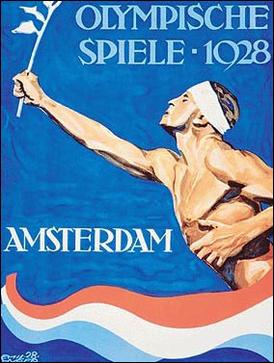
The 1928 Summer Olympics, officially the Games of the IX Olympiad, took place in Amsterdam in the Netherlands. Held late in the summer, the Games brought together athletes from dozens of countries and were widely viewed as a well-organized international sporting festival. Local planning, new facilities and broad public interest contributed to a reputation for success.
Image gallery
9 Images





Organization and venue
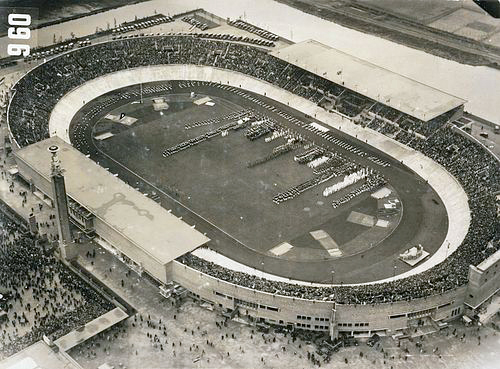
The centrepiece was the new Olympic Stadium, designed to host athletics, ceremonies and a range of field events. The host city and national authorities shared costs; public funding covered a significant portion of expenditures, which helped produce modern competition sites and infrastructure that remained in use for decades.
Notable firsts and changes
- Olympic flame: Amsterdam's Games are remembered for introducing the modern Olympic flame and cauldron as a symbolic element of the opening ceremony.
- Women in sport: The 1928 Games expanded opportunities for women, with female athletes participating in track and field and in more gymnastics events for the first time, a development that altered the future of Olympic competition.
- Organizational traditions: Several protocols and ceremonial practices used in later Games were refined at Amsterdam.
Events and participants
Competition spanned the traditional summer sports programme: athletics, swimming, gymnastics, rowing, cycling, boxing, wrestling, fencing, equestrian events and team sports among them. Competitors represented a broad international field, with national teams arriving from Europe, the Americas, Asia and elsewhere, reflecting the Olympics' growing global reach.
Legacy and significance
The 1928 Games left a mixed but durable legacy: improved sports venues and organizational experience for future hosts, and a visible expansion of women's competitive roles that sparked debate and longer-term change. Architectural and ceremonial elements introduced at Amsterdam influenced the modern Olympic movement, while the city gained a lasting association with an important chapter of 20th-century sport.
Notable facts
- The Amsterdam Olympics are often cited as a turning point for modern Olympic ceremonies and symbolism.
- Some events and rule changes introduced then shaped athlete selection and international competition in subsequent decades.
Related articles
Author
AlegsaOnline.com 1928 Summer Olympics (Games of the IX Olympiad) Leandro Alegsa
URL: https://en.alegsaonline.com/art/111945
Sources
- sports-reference.com : "1928 Amsterdam Summer Games"
- aafla.org : "A Look at Olympic Costs,"