
1463 (year)
Year 1463 saw the Ottoman conquest of the Kingdom of Bosnia, continued Ottoman expansion in the Balkans, and wider cultural and technological shifts from the Renaissance and the spread of movable-type printing in Europe.
Overview
1463 (MCDLXIII) was a year of the 15th century in the Julian calendar marked by military expansion in southeastern Europe and ongoing cultural and technological change across the continent. The Ottoman Empire consolidated new territories in the western Balkans, while the intellectual and artistic movements of the Italian Renaissance continued to influence courts and cities. The printing of books with movable type, introduced a few decades earlier, was spreading to new urban centers.
Image gallery
6 Images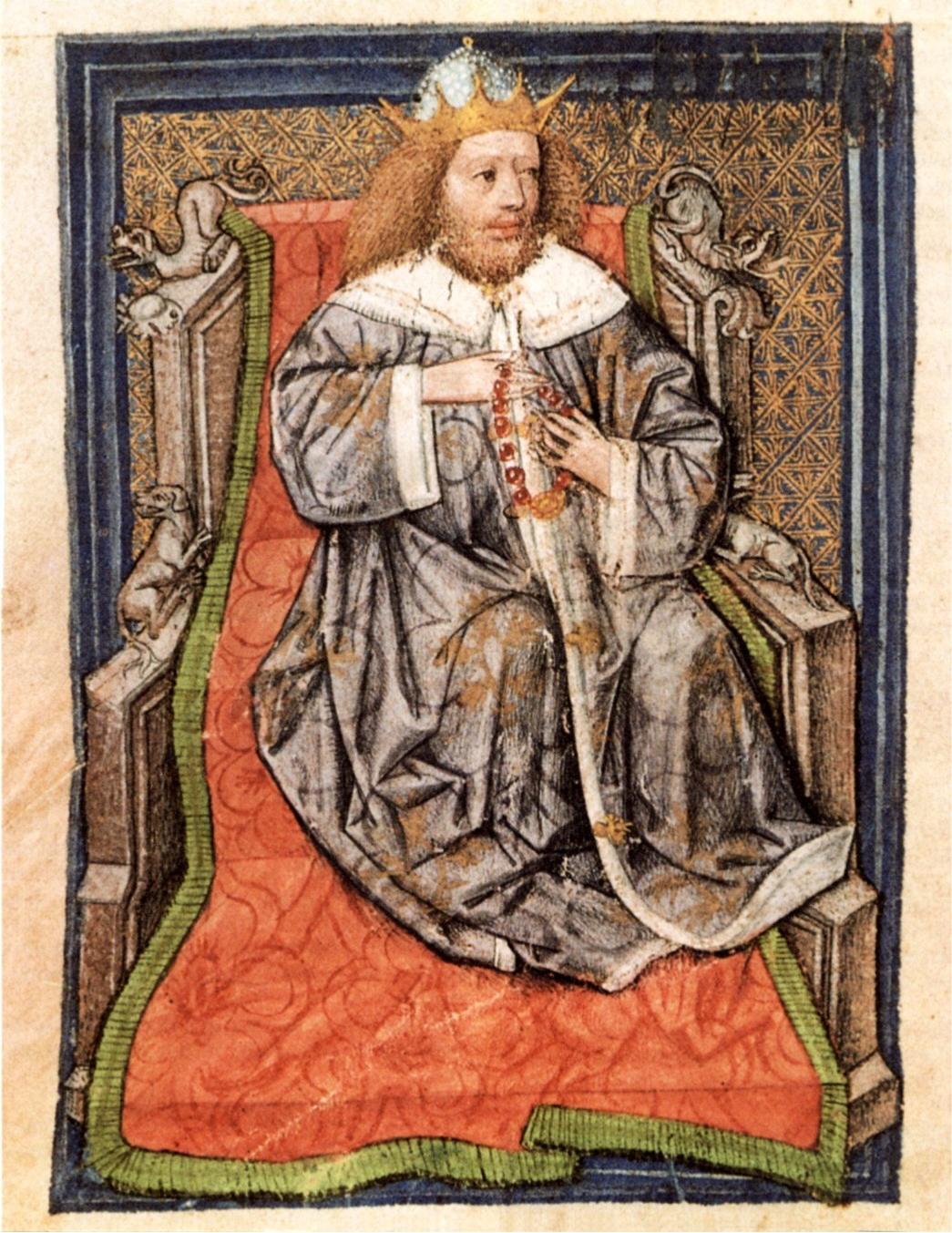


Political and military events
One of the most consequential developments in 1463 was the Ottoman campaign that resulted in the collapse of the medieval Kingdom of Bosnia. The fall of the Bosnian capital and the capture and execution of its ruler brought the kingdom under Ottoman rule and altered the balance of power in the western Balkans. Neighboring states, particularly the Kingdom of Hungary and various South Slavic magnates, reacted with military and diplomatic measures as the Ottoman frontier moved westward. Elsewhere in Europe, regional rivalries and dynastic struggles — including the continuing Wars of the Roses in England and frequent Italian city-state contests — shaped local politics.
Culture, technology and society
By the mid-15th century the movable-type printing press was spreading from its origins in Mainz to important cultural centers. Printers and scholars in cities such as Venice, Rome, Paris and other towns increased the circulation of religious texts, classical works, legal codes and humanist writings. The arts of the Renaissance — painting, sculpture, and architecture — were flourishing in Italy and beginning to have a wider European impact, supported by patronage from courts, merchant families and the Church.
Notable people
- Deaths: The last native king of the Bosnian medieval state is generally recorded as having been killed during the Ottoman conquest in 1463, an event that symbolizes the end of independent Bosnian monarchy of that period.
- Contemporaries: Rulers, generals, clerics and artists active in the 1460s contributed to later political and cultural developments; the decade produced figures who later shaped Renaissance culture and the evolving politics of early modern Europe.
Legacy and numerology
As an integer, 1463 factors as 7 × 11 × 19. Historically, the year appears frequently in surveys of Ottoman expansion and in studies of the gradual transition from medieval structures toward early modern states and cultural institutions. It illustrates how military conquest, diplomatic response, and the spread of new technologies such as printing interacted during the mid-15th century.
Related articles
Author
AlegsaOnline.com 1463 (year) Leandro Alegsa
URL: https://en.alegsaonline.com/art/111380