
1432 — Leap Year in the Late Middle Ages
A concise overview of the year 1432: its calendar status, major political and cultural currents across Europe and Asia, ongoing conflicts and councils, and its place in 15th-century developments.
1432 was a leap year of the Julian calendar, beginning on a Tuesday; contemporary chroniclers would have used the Julian system long before the Gregorian reform of 1582. For a quick calendrical reference see the year table.
Image gallery
2 Images
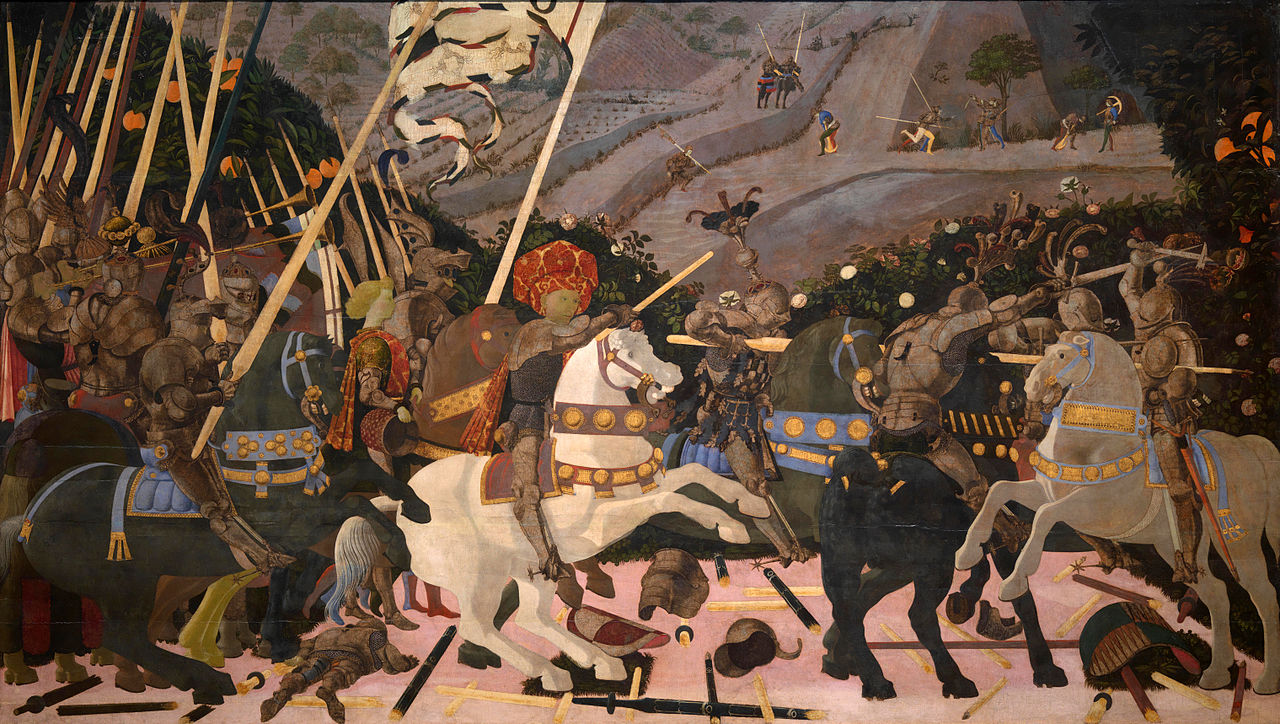
Overview
The year sits in the middle of the 15th century, a period of gradual political consolidation, religious conflict, and cultural change. It is not defined by a single, world-shaping event but rather by a web of regional developments: contested dynasties in western Europe, ecclesiastical councils addressing church reform, Ottoman advances in the Balkans, and Ming China's maritime activity in the Indian Ocean.
Notable political and military currents
- Western Europe continued to feel the aftereffects of the Hundred Years' War and regional rivalries; local skirmishes and shifting alliances persisted while centralized monarchies slowly strengthened.
- The Hussite Wars in Bohemia and related religious tensions in Central Europe were ongoing, and ecclesiastical bodies such as the Council of Basel (opened 1431) were active in debating reform and heresy.
- The Ottoman Empire under Murad II maintained pressure in southeastern Europe, influencing the balance of power in the Balkans and Anatolia.
Asia, exploration and trade
In East Asia the Ming court stabilized maritime expeditions that had, during the early 15th century, projected Chinese naval power into the Indian Ocean. These voyages had far-reaching diplomatic and commercial effects. Meanwhile, Eurasian overland trade routes continued to connect cultures, even as regional polities adapted to new economic patterns.
Culture, technology and society
The early Renaissance in Italy and evolving artistic traditions elsewhere created notable intellectual ferment. Manuscript production, scholarly correspondence, and local schools of art and law shaped elite culture. Technological and commercial changes — including improvements in navigation and crafts — were laying groundwork for larger transformations later in the century.
Legacy and context
1432 is best understood as a representative year of the late Middle Ages: one in which long-term processes — centralization of states, religious reform movements, maritime contact, and cultural renewal — moved forward incrementally. Specific local events and figures from this year contributed to transitions that would become more pronounced in the decades that followed.
Related articles
Author
AlegsaOnline.com 1432 — Leap Year in the Late Middle Ages Leandro Alegsa
URL: https://en.alegsaonline.com/art/111351