
1317 (year)
Overview of the year 1317 CE: its place in the early 14th century, major social and economic conditions (including the Great Famine), political and cultural context, and plain numeric facts.
1317 (MCCCXVII) was a year of the early 14th century in the Common Era and a common year of the Julian calendar. As an integer, 1317 factors as 3 × 439. The year sits near the close of a difficult decade for much of northern and central Europe and within a period of active political realignment across several regions.
Image gallery
1 Image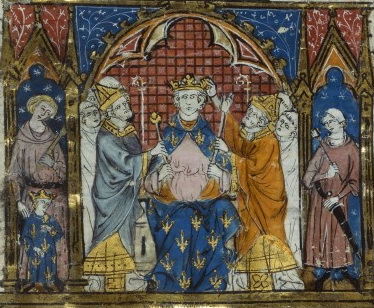
Broad context and conditions
1317 came at the end of the so‑called Great Famine (commonly dated 1315–1317), a multi‑year agricultural crisis caused by sustained bad weather, poor harvests and food shortages. The famine produced widespread hardship: grain prices rose sharply, mortality and malnutrition increased, and social strain in towns and countryside grew. These stresses shaped politics, migration and public health in ways that made later calamities, such as mid‑century epidemics, more devastating.
Politics and international affairs
Political life in 1317 was defined by ongoing contestation among monarchs, nobles and clerical authorities. In western Europe rulers confronted restless magnates and fiscal pressures; on the borders between kingdoms, long‑running disputes and military raiding continued. In other regions, established regimes preserved traditional structures while adapting to local pressures. The papacy, monarchies and regional courts remained central institutions for governance, diplomacy and legitimacy.
Culture, learning and religion
The early 14th century saw vigorous activity in universities, cathedral schools and monastic houses. Scholastic theology and legal study continued alongside growing use of vernacular languages in poetry, chronicles and practical writing. Artistic and architectural work proceeded in the Gothic idiom in many urban centers. Religious life remained a dominant cultural force, affecting daily routine, charity and the public rituals that structured community responses to crisis.
Key themes and significance
- End of the Great Famine and its demographic, economic and social consequences.
- Continued consolidation and rivalry among European polities and principalities.
- Ongoing intellectual activity at medieval universities and increased vernacular literature.
- Resilience and strain in agrarian economies that would shape responses to later shocks.
Records for individual births and deaths in 1317 are uneven by region. Contemporary chronicles, tax lists and legal documents remain the main sources historians use to identify significant persons active around this year. As a marker on chronological tables, 1317 helps historians place developments in climate, economy, political change and cultural production within the broader sweep of the 14th century.
Related articles
Author
AlegsaOnline.com 1317 (year) Leandro Alegsa
URL: https://en.alegsaonline.com/art/111248