
1298
1298 is a four-digit integer and the year 1298 CE in the late 13th century. Notable events include the Battles of Göllheim, Curzola, and Falkirk. As a number it factors as 2 × 11 × 59.
Overview
1298 denotes both a natural number and the year 1298 of the Common Era (MCCXCVIII). As a year in the late 13th century it is remembered for several military encounters and political changes in Europe, and as a number it has basic arithmetic properties that situate it among the composite even integers.
Image gallery
3 Images
Number properties
As an integer, 1298 is even and composite. Its prime factorization is 2 × 11 × 59. The number is not a perfect square or cube and has the digit sum 20. In number sequences it behaves as a standard composite value with the divisors associated with its prime factors.
Major events of the year 1298
Several military actions in 1298 had lasting consequences for regional power balances in Europe. Among the widely noted events are:
- Battle of Göllheim: A contest for the German kingship in which the contender Adolf of Nassau was defeated and killed; his rival Albert of Habsburg emerged with strengthened authority in the Holy Roman Empire.
- Battle of Curzola (Korčula): A naval engagement in the Adriatic between Genoa and Venice; the conflict produced captives, among whom was the Venetian trader Marco Polo, whose later imprisonment allowed him to dictate the tales that became widely circulated.
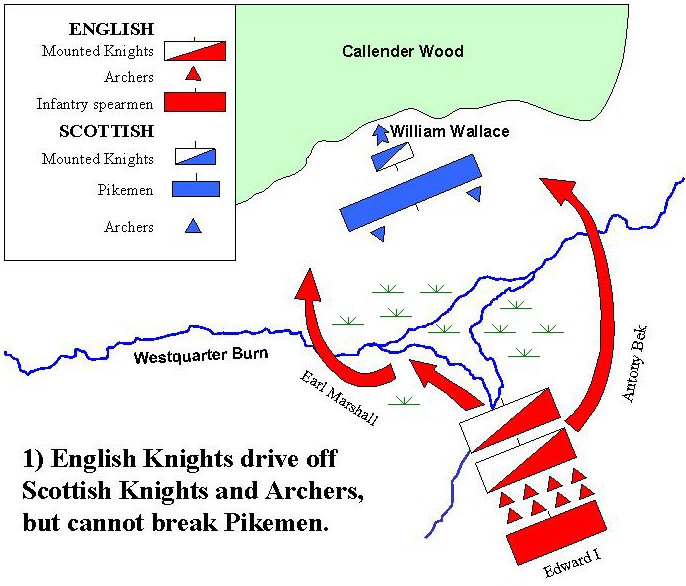
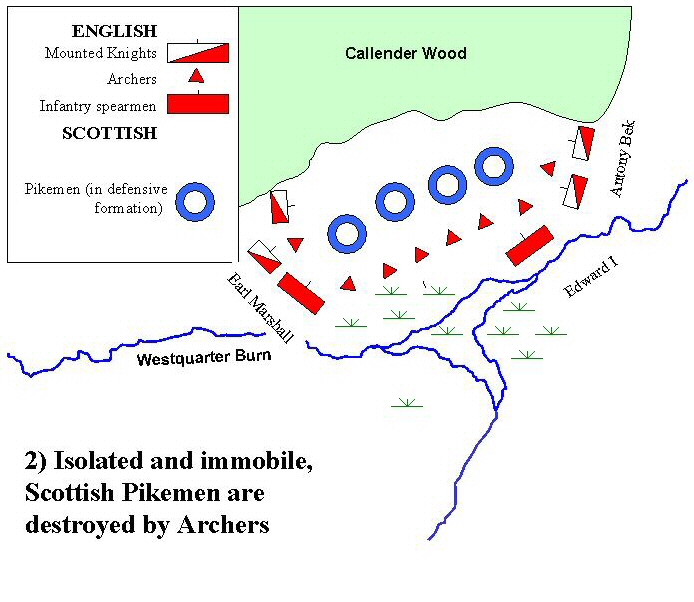
- Battle of Falkirk: In Scotland, forces led by King Edward I of England defeated Scottish resistance under William Wallace, weakening the organized Scottish military resistance for a time and altering the course of the First War of Scottish Independence.
Notable births and deaths
The year saw the death of important figures connected to the events above, most notably Adolf of Nassau, whose death in battle changed imperial succession politics. Other regional nobles and military leaders who rose or fell during this period contributed to the shifting map of medieval Europe.
Significance and legacy
1298 stands as an illustrative year of the late medieval period, when dynastic contests, naval rivalry, and territorial wars shaped kingdoms and merchant republics alike. Military outcomes from that year influenced succession in the Holy Roman Empire, maritime power in the Adriatic, and the course of Scottish resistance to English rule. As a number, 1298 serves unremarkably in arithmetic contexts but is readily described by its prime factors and basic numerical characteristics.
Related articles
Author
AlegsaOnline.com 1298 Leandro Alegsa
URL: https://en.alegsaonline.com/art/111221