
Year 1227 (MCCXXVII)
Calendar year 1227 CE marked by the death of Genghis Khan during the Mongol campaign, papal conflict with Emperor Frederick II, and regional political shifts across Eurasia.
Year 1227 (MCCXXVII) was a common year in the Julian system. It is noted chiefly for events that reshaped Eurasian power balances: the death of the Mongol Empire's founder and continuing tensions between the papacy and secular rulers in western Europe. For chronological context see Julian calendar references and medieval annals.
Image gallery
2 Images
Major events
The most consequential occurrence was the death of Temüjin, known as Genghis Khan, during operations against the Western Xia state. Contemporary sources differ about circumstances and the precise cause, but his death interrupted Mongol campaigns and began the process that led to a formal succession. The Mongol leadership convened a kurultai in the following years to confirm a successor.
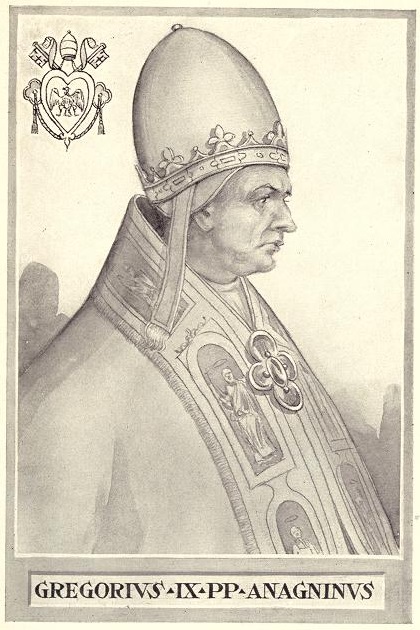
In western Europe Emperor Frederick II faced a serious clash with the papacy. He was excommunicated by Pope Gregory IX in connection with delays and disputes over his crusading vow. That conflict between imperial and papal authority shaped diplomatic and military planning in Italy and the Holy Land for the next few years.
Regional developments and impact
Across Eurasia, military campaigns, dynastic maneuvers and local rebellions continued to alter borders and allegiances. The Mongol expansion, although momentarily affected by the leader's death, remained the dominant force in Central Asia and far-reaching in its long-term consequences for trade, administration and interregional contact.
Notable births and deaths
- Deaths: Genghis Khan (Temüjin) is the most prominent recorded death of this year. Other regional leaders and nobles also died, but records are uneven.
- Births: Chronicle evidence for exact notable births in 1227 is limited; many medieval birthdates are approximate.
For further reading on the chronology and historiography of 1227 consult surveys of medieval history and specialized studies of the Mongol empire and papal-imperial relations. See a general chronological guide here or a thematic overview of the Mongol period here.
Related articles
Author
AlegsaOnline.com Year 1227 (MCCXXVII) Leandro Alegsa
URL: https://en.alegsaonline.com/art/111150