
1212 (year)
Overview of the year 1212 in the Julian calendar: chronology, major events such as the Battle of Las Navas de Tolosa and the so-called Children's Crusade, and its historical significance.
The year 1212 (written MCCXII) was a leap year that, in the Julian reckoning used across medieval Europe, began on a Sunday. In later chronological systems it is referenced as part of the Common Era and the Anno Domini count. It sits within the 2nd millennium, in the early decades of the 13th century and within the 1210s. Understanding 1212 benefits from remembering that the Julian calendar then in use treated every fourth year as a leap year and that regional chronologies and record-keeping varied widely.
Image gallery
1 Image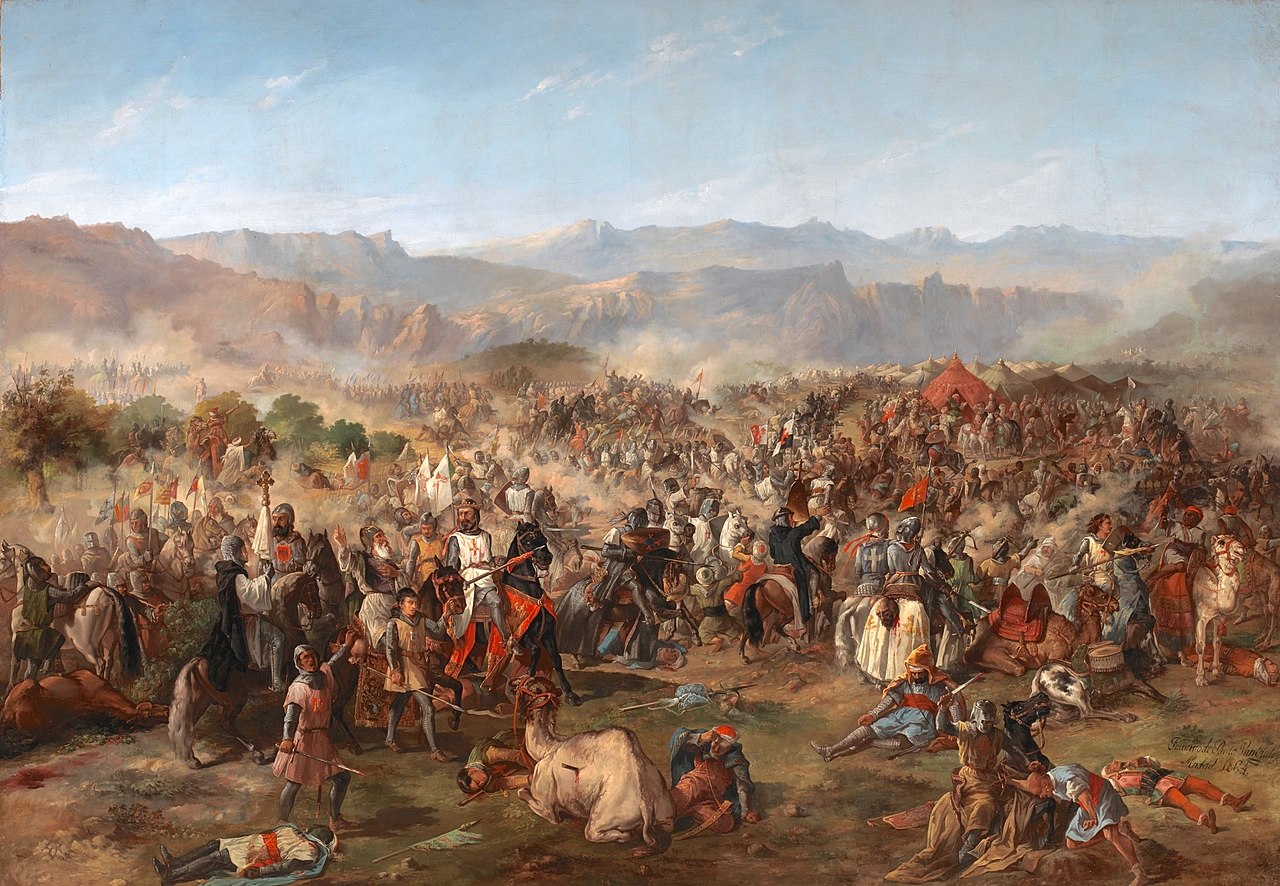
Context and chronology
Medieval Europe in 1212 was marked by dynastic rivalries, religiously framed warfare, and social strains from population growth and economic change. The political map included powerful kingdoms (Castile, France, England), the papacy, and a fragmented Holy Roman Empire. Outside Europe, states and empires in the Islamic world, Byzantium, and East Asia experienced their own cycles of conflict and consolidation. Contemporary sources for 1212 are uneven: chronicles, letters, and later historiography shape our view and sometimes reflect regional bias or legend.
Notable events
- Battle of Las Navas de Tolosa (July 1212) — A major military engagement in the Iberian Reconquista in which a coalition of Christian forces defeated the Almohad Muslim rulers. This victory is widely regarded as a turning point that opened Andalusian territory to Christian advances in subsequent decades.
- The "Children's Crusade" (summertime 1212) — Accounts record movements of mainly young people in France and the German lands who set out believing divine favour would reach the Holy Land. Historians treat these narratives cautiously: later chronicles amplified numbers and motives, and many participants suffered exploitation, dispersal, or death rather than arriving in the Levant.
- Other developments — Local conflicts, ecclesiastical decisions, and shifting noble alliances across Europe continued to reshape authority. Maritime trade and urban growth proceeded unevenly, feeding changes in law, finance, and social life.
Culture, society and legacy
Daily life in 1212 combined subsistence agriculture for most people with rising urban craft and market activity in towns. Literacy remained limited but clerical and monastic institutions were major centers of learning and record keeping. The events associated with 1212 — military victory in Spain and the popular, tragic religious enthusiasm of the Children's Crusade — have echoed in historical memory as examples of both political turning points and the social forces that shaped medieval Europe.
How historians approach 1212
Modern scholars use comparative chronicle evidence, archaeology, and careful source criticism to separate contemporaneous fact from later legend. Key topics for research include the military and political consequences of Iberian battles, the social causes and outcomes of popular crusading movements, and the ways regional records calibrated time using the Julian calendar. For further summaries and source collections see general reference guides and specialized studies on medieval Iberia and crusading movements (chronology and calendars, numismatic and textual resources).
Related articles
Author
AlegsaOnline.com 1212 (year) Leandro Alegsa
URL: https://en.alegsaonline.com/art/111135