
1207 (year)
Summary of the year 1207 CE: its calendar placement, political and cultural context in the High Middle Ages, papal and English tensions, early Mongol expansion, and broader social and institutional trends.
1207 (MCCVII) was a common year beginning on Monday in the Julian calendar. It is numbered 1207 in the Anno Domini era and the Common Era, situated in the second decade of the 13th century and the second millennium. The dating and calendar form used in contemporary records relied on the Julian system then current across most of Europe. For calendrical context see MCCVII, Monday and the Julian calendar.
Image gallery
1 Image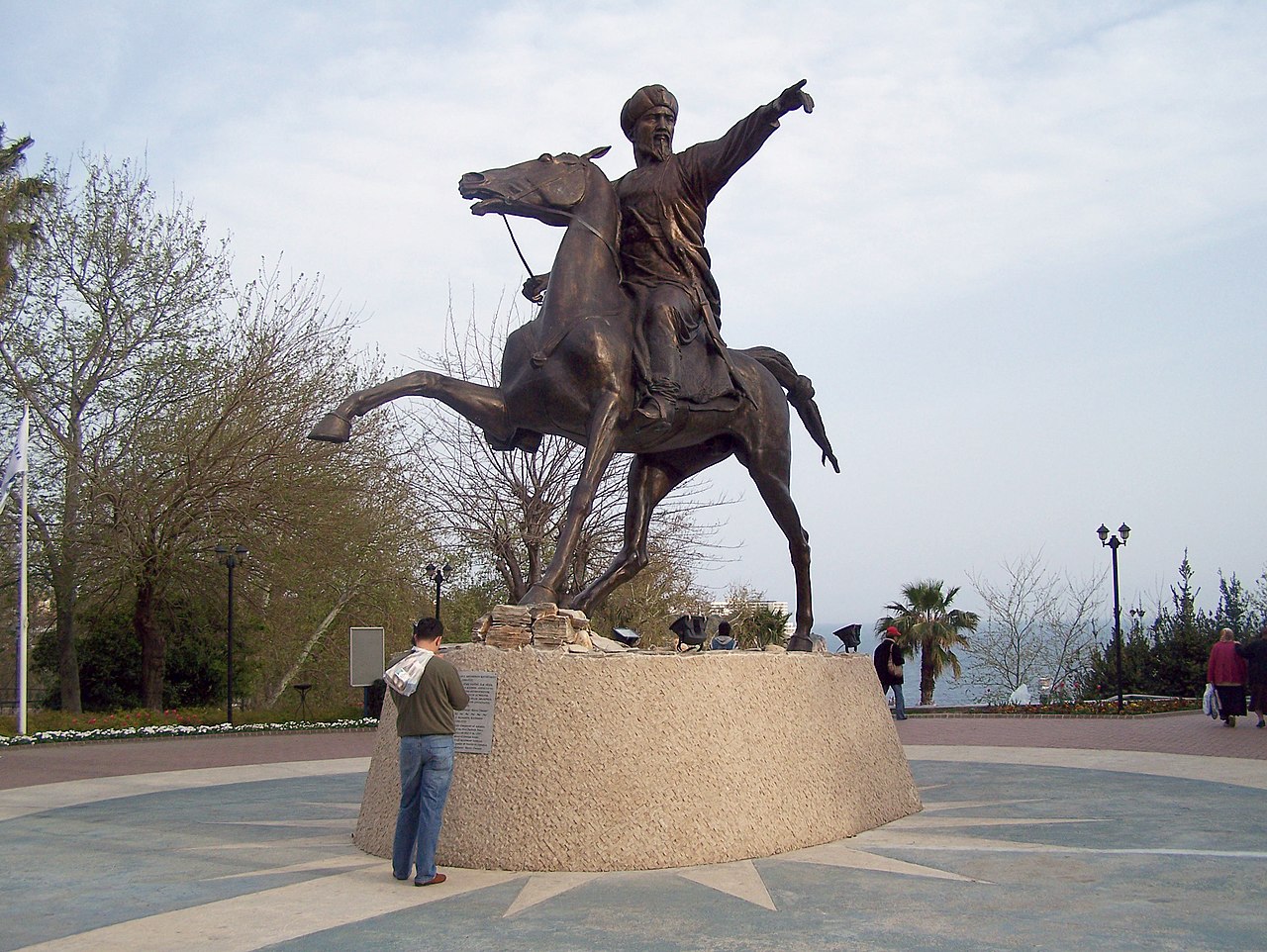
Overview and political climate
The year falls within the High Middle Ages, a period marked by growing centralization of monarchies, an assertive papacy, expanding trade networks, and the aftermath of crusading ventures. The papacy of Innocent III (1198–1216) exerted strong influence over European politics, while rulers such as King John of England and King Philip II of France navigated disputes over authority, land and law. The year is described in the wider framework of the Common Era and the Anno Domini chronology.
Notable developments and tensions
Religious and political tensions characterized this period. One prominent episode around this time involved Pope Innocent III and the English crown: the pope appointed clerical figures whose selection clashed with royal preferences, producing prolonged disputes that had consequences for church-state relations in England. In the Eastern Mediterranean the Latin states established after the Fourth Crusade (1202–1204) were still consolidating holdings and alliances.
Wider world and movements
Beyond Western Europe, the early decades of the 13th century saw the emergence of the Mongol polity under Genghis Khan, whose campaigns and diplomatic contacts in Central and East Asia would soon have broad repercussions across Eurasia. Meanwhile, the Iberian Peninsula continued its gradual Reconquista dynamics, and maritime republics and trading cities in the Mediterranean and North Sea regions strengthened commercial links.
Cultural and institutional trends
The early 1200s witnessed growth in learned institutions, urbanization and architectural change: cathedral-building advanced Gothic styles in parts of Europe while Romanesque features persisted elsewhere. Commercial expansion encouraged the development of towns, guilds and legal customs that would shape later medieval society. Many of these processes were incremental and visible across decades rather than tied to a single year.
Chronological placement and significance
As the 207th year of the 2nd millennium and the 7th year of the 13th century, 1207 sits within a transformative century. The year is a waypoint in long-term trends—papal authority, state formation, crusading legacies, and cross-continental contacts—that defined medieval Eurasian history. For reference to its broader century and millennium contexts see 2nd millennium and 13th century.
- Calendar type: Julian; year-start weekday: Monday.
- Historical setting: High Middle Ages, papacy of Innocent III, early Mongol expansion.
- Cultural notes: continuing cathedral-building, urban growth, and institutional developments.
Related articles
Author
AlegsaOnline.com 1207 (year) Leandro Alegsa
URL: https://en.alegsaonline.com/art/111129