
1189
Year 1189 (MCLXXXIX): a late 12th‑century year notable for the opening of the long Siege of Acre, the accession of Richard I in England and rising crusading fervor with social and political consequences across Europe.
1189 (MCLXXXIX) was a year in the late 12th century of the Julian calendar. It falls into a period marked by intensive interaction between Western Europe and the eastern Mediterranean following the loss of Jerusalem to Saladin in 1187. The year is best remembered for events that helped set the stage for the Third Crusade and for political transitions in western kingdoms.
Image gallery
1 Image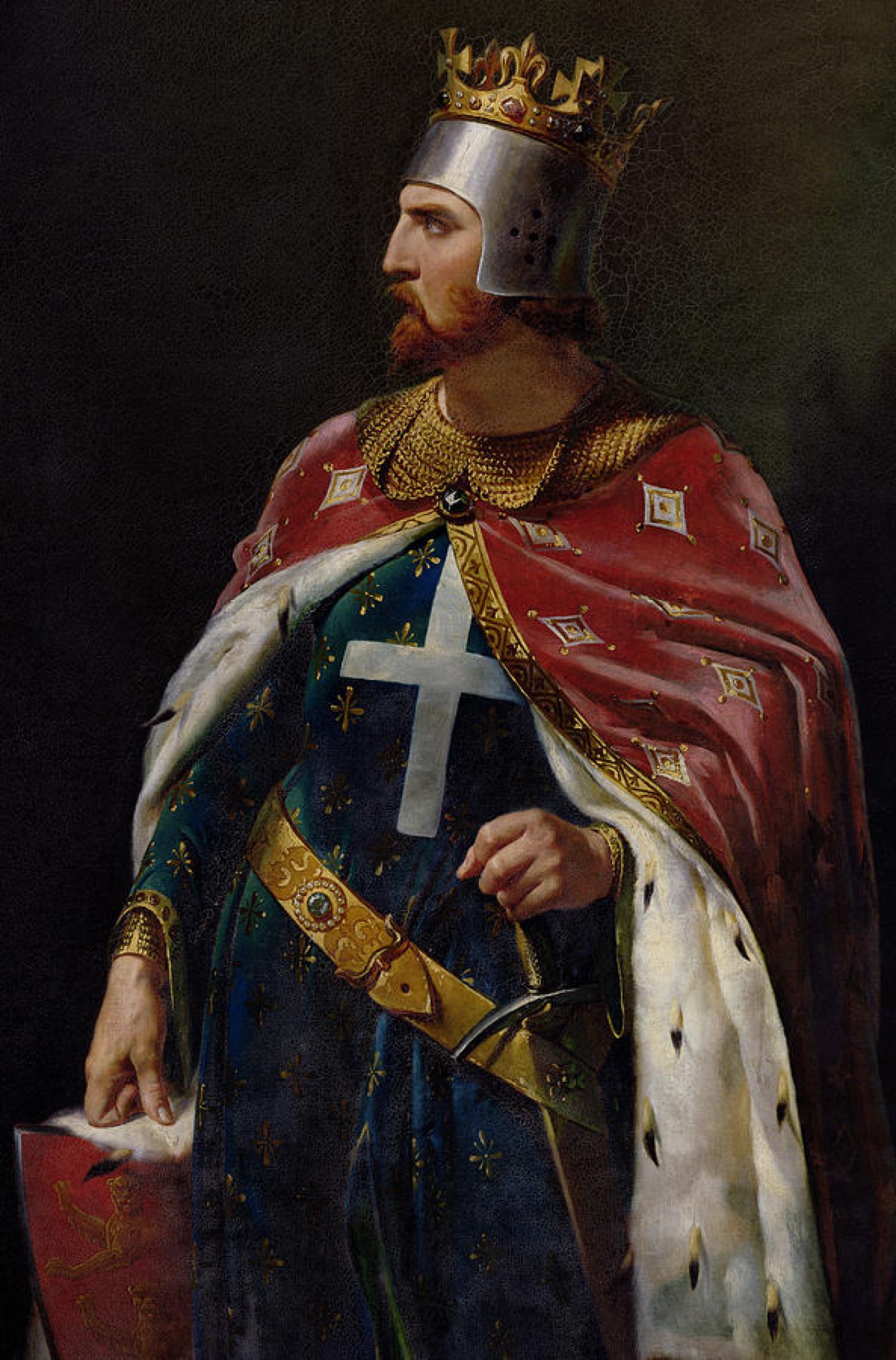
Major events
- The Siege of Acre began in 1189: a prolonged and strategically significant siege in the Levant that drew knights and resources from several European states and continued into the early 1190s.
- Succession in England: following the death of King Henry II, his son Richard succeeded to the English throne in 1189, becoming one of the principal western monarchs associated with the forthcoming crusade.
- Mobilization for a new crusade: rulers and nobles across France, England and the Holy Roman Empire answered papal and popular appeals to recover Jerusalem, leading to large-scale recruitment, fundraising and diplomatic activity during 1189.
The political backdrop included rising tensions and shifting alliances among European monarchs, who balanced domestic affairs with the logistical and financial demands of overseas campaigning. Contemporary papal letters and sermons urged military relief for the Levant, while monarchs negotiated loans, ships and contingents.
Social and economic effects
Crusading enthusiasm had significant social consequences at home. Jewish communities in parts of Western Europe experienced attacks and intimidation associated with fervent popular movements; these incidents foreshadowed worse outbreaks that continued into the early 1190s. Financing crusading expeditions also strained treasuries: taxation, the sale of offices, pledging of revenues and borrowing became more widespread as kings and lords sought to equip forces for distant operations.
In the Levant, the Siege of Acre transformed the region into a focal point for international military cooperation and rivalry. Its lengthy nature, high casualty toll and strategic importance made Acre a central issue in negotiations, naval operations and the eventual arrangements that followed the Third Crusade.
Legacy and notable facts
Historically, 1189 is seen as a hinge year that intensified confrontation between Latin Christendom and Muslim polities in the eastern Mediterranean, while also prompting internal political shifts in Europe. The year is remembered less for a single decisive battle than for the large-scale mobilization, political succession and social disturbances it helped trigger.
Related articles
Author
AlegsaOnline.com 1189 Leandro Alegsa
URL: https://en.alegsaonline.com/art/111104