
1058 (Year)
Overview of the year 1058 (Julian calendar): major political changes, papal succession, events in Scotland and Europe, wider medieval context, and notable births and deaths.
Year 1058 was a common year beginning on Thursday in the Julian calendar. It falls in the middle of the 11th century, a period marked by shifting dynasties, church reform, and the rise of new powers across Europe and the Near East. For calendar details see the full year view here and information on the Julian system here.
Image gallery
1 Image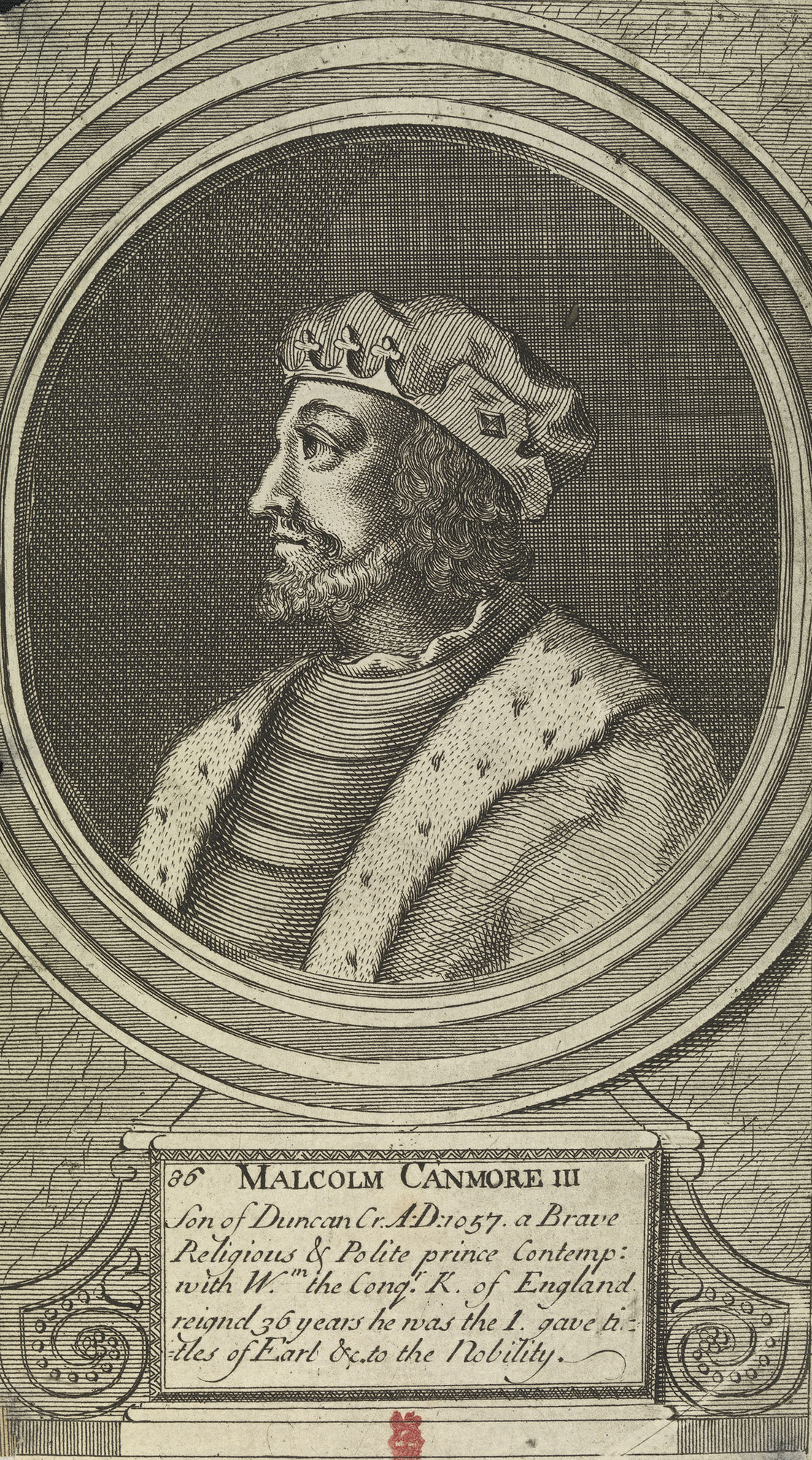
Political changes and events
In northern Britain the Scottish throne changed hands: Lulach, who had succeeded Macbeth, died and was replaced by Malcolm III (Malcolm Canmore). This succession consolidated a line that would dominate Scotland for decades. In the papacy, Pope Stephen IX died in 1058; his death precipitated a contested election that led to the rise of Benedict X, later regarded by many historians as an antipope. These developments occurred against a backdrop of growing calls for ecclesiastical reform across Western Europe.
Wider medieval context
Across the continent feudal institutions continued to shape politics: dukes and counts expanded local authority while kings sought to centralize power. In the eastern Mediterranean and the Islamic world the Seljuk Turks were consolidating influence that would alter political balances in Anatolia and Mesopotamia in the coming decades. Meanwhile the Byzantine Empire and western principalities maintained complex diplomatic and military interactions.
Culture and society
The mid-11th century saw ongoing developments in monastic reform, liturgy, and ecclesiastical law that influenced education and administration. In East Asia, the Song dynasty continued to be a center of technological, economic and cultural activity; in many regions urban growth, craft production and long-distance trade were increasing, setting patterns that would shape later medieval history.
Notable births and deaths
- Deaths recorded in this year include Pope Stephen IX and Lulach of Scotland, whose successors played important roles in their realms.
- Other local rulers and nobles across Europe and the Near East who died or rose to prominence during 1058 contributed to regional shifts of power that were typical of the period.
Significance: while 1058 has no single globally defining event, it exemplifies mid-11th-century dynamics—church reform and contested papal elections, dynastic change in the British Isles, and the gradual rise of new military and political forces in the Near East. These trends set the stage for later, well-known developments such as the Norman consolidation in England and the larger conflicts between Byzantium and emerging Turkish powers.
Related articles
Author
AlegsaOnline.com 1058 (Year) Leandro Alegsa
URL: https://en.alegsaonline.com/art/110965