
1079 (year)
1079 was a common year starting on Tuesday of the Julian calendar, placed in the High Middle Ages and framed by political and cultural shifts across Europe, Byzantium, the Seljuk realm and Song China.
Overview
The year 1079 (MLXXIX, see Roman numeral) falls in the High Middle Ages and is recorded in the Anno Domini system. In the Julian calendar it was a common year beginning on Tuesday; a visual depiction of the sequence of days for that year can be found in the full calendar. Contemporary chronicles treat individual years as markers for regional events rather than as part of a single global narrative.
Image gallery
1 Image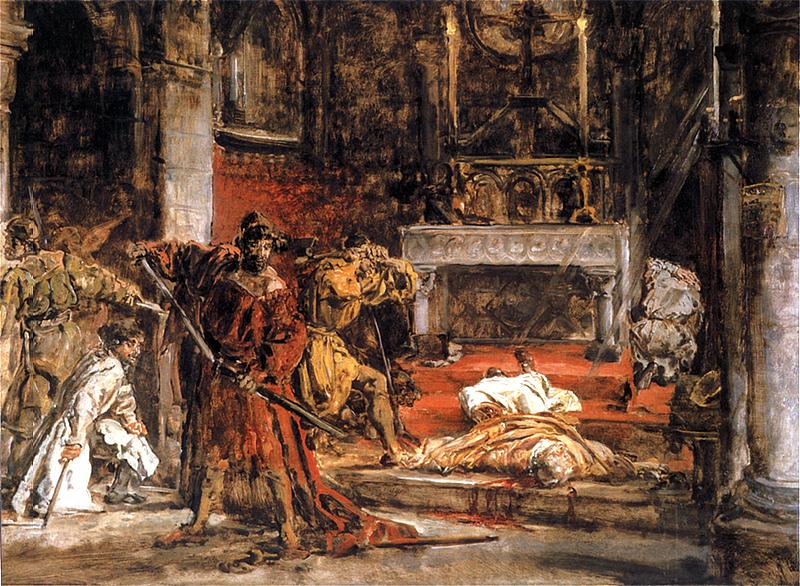
Calendar and dating
Dating in 1079 uses the medieval Christian era (Anno Domini). The underlying calendar was the Julian calendar, which remained in widespread use in Europe and in parts of the Near East until the later adoption of the Gregorian reform. A "common year starting on Tuesday" indicates the year's weekday pattern: it had 365 days and began on what modern reckoning calls Tuesday.
Political and regional context
- Western Europe: The aftermath of the Norman Conquest and the gradual consolidation of Norman, feudal and royal authority continued to shape England and parts of France.
- Byzantine Empire: The empire experienced political change and military pressure in the late 11th century, with emperors and generals navigating internal factionalism and external threats.
- Seljuk and Islamic world: The Seljuk Sultanate had become a dominant power in much of Persia and Mesopotamia, influencing politics, administration and scholarship across the Islamic lands.
- China (Song dynasty): The Northern Song court oversaw administrative and fiscal reforms and a rich cultural life; literati discourse and state policy were important themes of the period.
Culture, religion and economy
The late 11th century saw the spread of Romanesque architecture in Western Europe, the persistence of monastic reform movements, and intellectual exchanges that presaged later scholastic development. Trade networks within Eurasia continued to connect cities and courts, while agrarian life and feudal obligations shaped most people’s daily experience.
Importance and later perspective
As a single year, 1079 functions mainly as a chronological waypoint within broader 11th‑century transformations: the consolidation of medieval polities, shifting balances between church and state, and cultural currents in both Europe and Asia. Historians use such years to anchor more detailed narratives about leaders, institutions and long‑term trends.
Further reading
For calendrical detail and lists of events traditionally associated with this year, consult specialized chronologies and year-by-year historical compendia that compile regional annals, ecclesiastical records and archaeological findings.
Related articles
Author
AlegsaOnline.com 1079 (year) Leandro Alegsa
URL: https://en.alegsaonline.com/art/110985