
1067 — Year of Norman consolidation and 11th-century transitions
1067, the year after the Norman Conquest, saw consolidation of Norman rule in England, continuing Norman expansion in southern Italy, and ongoing ecclesiastical and political shifts across Europe and Asia.
Overview
1067 falls in the immediate aftermath of the Norman Conquest of England (1066) and represents a period of consolidation and adjustment across parts of Europe and the Mediterranean. Rather than a year defined by a single dramatic event, it is notable for administrative reorganization, the establishment of military and lordly control in newly conquered territories, and continuing movements in church reform and regional politics.
Image gallery
1 Image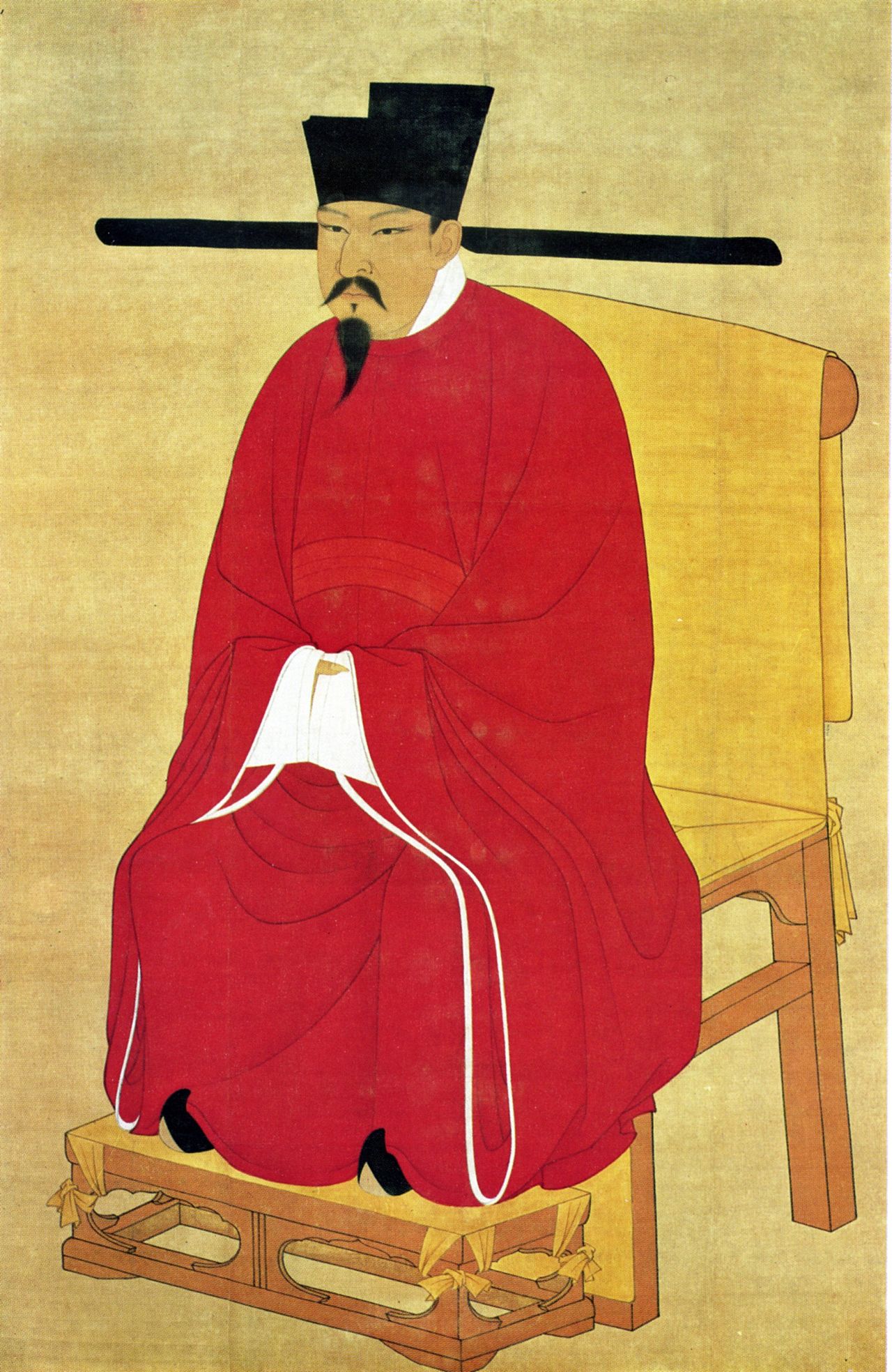
England and the Normans
In England the new regime under William of Normandy and his principal followers began the work of securing power. Lands taken from Anglo-Saxon nobles were being reassigned to Norman supporters, and the construction of fortifications—especially motte-and-bailey castles—accelerated to project authority and deter resistance. Norman stewards and sheriffs started to supervise taxation and local courts, laying foundations for longer-term administrative change. Many displaced English aristocrats fled, submitted, or negotiated new positions under Norman overlords.
Rebellion, exile and local response
Resistance to Norman rule continued at local levels. Some English leaders and communities resisted dispossession, while others sought support from neighboring powers. A number of Anglo-Saxon nobles went into exile or sought alliances abroad; the social disruption of land redistribution and shifting loyalties marked the countryside as much as the royal household.
Continental and Mediterranean developments
- Southern Italy: Itinerant Norman adventurers and established Norman rulers continued to expand influence in southern Italy and Sicily, competing with Byzantine, Lombard, and Islamic polities for territory and authority.
- Mainland Europe: Various principalities and duchies were engaged in dynastic consolidation, local warfare, and alliances that reshaped regional power balances.
- Islamic and Byzantine realms: In the eastern Mediterranean and Iberia, Muslim polities and the Byzantine Empire managed their own cycles of conflict, diplomacy, and cultural exchange.
Church, reform and culture
The mid-11th century saw ongoing reform movements within the Latin Church, driven by concerns about clerical discipline, simony and lay influence over appointments. Monastic networks and cathedral schools contributed to intellectual and liturgical renewal. Architecturally, Romanesque forms and new ecclesiastical building programs began to spread across western Europe.
Broader international context
Beyond Europe, established states such as the Song dynasty in China and the Heian court in Japan continued their cultural and administrative trajectories largely independent of western events. In the broader Eurasian world, military, commercial and religious exchanges, along with nomadic movements, were part of a dynamic and interconnected medieval landscape.
Importance and legacy
As a transitional year, 1067 illustrates the immediate aftermath of conquest: consolidation by military and administrative means, displacement and adaptation of elites, and ongoing religious and cultural reforms. The processes visible in this year contributed to longer-term changes in governance, law, landholding patterns, and cultural synthesis, especially in England where Norman and Anglo-Saxon institutions gradually merged.
Related articles
Author
AlegsaOnline.com 1067 — Year of Norman consolidation and 11th-century transitions Leandro Alegsa
URL: https://en.alegsaonline.com/art/110973