
Year 1057 (MLVII)
An overview of the calendar year 1057, its political and cultural context in the mid-11th century, and notable developments and figures across Europe, the Near East and East Asia.
1057 (MLVII) was a common year of the Julian calendar. Its placement in the middle of the 11th century situates it within the High Middle Ages, a period of shifting political boundaries, dynastic contests and cultural exchange across Eurasia and North Africa. The year is recorded in surviving chronicles mainly for local successions, military encounters and the ongoing movements that would reshape medieval states.
Image gallery
1 Image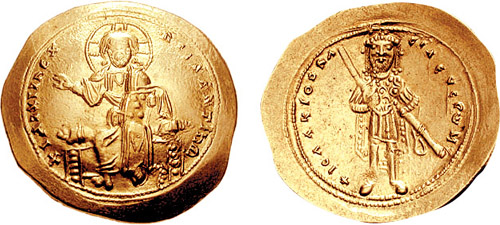
Calendar and notation
The year 1057 is described in modern reconstructions as a common year starting on Wednesday; see the reconstructed year layout at calendar reference. Contemporary Western and Byzantine sources used the Julian calendar, while other regions relied on local regnal or lunar systems for dating.
Political and military context
Across Europe, power rested with regional dynasts rather than centralized nation-states. In Scotland, medieval chronicles record that King Macbeth was killed in 1057, an event that helped Malcolm III consolidate rule. Norman influence in northern France and southern Italy continued to grow during this decade. In the eastern Mediterranean and Anatolia the Byzantine Empire faced mounting pressure from Turkic groups and internal political strains, trends that would accelerate in subsequent decades.
East Asia and other regions
In China the Song dynasty maintained sophisticated administrative and cultural institutions; the mid-11th century saw continued advancements in literature, technology and commerce. Across West Africa, the Ghana Empire and trans-Saharan trade networks remained important, while in Mesoamerica and the Andes regional polities pursued their own complex developments independent of Eurasian events.
Notable facts and people
- Several regional rulers and nobles changed hands in 1057 as local succession disputes and battles occurred.
- Contemporary chroniclers are the primary sources for events of this year; interpretation often depends on later medieval compilation.
Because surviving evidence is uneven, many events of 1057 are best understood as parts of longer trends—dynastic shifts, territorial consolidation, and cultural continuity—rather than isolated turning points. For broader chronological context consult general medieval timelines and specialized regional studies.
Related articles
Author
AlegsaOnline.com Year 1057 (MLVII) Leandro Alegsa
URL: https://en.alegsaonline.com/art/110964