
Year 1024 (MXXIV)
Year 1024 (MXXIV) was a common year of the Julian calendar marked by a dynastic change in the Holy Roman Empire and events across medieval Europe and Asia.
Overview
The year 1024 (MXXIV) was a common year in the Julian calendar, then the standard civil calendar in much of Europe. It falls within the early medieval period, near the start of the second millennium and in the middle of the 2nd millennium and the 11th century. Contemporary records are uneven, but surviving chronicles and later histories identify 1024 as a year of political transition and continued cultural development across different regions.
Image gallery
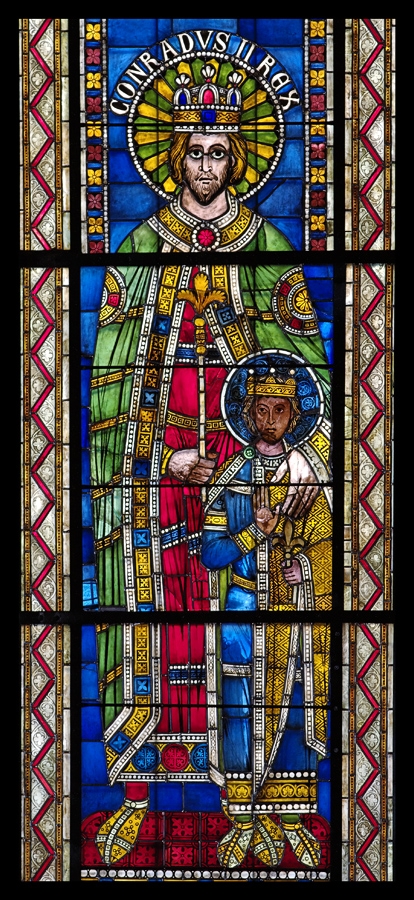
2 Images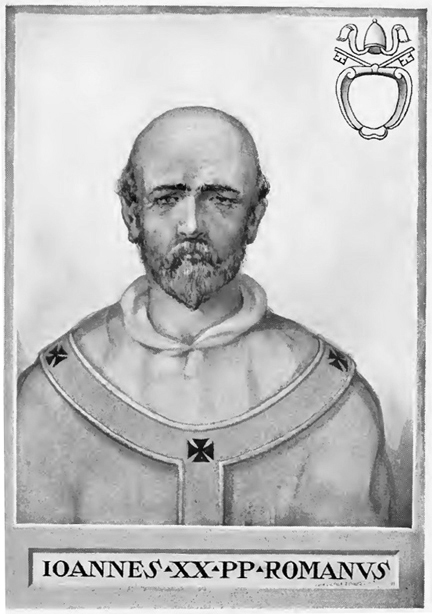
Political developments
One of the most consequential events in western and central Europe was a change in imperial leadership within the realm of the German kings and emperors. The ruling line associated with the Ottonian dynasty came to an end when its last incumbent died in 1024, and a new dynasty began when a German nobleman from the Salian family was chosen as king later that year. This transition affected relationships among regional princes, bishops and neighboring kingdoms, and set the stage for policy shifts in the decades that followed. For contemporary calendrical context see the Julian calendar and for the imperial polity see the Holy Roman Empire.
Regional contexts and examples
Elsewhere in Europe, Scandinavian and Anglo-Scandinavian realms remained influential. The North Sea and Baltic connections fostered trade, political alliances and movement of people, while Iberian and Mediterranean frontiers continued to be shaped by Christian–Muslim encounters. In East Asia, established dynasties pursued administrative and cultural policies that sustained urban life and commerce. Records from many regions are fragmentary, so specific events are often reconstructed from chronicles, legal documents and archaeological evidence.
Culture, economy and society
The early 11th century saw continued growth of agrarian economies, monastic reform movements and the consolidation of episcopal authority in many areas. Crafts, long-distance trade and coin use expanded slowly. Intellectual life in monastic and court settings preserved classical learning while producing chronicles, charters and liturgical texts that are key sources for modern historians studying 1024.
Notable facts and legacy
- 1024 is remembered primarily for the imperial succession in the German lands and the political consequences that followed.
- As a number, 1024 equals 2 to the 10th power (2^10); this property makes it familiar in modern computing and data measurements.
- Contemporary and near-contemporary sources for this year include royal diplomas, church records and regional annals; interpreting them requires careful comparison.
For readers seeking introductions or primary-source compilations, many modern surveys and editions of chronicles provide accessible entry points (chronicle and calendar context, imperial history). Broader chronological context is available under entries for the 2nd millennium and the 11th century.
Related articles
Author
AlegsaOnline.com Year 1024 (MXXIV) Leandro Alegsa
URL: https://en.alegsaonline.com/art/110931