
1028 (MXXVIII)
1028 (MXXVIII) was a common year of the Julian calendar in the 2nd millennium and 11th century. It saw political change in Byzantium and formed part of the wider medieval landscape of regnal rule and regional kingdoms.
Overview
The year 1028 (MXXVIII) was a common year under the Julian calendar. It falls in the second decade of the 11th century and in the early part of the Medieval period. Contemporary people more often dated events by the reigns of kings and emperors rather than by the ordinal year number that modern historians use.
Image gallery
2 Images
Calendar and numbering
Described as a "common year," 1028 contained 365 days under the Julian system, which added a leap day every fourth year. The label "1028" belongs to the Anno Domini era, which later became the standard in Europe for numbering years. More broadly, this year is part of the 2nd millennium and the 11th century. For quick reference, sources sometimes note the year as MXXVIII in Roman numerals.
Notable events and political change
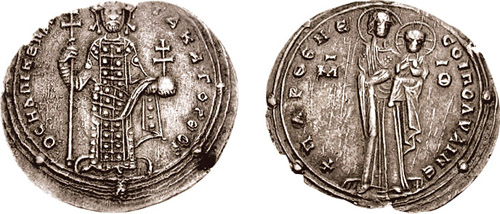
One of the most consequential developments in 1028 occurred in the Byzantine world, where the elderly ruler who had been the senior figure of the imperial household died and a new emperor assumed power. That transition affected court politics and the empire's relations with neighboring states. Elsewhere, established dynasties in Western Europe and East Asia continued their routines of marriage alliances, local warfare, and administration.
Rulers and prominent figures
- Byzantine Empire: a succession took place among the imperial household, altering leadership in Constantinople.
- Holy Roman Empire: imperial authority under Conrad II remained an organizing force in central Europe.
- Song China and other regional polities: rulers consolidated control and managed civil and military affairs.
Context and significance
Although not a year marked by a single continent-spanning event, 1028 illustrates how medieval history is often composed of dynastic changes, legal reforms, and local conflicts. The calendar designation helps modern readers place those changes in chronological sequence. For additional chronological and calendar detail see general references on the common year practice and millennium counting.
Further reading
To explore primary narratives and later summaries of events around 1028, consult major chronicles and modern syntheses that treat the early 11th century across Byzantium, Western Europe, and East Asia. Useful starting points include summaries of imperial successions and regional political histories.
Julian calendar • Common year conventions • 2nd millennium overview • 11th century context
Related articles
Author
AlegsaOnline.com 1028 (MXXVIII) Leandro Alegsa
URL: https://en.alegsaonline.com/art/110934