
Zwischbergen — Swiss alpine municipality in Valais
Zwischbergen is a small, mountainous municipality in the district of Brig, canton of Valais, Switzerland, known for its high alpine terrain, the village of Gondo and cross‑border trails.
Overview
Zwischbergen is a sparsely settled alpine municipality in the district of Brig and forms part of the canton of Valais. Its name, which can be translated from German as "between mountains," reflects its location high in the Swiss Alps near the international border with Italy. The municipality includes small villages and hamlets set in steep valleys and rugged terrain.
Image gallery
5 Images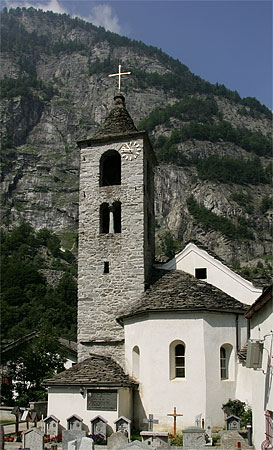


Geography and landscape
Zwischbergen occupies a largely mountainous area characterized by steep valley walls, glaciers on higher slopes, and several notable summits. The region is part of the Lepontine Alps and sits near prominent peaks such as Monte Leone and other alpine massifs. Its landscape is marked by alpine meadows, scree fields and high‑altitude pastures, making it a typical high‑mountain environment of southern Valais.
History and settlement
Settlement in Zwischbergen has traditionally been small and adapted to the alpine environment. Villages acted as mountain farming communities and as stopping points on transalpine routes linking Upper Valais with valleys to the south. Over centuries, local livelihoods combined pastoralism, seasonal alpine agriculture and small‑scale trade with neighbouring Italian valleys.
Economy, recreation and importance
The local economy today blends traditional mountain agriculture with services oriented toward visitors. Zwischbergen attracts hikers, mountaineers and nature lovers who come for marked trails, alpine climbing and scenic routes. The historic village of Gondo and nearby passes contribute to the area’s appeal as a destination for low‑intensity tourism and outdoor activities.
Access and points of interest
Access is by mountain roads and trails from the valley floor; the nearest major transport hub is the town of Brig. Practical points of interest include the village centres, high mountain trails and border‑area routes that connect to neighbouring Italian valleys. For further local information see municipal sources and regional guides.
- Village centres and traditional alpine architecture.
- Hiking and mountaineering routes in the Lepontine Alps.
- Scenic border landscapes and cross‑valley trails.
- Regional services and visitor information via the canton and national portals: Valais and Switzerland.
Related articles
Author
AlegsaOnline.com Zwischbergen — Swiss alpine municipality in Valais Leandro Alegsa
URL: https://en.alegsaonline.com/art/110809
Sources
- bfs.admin.ch : "Arealstatistik Standard - Gemeinden nach 4 Hauptbereichen"
- pxweb.bfs.admin.ch : "Bilanz der ständigen Wohnbevölkerung nach institutionellen Gliederungen, Staatsangehörigkeit (Kategorie), Geschlecht und demographischen Komponenten"