
Zuko — Exiled prince and redemption arc from Avatar: The Last Airbender
Zuko, an exiled Fire Nation prince from Avatar: The Last Airbender, is known for his complex redemption arc, firebending skills, and cultural impact. Voiced by Dante Basco; played by Dallas Liu in the Netflix remake.
Overview
Zuko is a central fictional character in the animated series Avatar: The Last Airbender. Introduced as an exiled prince of the Fire Nation, he begins the story obsessed with regaining his honor by capturing the Avatar. Over the course of the series he transforms from antagonist to ally, becoming one of the franchise's most discussed examples of a well-developed redemption arc. For an official character summary see the character page.
Image gallery
3 Images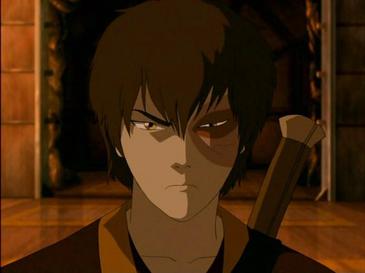


Appearance, personality and abilities
Zuko is recognizable by his damaged left eye and the prominent facial scar that marks his early trauma and family conflict. His personality is marked by intense ambition, inner turmoil, and eventual self-reflection. As a firebender he draws power from internal energy and emotion; early in the story his aggression and anger fuel his bending, while later he learns to channel calmer, more principled motivations.
- Firebending: skilled combatant and tactician, trained by Fire Nation masters.
- Emotional arc: shifts from shame and anger toward responsibility and empathy.
- Leadership: matures into a figure focused on reconciliation and rebuilding.
Creation and portrayal
The character was created by Michael Dante DiMartino and Bryan Konietzko; both creators contributed to Zuko's visual and narrative design as part of the show's broader worldbuilding. The animated Zuko is voiced by actor Dante Basco, whose performance helped define the role. A live-action adaptation cast Dallas Liu as Zuko, reflecting renewed interest in reinterpreting the character for new audiences. More on the creators: Michael Dante DiMartino and Bryan Konietzko.
Role in the story
Zuko's journey traces themes of honor, identity, and forgiveness. Initially an antagonist pursuing the Avatar, his path includes exile, mentorship under his uncle, moral questioning, and ultimately alliance with the protagonists. This progression resolves personal family conflicts and connects to the series' larger themes about balance, leadership, and healing after war.
Legacy and notable facts
Zuko is frequently cited in discussions of complex character development in animation. Critics and fans praise the realism of his emotional evolution and the way the series explores how personal change affects political responsibility. He remains a touchstone in conversations about redemption narratives and character-driven storytelling in modern animated television.
Related articles
Author
AlegsaOnline.com Zuko — Exiled prince and redemption arc from Avatar: The Last Airbender Leandro Alegsa
URL: https://en.alegsaonline.com/art/110756