
Yvorne — municipality in the Aigle district, canton of Vaud, Switzerland
Yvorne is a small municipality in the Aigle district of the canton of Vaud, Switzerland, noted for vineyards, agriculture and views of the Rhône valley and nearby Alps. Local life centers on wine and outdoor recreation.
Overview
Yvorne is a municipality in the Aigle district within the canton of Vaud and part of the broader Swiss context of Vaud and Switzerland. It occupies a rural position at the foot of alpine slopes, where cultivated terraces, vineyards and village settlements form a distinctive local landscape. The settlement combines traditional farmsteads with housing serving commuters and local workers.
Image gallery
5 Images



Geography and landscape
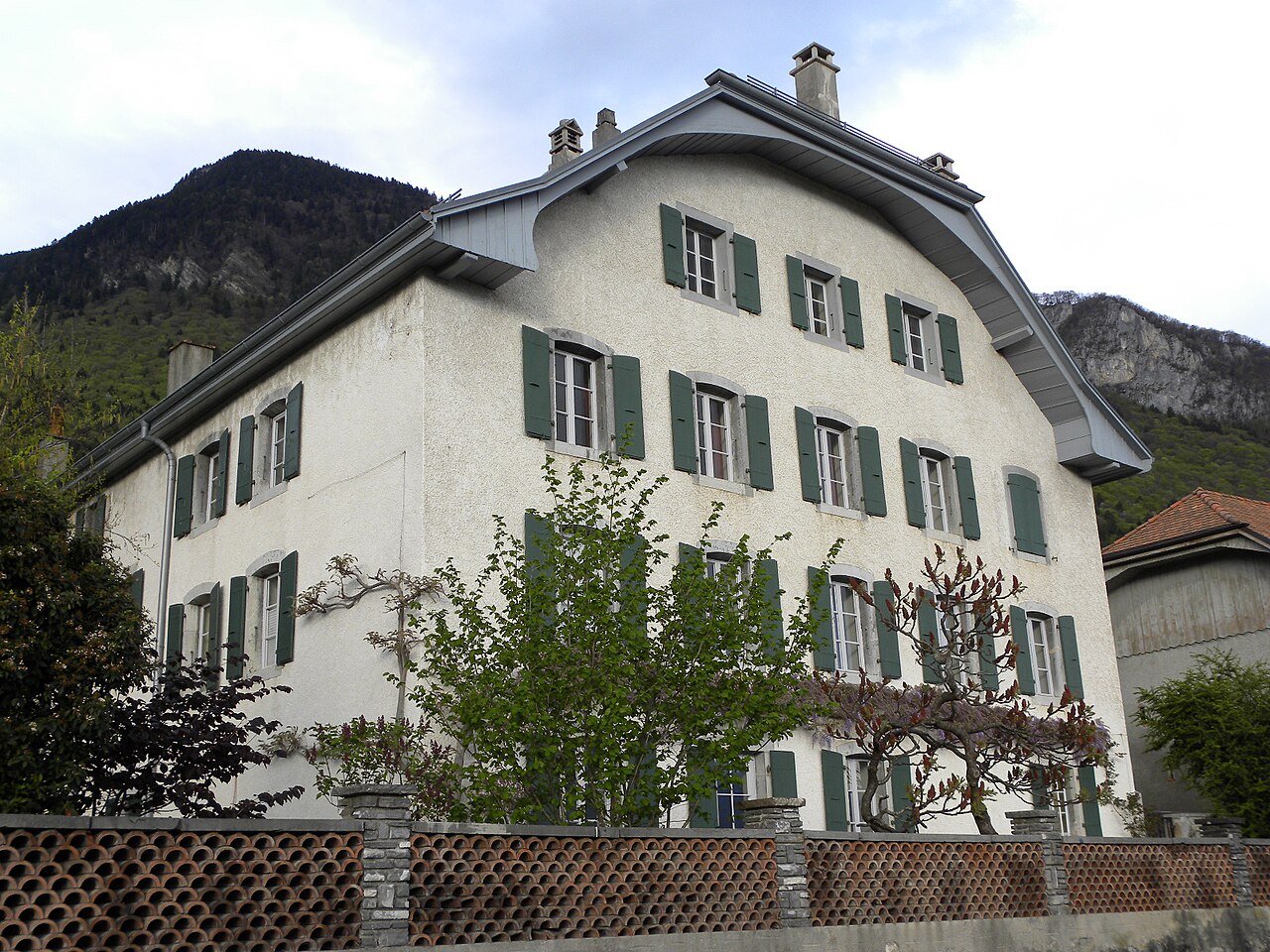
The municipality lies in the Rhône valley's foothills, with a mix of level fields, orchards and steeper terraces planted with vines. Wooded areas and small streams punctuate the terrain, while vantage points provide broad views toward the Alps and the surrounding valley. The landscape reflects long-standing agricultural use and local efforts to balance cultivation with nature and recreation.
History and development
Yvorne has medieval origins and developed historically as an agrarian community. Over time it retained a strong emphasis on farming and viticulture even as transport improvements and wider economic changes brought new residents and modest growth. Many local traditions and built features, such as older farmhouses and the village church, testify to its long rural history.
Economy, culture and wine
Viticulture is central to Yvorne's identity: vineyards shape both the economy and the scenery, and wine production remains an important local activity. Agriculture, small artisans and service businesses complement the wine sector. Seasonal events, village fêtes and harvest-related activities are part of communal life and cultural expression.
Transport, facilities and recreation
The municipality is connected by regional roads and public transport to nearby towns, making shops, schools and rail links accessible. Outdoor recreation is popular: walking trails, viewpoints and local routes through vineyards attract residents and visitors. Simple cultural landmarks — a village church, traditional wine cellars and historic houses — contribute to the local character.
Administration and practical information
- Local government: Yvorne operates within the cantonal administrative framework and cooperates with neighbouring communes for services and planning.
- Visiting and living: For up-to-date practical details on services, events or regulations consult municipal and cantonal sources linked to the community.
- Identity: The commune is widely recognised for countryside living, viticulture and easy access to alpine foothills for outdoor activities.
Further information may be found through official municipal channels and cantonal guides that cover transport schedules, cultural programming and visitor facilities. Local residents and producers continue to shape Yvorne's balance of traditional agriculture and contemporary rural life.
Related articles
Author
AlegsaOnline.com Yvorne — municipality in the Aigle district, canton of Vaud, Switzerland Leandro Alegsa
URL: https://en.alegsaonline.com/art/110306
Sources
- bfs.admin.ch : "Arealstatistik Standard - Gemeinden nach 4 Hauptbereichen"
- bfs.admin.ch : "Ständige Wohnbevölkerung nach Staatsangehörigkeitskategorie Geschlecht und Gemeinde; Provisorische Jahresergebnisse; 2018"
- commons.wikimedia.org : Yvorne