
Bethel, Alaska
Bethel is the largest community in western Alaska, a river and air hub on the Kuskokwim River in the Yukon-Kuskokwim Delta that serves as a regional center for services, culture and subsistence life.
Overview
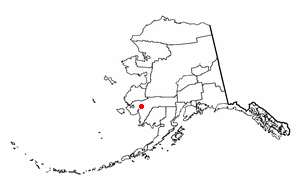
Bethel is a regional hub in southwestern Alaska located on the Kuskokwim River within the Yukon–Kuskokwim Delta. It is the largest population center in western Alaska and acts as the principal commercial, medical and educational center for numerous nearby villages. Because there are no roads connecting Bethel to Alaska’s highway network, the community is reached primarily by air and by river.
Image gallery
5 Images


Geography and environment
Bethel sits on low-lying tundra and wetlands typical of the Yukon–Kuskokwim Delta, an area noted for rich birdlife and extensive waterways. The surrounding landscape is a patchwork of streams, ponds and muskeg, with seasonal flooding and frozen conditions in winter. The nearby federally managed refuge lands provide important habitat for migratory waterfowl and other wildlife.
History and culture
The site developed in the late 19th and early 20th centuries as trade and mission activity increased between Alaska Native communities and non-native traders and missionaries. Bethel today retains a strong Alaska Native presence, especially Yup'ik culture and language, which shape local arts, subsistence practices and community life. Cultural institutions, gatherings and traditional seasonal activities remain central to identity and social life.
Economy, services and institutions
Bethel functions as a service center for the surrounding region. Key roles include:
- Healthcare: regional clinics and facilities that serve many villages.
- Education: primary and secondary schools and community college programs.
- Commerce: a river port and local businesses that supply groceries, fuel and goods not available in smaller settlements.
- Subsistence and commercial fishing: local and seasonal harvests of salmon and other fish remain important.
Transportation
With no overland connection to the statewide road network, Bethel relies on a small airport, air taxi services and the Kuskokwim River. In summer, rivers and seasonal barges move freight and passengers; in winter, frozen rivers and snowmachine trails become local routes. This transportation pattern shapes costs, logistics and daily life for residents.
Notable facts and distinctions
As the principal hub of the Yukon–Kuskokwim region, Bethel plays a vital role in preserving cultural tradition while providing modern services. Its location in a vast delta makes it important for wildlife and subsistence harvests, and its mix of traditional and contemporary economies illustrates the adaptations of remote Arctic communities to changing environmental and economic conditions.
Related articles
Author
AlegsaOnline.com Bethel, Alaska Leandro Alegsa
URL: https://en.alegsaonline.com/art/11012
Sources
- cityofbethel.org : "Bethel City Council Member List."
- commerce.state.ak.us : Community Information Summaries: Bethel. · web.archive.org
- www2.census.gov : "2016 U.S. Gazetteer Files"