
Yo-yo: history, mechanics, tricks and modern practice
Concise encyclopedia entry on the yo-yo: its design, history, common tricks, materials and distinctions between toy, skill toy, and competitive practice.
Overview
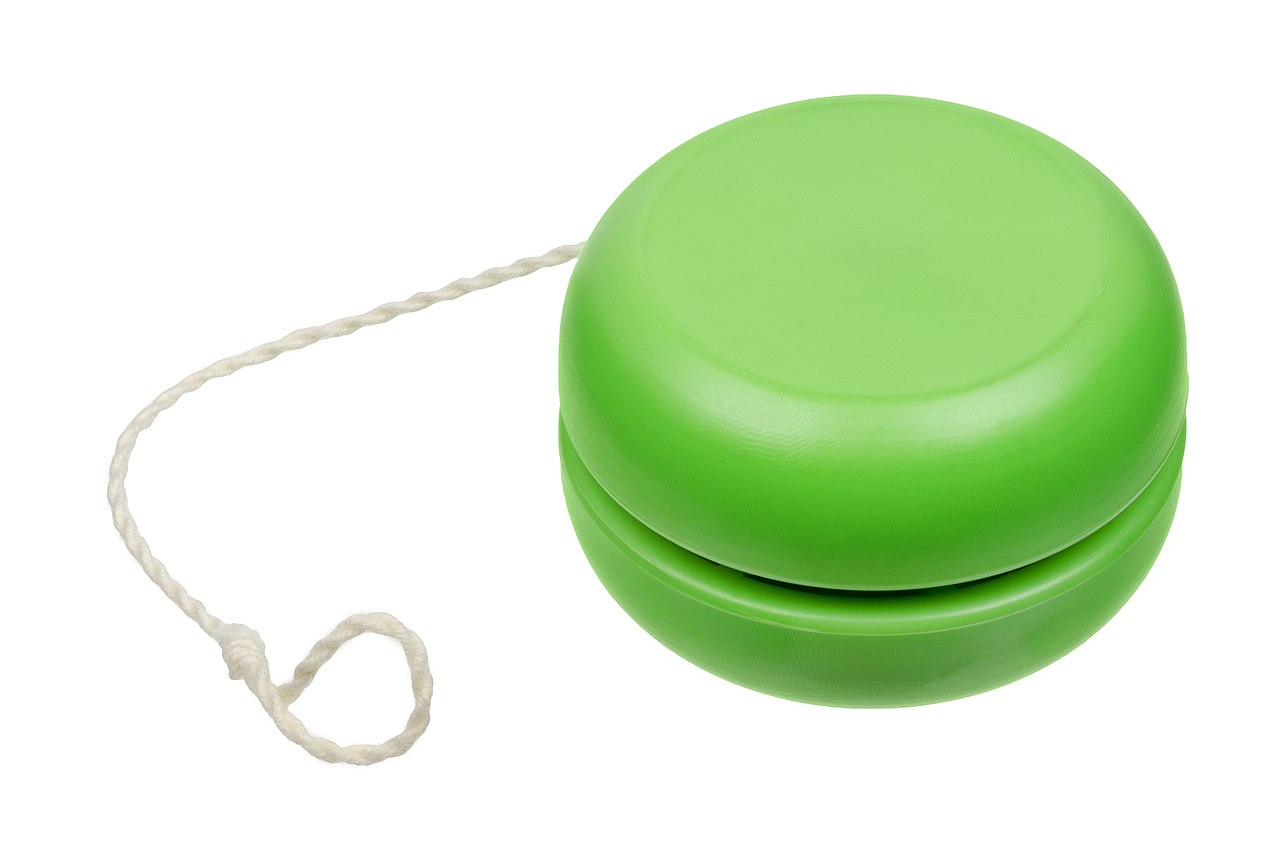
The yo-yo is a simple yet versatile skill toy consisting of a spool and a length of string. The player holds the free end of the string, traditionally looped around a finger, and throws the yo-yo so that it unwinds and then rewinds as it returns. That basic down-and-up action supports a wide range of motions and tricks, from the fundamental "sleeper" to elaborate freestyle maneuvers. For a general introduction see more on yo-yos.
Image gallery
10 Images



Parts and characteristics
A modern yo-yo typically has two halves joined by an axle, with the string wrapped in the gap between them. Key components and variations include:
- Body material: wood, plastic, and metal each affect weight, feel, and durability.
- Axle and response: fixed axles cause the yo-yo to return more readily; ball bearings or transaxles allow long spin times and enable advanced string tricks.
- String: cotton or blended synthetic strings differ in thickness, durability, and friction; see string types for details.
- Shape: classic rounded rims, butterfly (flare) shapes for string tricks, and rim-weighted designs for longer spin.
Origins and historical development
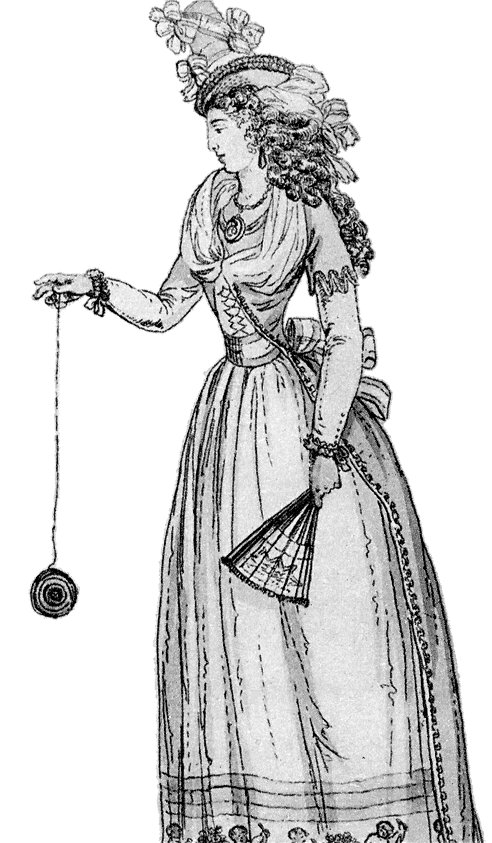
Simple spool toys date back centuries and appear in archaeological records and folk traditions in different regions. The instrument resurfaced as a popular toy in many cultures before becoming widely commercialized in the early 20th century. Its global popularity grew as manufacturers developed standardized designs and as performers and hobbyists created an expanding repertoire of tricks. The toy also evolved from a casual pastime into a competitive activity and a subject of technical innovation.
Common tricks and styles
The "sleeper" is the foundational skill: a strong downward throw that leaves the yo-yo spinning at the end of the string. From that base, players perform moves such as:
- Walk the dog — the yo-yo rolls along the ground while spinning.
- Rock the baby — creating a triangular cradle of string and rocking the yo-yo within it.
- String mounts and slack tricks — manipulating slacked sections of string to form loops and catches.
- Horizontal and looping patterns — using different orientations or multiple yo-yos.
Competitive play is organized around several styles (often labeled by number) that emphasize single-yoyo string tricks, looping, multiple yoyos, offstring (yo-yo not attached to finger), and counterweight play. These categories guide contest rules and judging.
Uses, culture and notable distinctions
Beyond casual play, the yo-yo is valued as a skill toy that blends hand-eye coordination, timing, and creativity. It appears in street performance, instructional programs for youth, and organized competitions. A key distinction exists between "responsive" yo-yos that return to the hand with a tug and "unresponsive" designs that require a bind or trick to return — a difference that shapes what tricks are practicable. The toy's materials and mechanisms have also led to a range of price points, from inexpensive wooden examples to precision metal models used by hobbyists and competitors.
Physics and safety
The yo-yo's motion is governed by basic rotational dynamics: angular momentum and torque determine spin duration and behavior during tricks. For a brief explanation of the underlying mechanics see basic physics. Players should exercise ordinary safety: avoid throwing toward people or fragile objects, check strings for fraying, and select an appropriate yo-yo design for beginners (responsive models help new players regain control more easily).
Whether regarded as a child's toy, a tool for developing manual skill, or a competitive sport accessory, the yo-yo remains a compact example of how a simple mechanism can support creativity, technical development, and a global community of practitioners.
Questions and answers
Q: What is a yo-yo?
A: A yo-yo is a toy made of a length of string tied at one end to a flat spool.
Q: How is the yo-yo used?
A: The yo-yo is used by holding the free end of the string and pulling it so as to cause the spool to turn while it is hanging in mid-air, either winding or unwinding the string.
Q: When did the yo-yo become popular?
A: The yo-yo first became popular in the 1920s.
Q: What is the simplest play with a yo-yo?
A: In the simplest play, the string is wound on the spool by hand. The yo-yo is then thrown downwards, so that it goes down and unwinds the string. It then (by inertia) climbs back, winding the string up, and is finally grabbed, ready to be thrown again.
Q: What is "walk the dog" on a yo-yo?
A: "Walk the dog" is one of the most famous tricks on the yo-yo. It is done by throwing a strong sleeper and allowing the yo-yo to roll across the floor.
Q: What are some historical names for the yo-yo?
A: English historical names for the yo-yo include bandalore and quiz. French historical terms include bandalore, incroyable, de Coblenz, emigrette, and joujou de Normandie (joujou meaning little toy).
Q: How many trick plays exist with a yo-yo?
A: Many other trick plays exist with a yo-yo, most based on the basic "sleeper" trick.
Author
AlegsaOnline.com Yo-yo: history, mechanics, tricks and modern practice Leandro Alegsa
URL: https://en.alegsaonline.com/art/109879
Sources
- entertainment.howstuffworks.com : Easy Yo-Yo Tricks
- entertainment.howstuffworks.com : Advanced Yo-Yo Tricks for Kids
- nationalyoyo.org : "National Yo-Yo Museum, California"
- jenniferbaybrook.com : "JenniferBaybrook.Com"
- spintastics.com : History Of The Yo-Yo