
Yeovil, Somerset: overview, history, industry and landmarks
Concise guide to Yeovil — a market town in Somerset: origins by the River Yeo, industrial development, transport links, notable sites and its role in South Somerset.
Overview
Yeovil is a market town in the county commonly known as Somerset, located in the largely rural region of South West England. It serves as a local centre for shopping, education and services within the South Somerset district and sits beside smaller villages and suburban areas. The name of the town derives from the nearby River Yeo; historically the settlement grew from a riverside village into the present urban area.
Image gallery
10 Images




Characteristics and layout
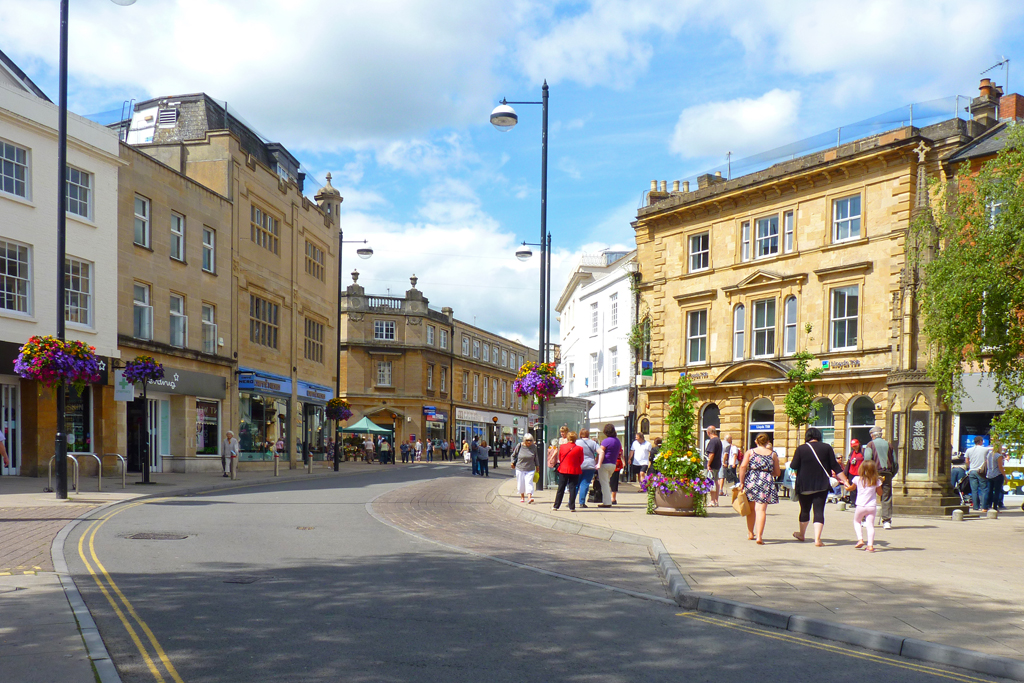
Yeovil's built environment mixes a traditional market-town core with industrial estates, residential suburbs and open spaces. The old centre contains shops, civic buildings and cultural venues; surrounding districts include newer housing and light-industrial areas. The river valley and nearby hills give the town a varied local landscape and several parks and green corridors link neighbourhoods.
History
The place that became Yeovil originated as a small settlement by the River Yeo, a name that evolved from a phrase meaning "Yeo village". Over centuries it developed a market function and local crafts. In the 18th and 19th centuries the town gained reputation for glove-making and related light industry. Later industrial growth and improved transport connections reshaped its economy and population.
Economy, institutions and culture
Yeovil has a mixed economy. Historically dominated by glove manufacture and textiles, it later became a centre for aerospace and helicopter-related engineering. The town supports retail, healthcare and education services, and is home to community organisations and sports clubs, including a well-known local football club nicknamed for the town's gloving heritage.
Transport and notable sites
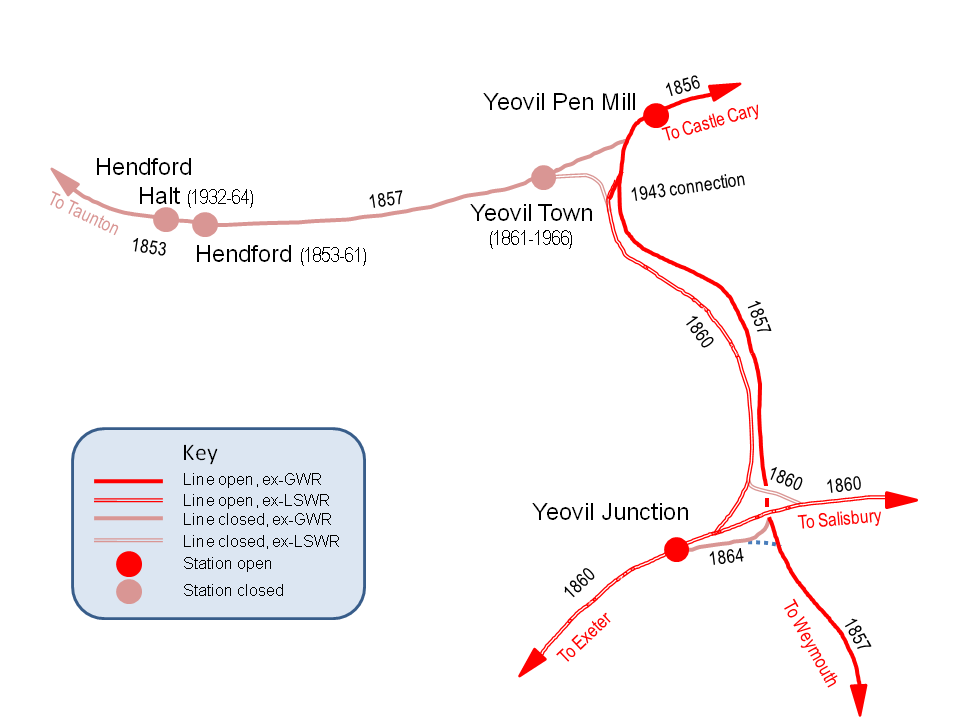
- Transport: regional road links and two railway stations provide connections to surrounding towns.
- Defence and aviation: an air station and associated museums are close by and attract visitors.
- Attractions: parks, historic streets, local markets and cultural venues form the town's public life.
As a focal point for services in its part of Somerset, Yeovil continues to balance conservation of local character with economic change. The town's industrial heritage, riverside setting and role as a service centre help define its importance within the South Somerset district and the wider county.
Related articles
Author
AlegsaOnline.com Yeovil, Somerset: overview, history, industry and landmarks Leandro Alegsa
URL: https://en.alegsaonline.com/art/109800