
Yaroslavl - Historic Volga River City and Administrative Center of Yaroslavl Oblast
Yaroslavl, founded c.1010 on the Volga, is the administrative center of Yaroslavl Oblast. Its UNESCO-listed historic core showcases 17th–18th-century churches, museums and riverfront architecture.
Yaroslavl is a city in Russia, located on the banks of the Volga River. It serves as the administrative centre and the largest city of Yaroslavl Oblast. The settlement traces its origins to 1010 and today is an important regional hub with a long urban history. Its historic core, noted for well-preserved churches and riverside ensembles, has been designated a World Heritage Site.
Image gallery
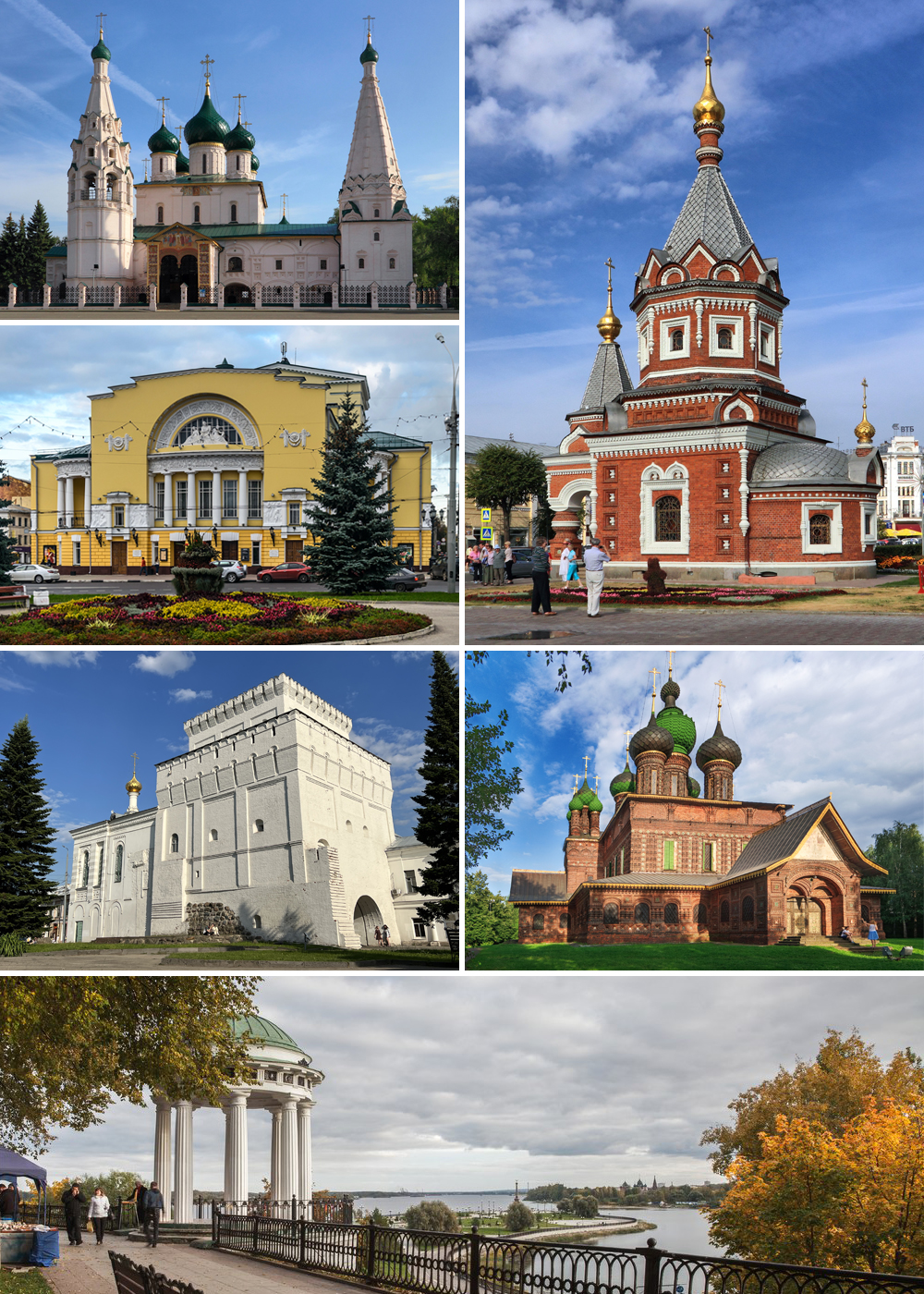
10 Images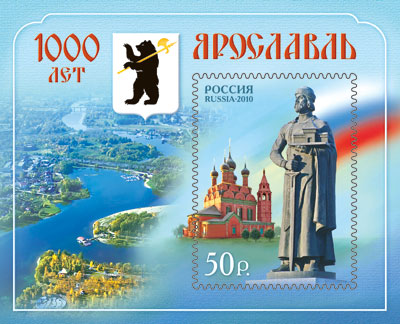


History
According to tradition, the town was established in the early eleventh century during the rule of Yaroslav the Wise. Over the medieval and early modern periods it grew as a trading and administrative centre on the Volga, developing a rich architectural legacy of monasteries, cathedrals and merchant houses. The surviving churches and civic buildings reflect several centuries of Russian styles and local craft traditions.
Historic centre and culture
The city's centre contains many structures from the 17th and 18th centuries, alongside later monuments. These historic streets and waterfront views are the reason the urban core received international recognition for its cultural value. Yaroslavl is also part of the group of towns known as the Golden Ring, a circuit of historically significant cities northeast of Moscow that attract cultural tourism.
Modern Yaroslavl
Today Yaroslavl functions as a regional administrative, educational and industrial centre. It has theatres, museums, universities and river-port facilities that link it to other Volga cities. While preserving its heritage, the city continues to develop municipal services and transport connections with the wider Moscow region and the rest of Russia.
Related articles
Author
AlegsaOnline.com Yaroslavl - Historic Volga River City and Administrative Center of Yaroslavl Oblast Leandro Alegsa
URL: https://en.alegsaonline.com/art/109656
Sources
- city-yar.ru : История
- city-yar.ru : Устав города Ярославля
- ria.ru : Экс-глава Химок Слепцов стал исполняющим обязанности мэра Ярославля
- city-yar.ru : city-yar.ru
- gks.ru : "Всероссийская перепись населения 2010 года. Том 1[[Category:Articles containing Russian-language text]]"
- gks.ru : "26. Численность постоянного населения Российской Федерации по муниципальным образованиям на 1 января 2018 года"
- pravo.gov.ru : "Об исчислении времени"
- info.russianpost.ru : "List of postal codes"
- mobile.beeline.ru : Коды областных центров