
Yang Shangkun: Chinese revolutionary, military leader and president (1907–1998)
Yang Shangkun (1907–1998) was a Chinese Communist revolutionary and senior leader who served as President of the PRC (1988–1993) and held influential military and party roles, notably during the 1989 crisis.
Yang Shangkun (3 August 1907 – 14 September 1998) was a veteran Chinese Communist revolutionary who rose to become one of the People's Republic of China's most prominent leaders in the late 20th century. He combined political and military experience, served as president from 1988 to 1993, and was a key figure in the party-state dynamics of the 1980s and early 1990s.
Image gallery
5 Images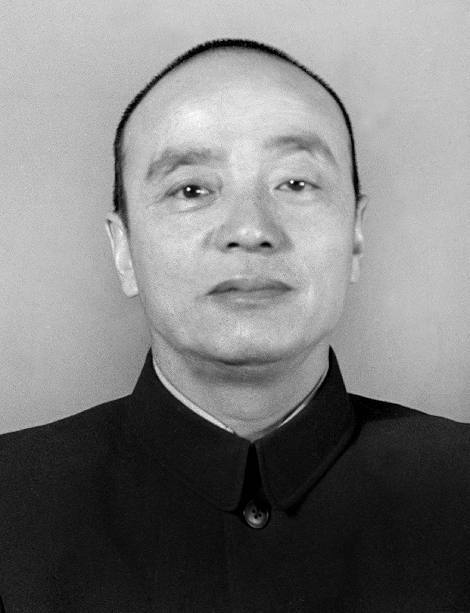


Early years and revolutionary career
Yang joined the Chinese Communist movement in his youth and took part in the decades-long struggle that produced the People's Republic in 1949. Like many of his generation, he served in both political and administrative posts in areas under Communist control. During the upheavals of the 1950s–1970s he experienced setbacks and periods of political marginalization, including persecution during the Cultural Revolution; he was later rehabilitated.
Rise to power and roles
After rehabilitation Yang returned to important party and military responsibilities. He became known as a trusted intermediary between civilian leadership and the People's Liberation Army, exercising influence over military personnel and communications. His position bridged party, state and military institutions, and he counted among the senior leaders who shaped policy during the reform era under Deng Xiaoping.
Presidency and the 1989 crisis
Yang served as President of the People's Republic of China from 1988 to 1993. In 1989, during the political crisis centered on Beijing, he and other senior officials played decisive roles in the government's response. Reports and historical studies note his involvement in coordinating military actions and asserting central authority; his family ties to senior officers in the PLA also contributed to perceptions of his influence. His presidency coincided with debates over economic reform, political stability and the role of the military.
Later life and legacy
Yang retired from frontline politics in the early 1990s and died in 1998. Historians view him as a representative of an older revolutionary generation who adapted to post-Mao realities and who used their wartime and institutional experience to shape decisions in a period of transition. His career is often discussed in studies of civil-military relations and the conservative-reform balance within the Communist Party.
Further reading
Related articles
Author
AlegsaOnline.com Yang Shangkun: Chinese revolutionary, military leader and president (1907–1998) Leandro Alegsa
URL: https://en.alegsaonline.com/art/109608