
XTC (English rock band)
XTC, an English rock group formed in the mid-1970s, blended new wave, pop and art-rock across 13 studio albums; noted for studio creativity, two U.S. hits and a decision to stop touring after 1982.
Overview
XTC was a prominent English band that emerged in the mid-1970s and became associated with the era's new wave and post‑punk scenes. They combined catchy pop melodies with experimental arrangements and literate lyrics, moving over time from guitar-driven rock toward richly produced, studio-centric records. While their greatest popularity was in the United Kingdom, they also found pockets of attention in the United States and elsewhere.
Image gallery
10 Images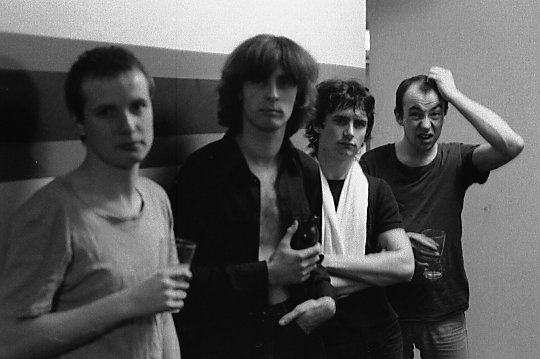


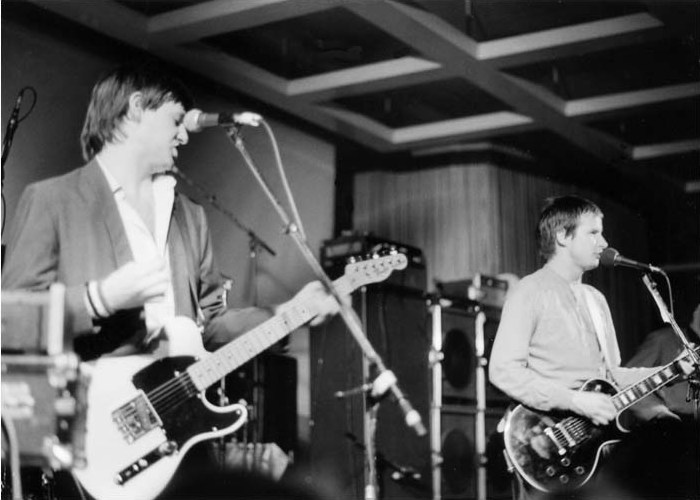


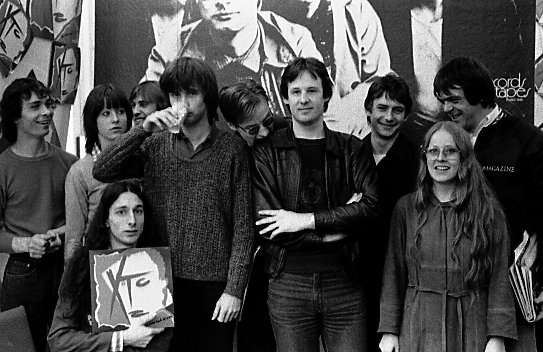
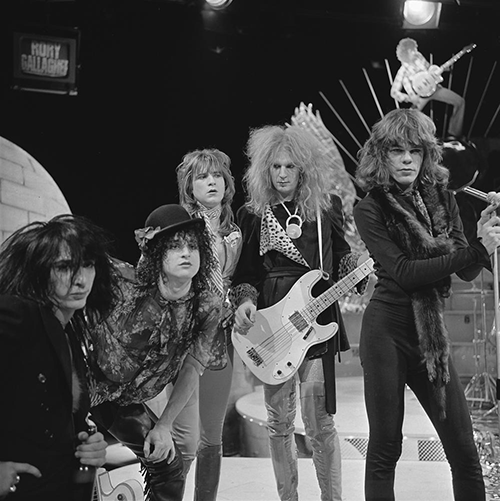
Sound and songwriting
Musically, XTC mixed jangle-pop, power-pop and art-pop sensibilities. Their songs range from direct, radio-friendly singles to complex, layered compositions that take advantage of studio technology. The group's main songwriters were the guitarist-singer Andy Partridge and bassist Colin Moulding, whose contrasting approaches—Partridge's eccentric, observational lyrics and Moulding's economical pop sense—helped define the band's variety and depth.
Members and lineup
- Andy Partridge – guitar and principal vocalist.
- Colin Moulding – bass and co-lead vocalist.
- Barry Andrews – keyboards (early years).
- Terry Chambers – drums (early and classic-era lineup).
Other musicians, most notably guitarist and multi-instrumentalist Dave Gregory, joined later and contributed to the group's studio work and evolving sound. Lineup changes influenced the move from a conventional touring band to a studio-focused outfit.
Career, albums and hits
XTC released thirteen studio albums over their active years, producing a string of well-known songs such as "Making Plans for Nigel," "Senses Working Overtime," "Dear God," and "The Mayor of Simpleton." Several singles became emblematic of their different creative phases: earlier records captured a brisk, angular new wave energy, while later albums emphasized ornate arrangements and chamber-pop textures. Their last full-length studio album appeared in 2000.
Live performance and later years
A defining aspect of XTC's history is their withdrawal from live touring after 1982. Frontman Andy Partridge experienced severe stage fright and anxiety about performing before large audiences; combined with other personal and business issues, the band thereafter concentrated on studio recording and production. They remained active through the 1980s and 1990s in the studio but effectively ceased as a live act. The group dissolved in the mid-2000s, and members have since pursued solo and collaborative projects.
Legacy and notable facts
XTC is respected for its songwriting craft, inventive production and influence on later alternative and indie pop artists. Their willingness to abandon the traditional touring model in favor of meticulous studio work made them unusual among contemporaries and helped shape a legacy defined by recorded rather than live achievement. For readers wanting to explore more, contemporary overviews and discographies offer track-by-track accounts and critical context; for basic background see references linked to the band's English origins and rock classification via rock resources.
Notable singles and recommended starting points for newcomers include selections from their late 1970s and 1980s output that best illustrate their evolution from punchy new wave to elaborate pop arrangements.
Author
AlegsaOnline.com XTC (English rock band) Leandro Alegsa
URL: https://en.alegsaonline.com/art/109513