
Wynigen — municipality in the Emmental region of Canton Bern, Switzerland
Wynigen is a rural German‑speaking municipality in the Emmental district of the canton of Bern, Switzerland, known for rolling farmland, traditional farms and local community life.
Overview
Wynigen is a municipality in the Emmental administrative district of the Emmental area, within the canton of Bern in Switzerland. The community has a predominantly German‑speaking population and a rural character typical of the Emmental: patchwork fields, meadows, forested slopes and dispersed farm hamlets. Local life centres on agriculture, small businesses and communal institutions.
Image gallery
10 Images




Geography and character
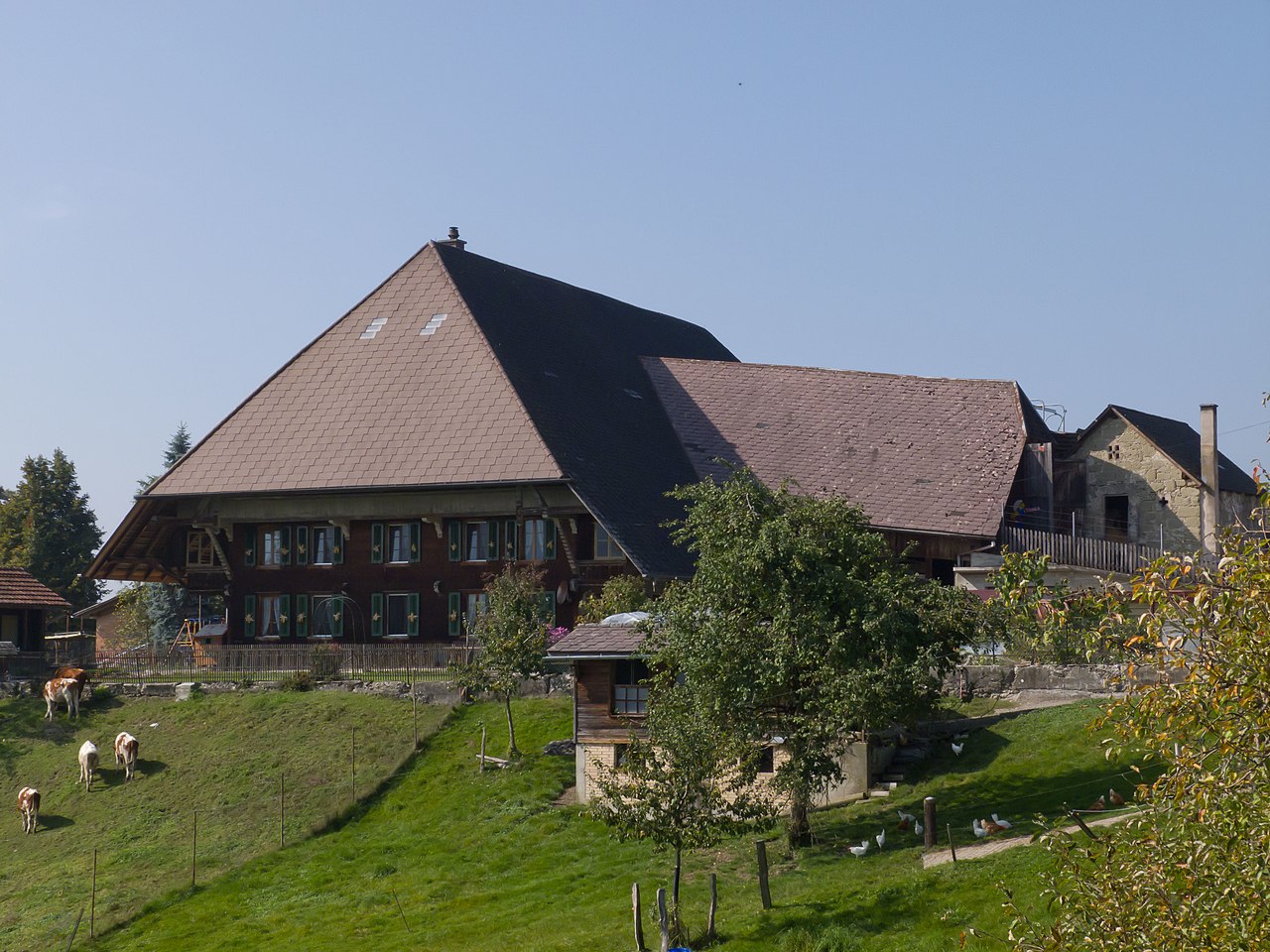
Wynigen occupies a landscape of rolling hills and valleys that support mixed farming and pasture. The countryside is valued for its scenic views, traditional timber and stone farmhouses, and hedged fields. Transport is provided by regional roads and public services linking residents to nearby towns and the city of Bern; local infrastructure supports schools, community facilities and basic services.
History and built heritage
The settlement pattern in and around Wynigen has medieval roots and developed over centuries around farming and forestry. Architectural features commonly seen include village churches, period farmhouses and estate barns. Many buildings reflect vernacular Swiss rural styles and the long continuity of Alpine‑foothill agriculture under the administration of the canton of Bern.
Economy, culture and community life
The local economy is centred on agriculture (including dairy and cattle), forestry, trades and small enterprises. Cultural life is maintained through volunteer associations, local festivals and traditions tied to the agricultural calendar. Wynigen shares regional identity with the Emmental, an area internationally recognised for its cheeses and pastoral landscapes.
Points of interest and administration
- Community and civic services administered at municipal level — see the municipality for local governance information.
- Outdoor recreation: walking, cycling and countryside routes that illustrate rural Emmental life.
- Proximity to cantonal institutions in Bern and connections across the Emmental region.
Wynigen is a representative example of small‑scale Swiss rural communities, balancing agricultural heritage, local governance and access to broader regional services. For official details on administration, events and services consult the municipal pages and cantonal resources linked above.
Related articles
Author
AlegsaOnline.com Wynigen — municipality in the Emmental region of Canton Bern, Switzerland Leandro Alegsa
URL: https://en.alegsaonline.com/art/109380
Sources
- bfs.admin.ch : "Arealstatistik Standard - Gemeinden nach 4 Hauptbereichen"
- bfs.admin.ch : "Ständige Wohnbevölkerung nach Staatsangehörigkeitskategorie Geschlecht und Gemeinde; Provisorische Jahresergebnisse; 2018"