
Wyre: borough and district in Lancashire, England
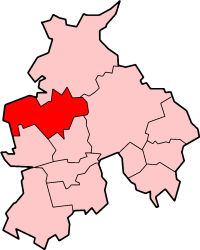
Wyre is a local government district and borough in Lancashire, northwest England, named for the River Wyre. The district includes coastal towns, rural parishes and has a mix of maritime, agricultural and service activities.
Wyre is a local government district and borough in the county of Lancashire, in northwest England. The borough takes its name from the River Wyre, which flows through the area to the Irish Sea. The administrative centre is the town of Poulton-le-Fylde, and the district was created in local government reorganisation in 1974, later gaining borough status as a borough.
Image gallery
10 Images




Geography and settlements
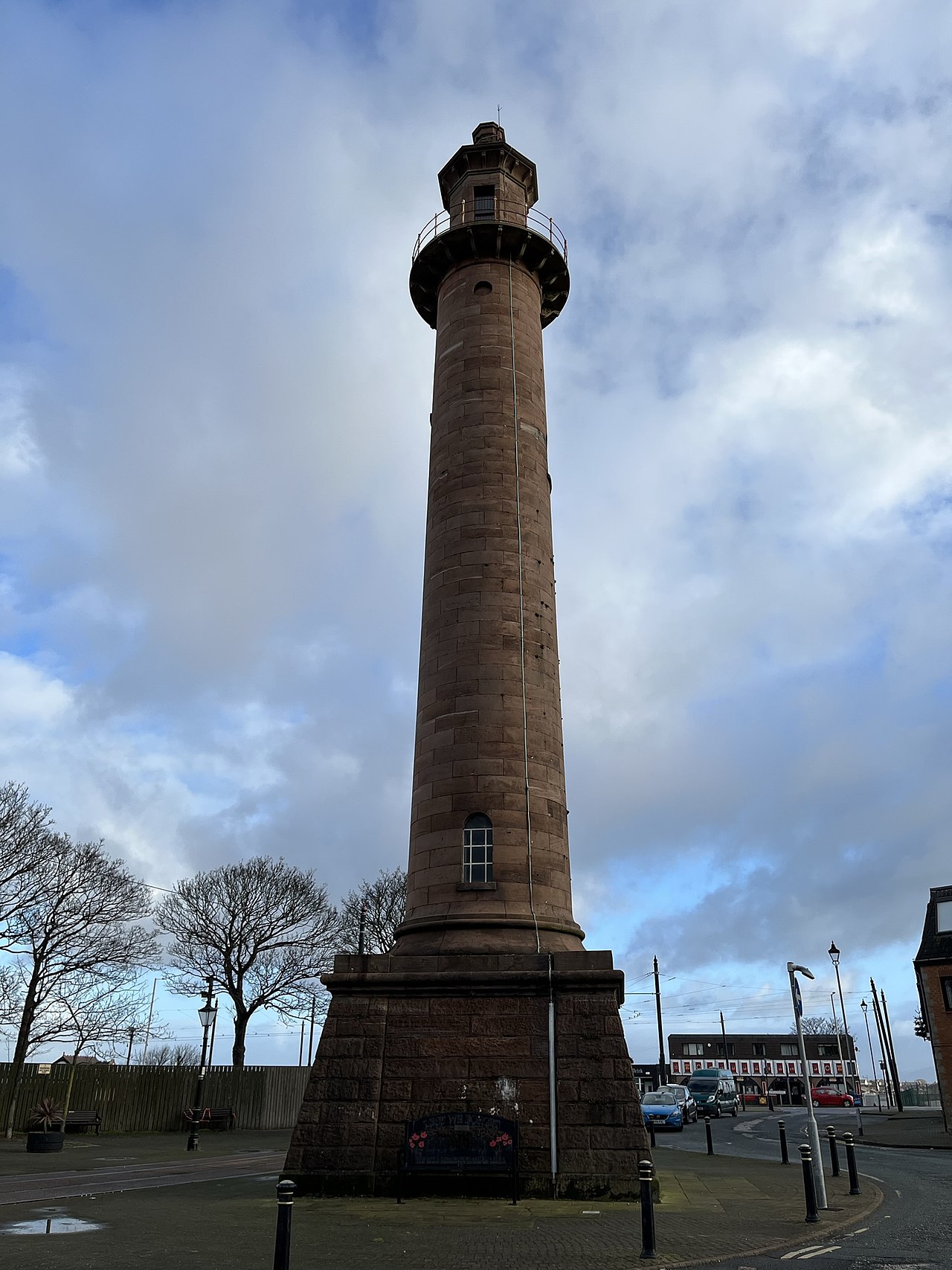
Wyre occupies a varied landscape of coastal plains, estuary and inland countryside. It includes a number of towns and villages, from coastal Fleetwood and Thornton-Cleveleys to market towns and rural parishes, with agricultural land, salt marshes and sections of the Wyre estuary notable for wildlife and tidal flats. The district borders Morecambe Bay and contains important coastal frontage as well as inland low hills and farmland.
History and development
The area's history combines maritime, agricultural and market-town traditions. Fishing and shipbuilding were once important on the coast, while inland settlements served local farming communities. The modern district was assembled in 1974 from earlier urban and rural local authorities; since then its identity has mixed conservation of natural and historic sites with the needs of contemporary housing and commerce.
Government, economy and services
The borough council, based in Poulton-le-Fylde, oversees planning, housing, waste and leisure services. The local economy draws on several sectors: coastal industry and port-related services, tourism tied to beaches and heritage, agriculture on inland land, and small-scale manufacturing and retail. Transport links include regional roads and rail connections serving commuter and coastal traffic.
Places of interest and environment
- Coastal shorelines and the Wyre estuary, important for birds and intertidal habitats.
- Historic market towns and local museums that reflect the area's maritime and agricultural past.
- Walking routes and country parks that connect villages, farmland and coastal scenery.
Wyre is often highlighted for the contrast between its active coastal communities and quieter rural hinterland. Its combination of estuarine habitat, seaside settlements and market towns makes it typical of parts of northwest England where natural environment and local history remain prominent in planning and conservation decisions.
For further administrative or visitor information consult official local government and tourism sources: the borough council and regional guides provide up‑to‑date details on services, conservation areas and events. See also local references to the district, county resources via Lancashire channels, national context at England portals, borough information pages at the borough site, town details for Poulton-le-Fylde and river-focused conservation material for the River Wyre.
Questions and answers
Q: What is Wyre?
A: Wyre is a local government district located in Lancashire, England.
Q: Where is the town of Poulton-le-Fylde located?
A: Poulton-le-Fylde is a town located in Wyre, Lancashire, England.
Q: What is Wyre named after?
A: Wyre is named after the River Wyre, which runs through the district.
Q: When was Wyre formed?
A: Wyre was formed in 1974.
Q: Is Wyre a borough or a county?
A: Wyre is a borough located within Lancashire, England.
Q: What is the significance of the River Wyre in Wyre's history?
A: The River Wyre is significant because it runs through the district and is the reason why the district is named Wyre.
Q: What is the main town located in Wyre?
A: The main town located in Wyre is Poulton-le-Fylde.
Related articles
Author
AlegsaOnline.com Wyre: borough and district in Lancashire, England Leandro Alegsa
URL: https://en.alegsaonline.com/art/109395
Sources
- neighbourhood.statistics.gov.uk : "Resident Population Estimates by Ethnic Group (Percentages)"