
Wu Bangguo — Chinese politician and former chairman of the NPC Standing Committee
Wu Bangguo (born 12 July 1941) is a retired Chinese politician who served as Chairman of the Standing Committee of the National People's Congress from 2003 to 2013 and was a member of the top party leadership.
Wu Bangguo (吴邦国, born 12 July 1941) is a retired Chinese politician noted for his decade as Chairman of the Standing Committee of the National People's Congress. He led China's highest legislative body from 2003 until 2013, a period during which the legislature grew more active in drafting and enacting laws connected to the country's economic and administrative reforms.
Image gallery
4 Images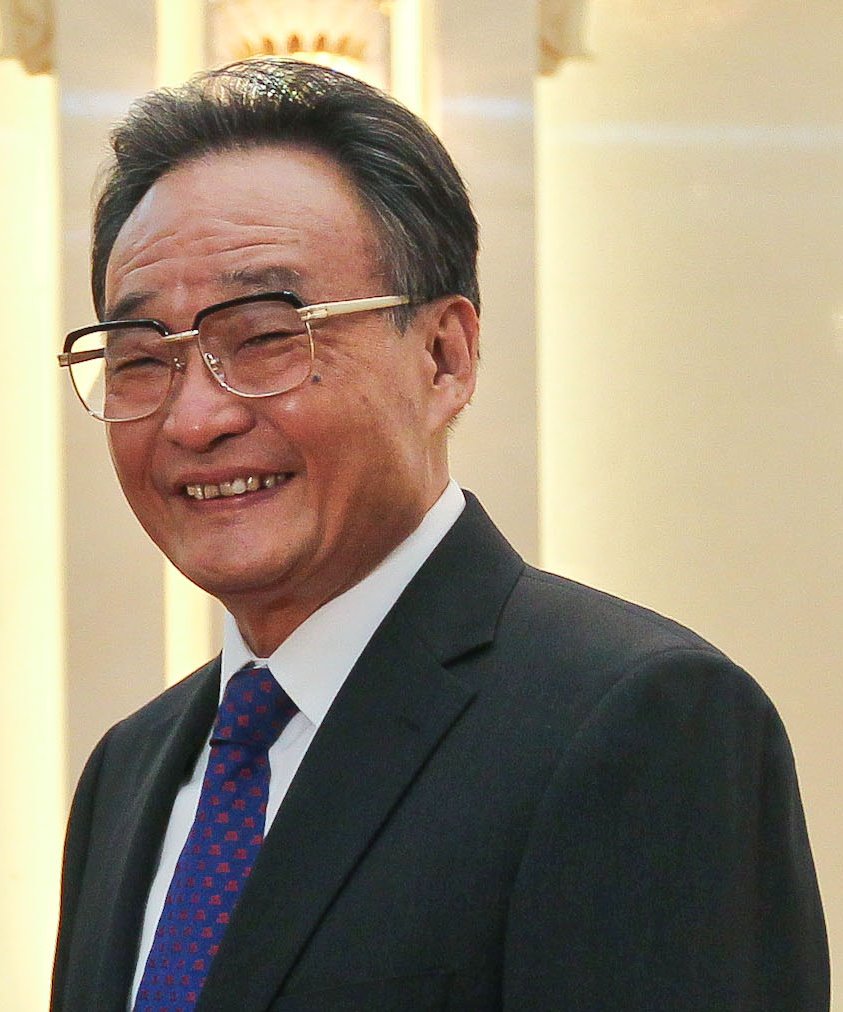


Early career and rise
Wu emerged from the generation of leaders who combined technical or managerial experience with party work. Over several decades he moved from local and regional posts into national-level responsibilities, accumulating a reputation as a cautious, pragmatic administrator. By the early 2000s he had entered the circle of national leadership and assumed responsibilities at the highest levels of the Communist Party and state institutions.
Role as NPC chairman
As head of the NPC Standing Committee, Wu presided over annual sessions of the full legislature and guided the committee that supervises lawmaking and constitutional matters. The position gave him oversight of the legislative process, authority to convene the legislature and influence over the passage of laws that shaped economic regulation, administrative management and judicial procedures. His tenure coincided with efforts to modernize legal frameworks to match the country’s rapid economic changes.
Political stance and influence
Within the party leadership, Wu was regarded as a steady, conservative voice who emphasized institutional stability and the central role of the Communist Party. He served on the party's top leadership body during a period of collective decision-making, and his public statements often stressed continuity, rule-based governance under party leadership, and measured reform rather than rapid political liberalization.
Retirement and legacy
Wu retired from active national office after 2013, leaving a mixed legacy. Supporters note his role in strengthening legislative procedures and promoting legal instruments for economic governance; critics argue he did not advance significant political reform. Nevertheless, his decade-long stewardship of the NPC made him a prominent figure in the institutional development of China's legislature.
Notable facts
- Born 12 July 1941.
- Chairman of the NPC Standing Committee, 2003–2013; presided over lawmaking and supervision functions.
- Member of the party's top leadership during his time as NPC chairman; played a role in collective decision-making.
- For more detailed profiles and coverage, see official and analytical sources on his career and the role of the NPC: Standing Committee of the National People's Congress.
Related articles
Author
AlegsaOnline.com Wu Bangguo — Chinese politician and former chairman of the NPC Standing Committee Leandro Alegsa
URL: https://en.alegsaonline.com/art/109255